While GM labeling is slowly gaining ground, the Non-GMO, GM-Free, and Organic labels are taking US health food markets by storm. Dr Mae Wan Ho reports ...
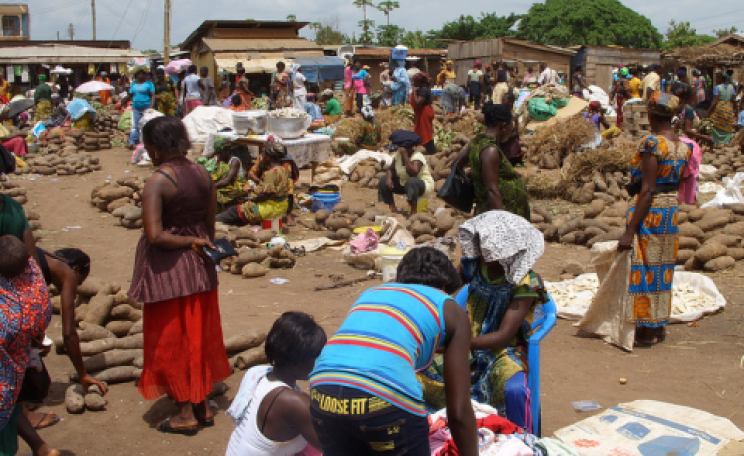
Many contemporary farmers - despite a hostile economic environment - are finding new ways to make ecological farming viable. Colin Tudge and Graham Harvey have tracked down some inspiring examples ...
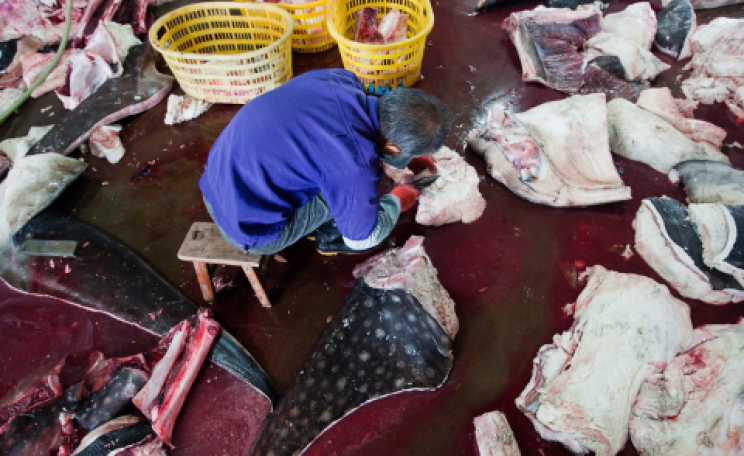
The world's biggest slaughterhouse for endangered whale sharks has been uncovered in southeast China, writes Sophie Morlin-Yron. It's products are being traded across the world in health and cosmetic products.
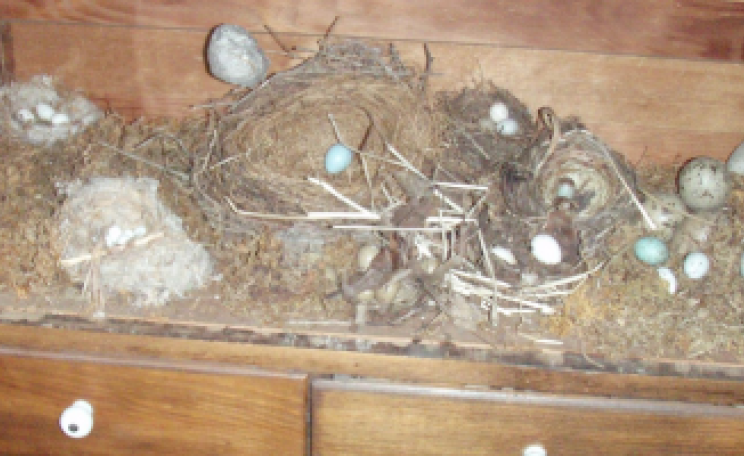
An enquiry which started in the UK in 2009 involving the collecting and trading of wild birds' eggs, has led to the conviction of three Swedish egg collectors - and reveals the international scope of the wild egg trade.
Economics claims to be a science - yet it fails to engage with the world's only real economic actors - people, not theorems. It's time to rethink economics, write David Boyle and Andrew Simms, and ask the revolutionary question: 'What if ... ?'
Scotland's native forest remains in only a few fragments, but Trees For Life is working to restore it, and almost all of the work is done by volunteers. Philip Mason joined their newly expanded long-term volunteer programme for two months last autumn.
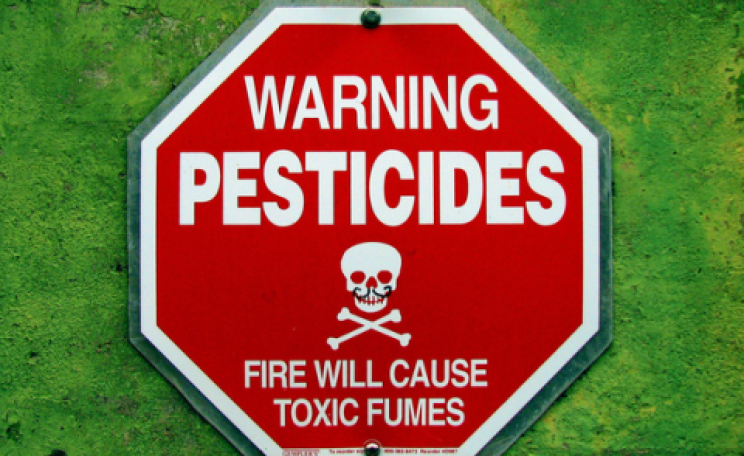
Antibiotics used to protect them from bacterial illnesses ravaging hives are making them die from commonly used pesticides, some of which are used to ward-off bee-killing parasites. Matthew Thompson reports.
The Metropolitan Police invited Rebecca Lush Blum - who organised the 'Turn your back on Thatcher' protest in 2013 - to attend a seminar to discuss police liaison with protesters. She refused in this powerful letter ...
The 'Transparency of Lobbying Bill' is a masterpiece of Orwellian double-speak that will give carte-blanche to politicians and press barons while crippling the ability of civil society to oppose them, writes John Ward.
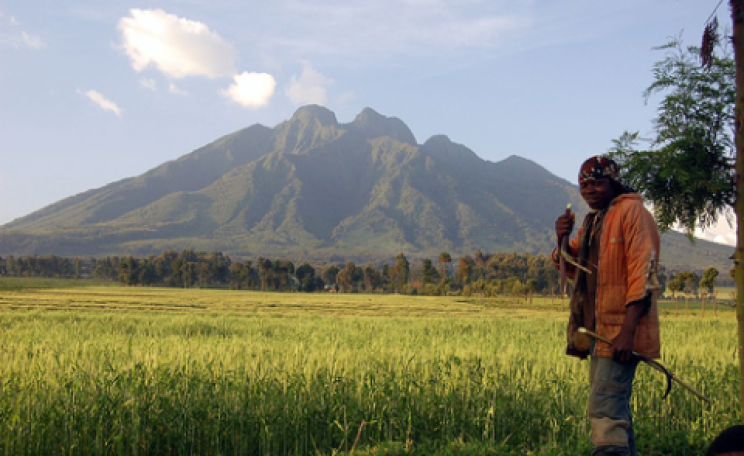
Congolese Police have cracked down on peaceful, legal protests to keep a UK oil company out of Virunga National Park, important for its 200 mountain gorillas.
Uranium particles formed from exploding DU munitions are highly persistent in the environment, scientists have found. They are still hazardous after 30 years in soils or dumps and even their corrosion products are durable minerals.
Royal Dutch Shell CEO Ben van Beurden has announced that the company will not attempt to drill in the Alaskan Arctic in 2014. Greenpeace responds: 'Get out for good!'
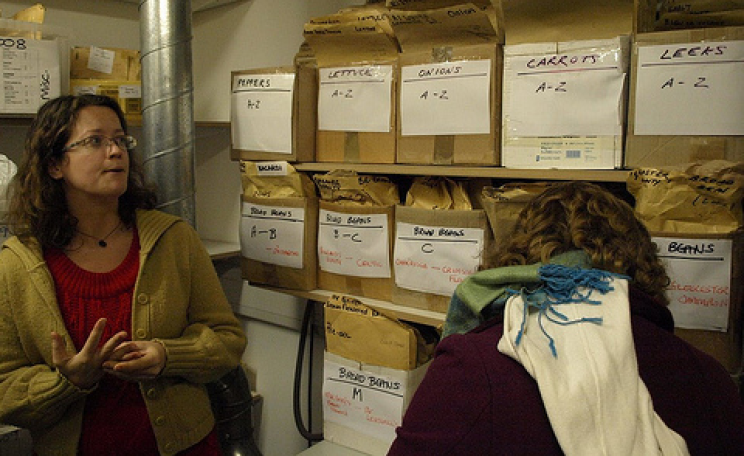
MEPs have voted against a proposed EU sed regulation that would further concentrate the seed market and discriminate against genetically diverse traditional seeds.
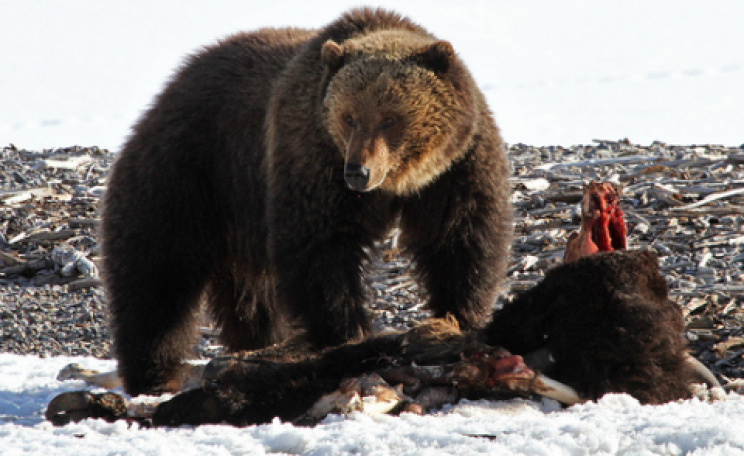
Yellowstone's Grizzly bears are facing multiple threats, writes Anna Taylor - from proposals to remove their protection under the US Endangered Species Act, and shortages of key foods caused by climate change.
To achieve true sustainability, ecological movements across Europe must push for independence from an EU ideologically locked into a neoliberal 'free trade' agenda wedded to endless economic growth, writes David Acunzo.