A growing movement is opposing fossil fuel industry sponsorship of the arts. Pop-up protests and performances denouncing Shell, BP and others are winning the popular vote, writes Chris Garrard.
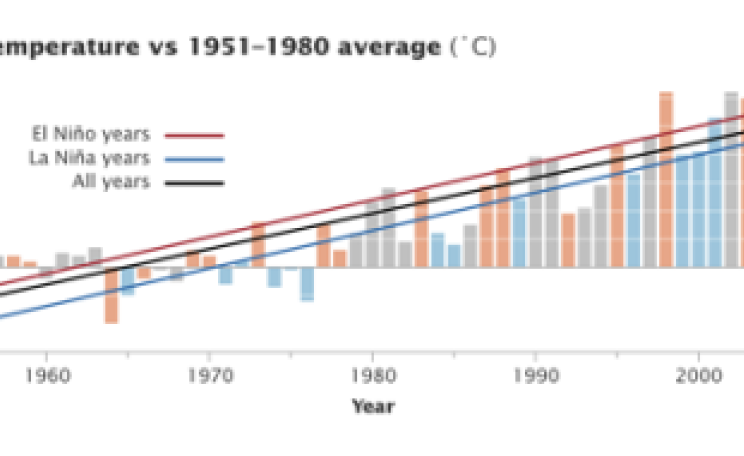
Global temperatures in 2013 sustained the global warming trend, while the year recorded the highest levels of carbon dioxide yet. Sophie Morlin-Yron reports on NASA's latest findings.
To date, only one person has been jailed in connection to the US torture program, writes Alyssa Rohricht - the man who blew the whistle. His sentence must now be quashed and this true American hero set free and compensated.
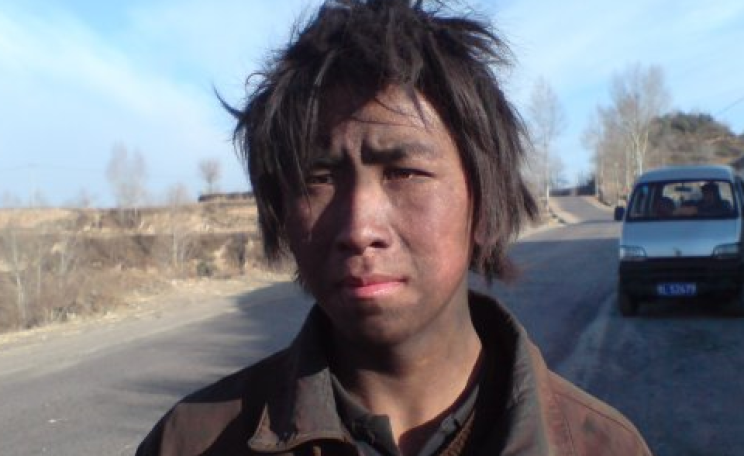
2013 was a bad, bad year for Big Coal, writes Bob Burton. If the coal industry's PR dream is for a stream of exuberant articles selling the story line that coal is clean, cheap and desirable, then 2013 delivered the opposite. 2014 will be even worse.
2013's illegal rhino slaughter in South Africa was the biggest ever. The population of the critically endangered black rhinos is now near the tipping point with only just over 4,000 animals left in the wild.
UK solar entrepreneur tells world leaders at Davos: fracking for shale oil and gas cannot help to avert a global energy crisis - and a global oil crisis could strike in 2015. Alex Kirby reports.
A leaked document reveals plans by the US's Grocery Manufacturers Association to sue the first state that passes a GMO labeling law. Vermont will be the decisive battle-ground, report Katherine Paul and Ronnie Cummins.
Green sea turtles are endangered worldwide. So does the Cayman Islands' sea turtle farm, which raises the sea reptiles as a luxury food, assist their conservation? Quite the reverse, argues Rachel Alcock.
Biological systems offer design strategies for successfully adapting to an age of climate change and resource depletion. Insights from nature will be essential in creating a green and sustainable future for humankind.
Rothamsted Research has applied to field trial GM Camelina plants that make long chain omega-3 fatty acids - an important nutrient currently available only from fish. This poses a dilemma for those who have so far opposed GMO foods.
A landmark court ruling has set back Shell's plans to drill for Arctic oil. It represents a great victory for indigenous peoples and environmental groups - and a serious setback for the oil giant's Arctic expansion.
Protestors will gather on Saturday at the Chinese Embassy in London to call for an end to the global ivory trade, writes Dominic Dyer. But it's not just China - the UK must also pay its part to save Africa's elephants.
The Kenyan government has begun to forcibly evict tens of thousands of Sengwer indigenous people from their ancestral forest lands and burn their homes, food stores and belongings to the ground. The World Bank wrings its hands.
In a landmark decision, the Hong Kong Endangered Species Advisory Committee has voted to destroy almost the entire ivory stockpile, 28 of its estimated 33 tons.
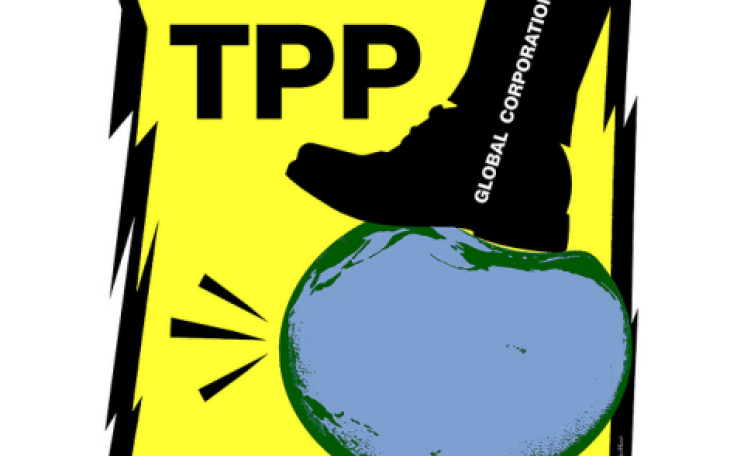
The TPP - Trans-Pacific Partnership - is far more than just a trade agreement. It is a global-scale corporate power grab - anti-people, anti-environment and anti-democratic. And it must be stopped, writes Chris Lang.