How can we bridge the gap between ‘fast food' living and responsible consumption when mass production and a throw-away mindset still dominate the lifestyles of most people? LAURA BRIGGS has some thoughts...
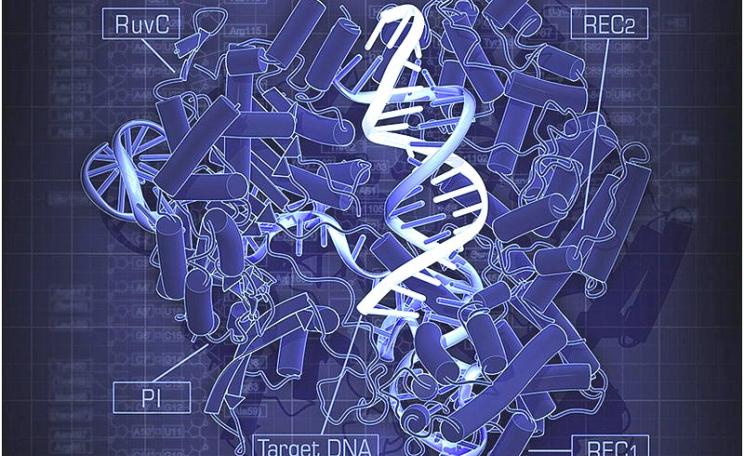
Advocates claim that synthetic biology and the so-called New Breeding Techniques (NBTs) are distinct from genetic engineering (GE), write Helena Paul, Elisabeth Bücking & Ricarda Steinbrecher. In fact synthetic biology and NBTs carry similar risks to old-style GE, and even create novel hazards. The 'new GE' techniques - as they should be named - and their products deserve regulation at least as strict as those applying to GMOs.
Increasing quantities of 'hidden GMOs' are finding their way into our diet, writes Pat Thomas. They are coming mainly in US imports for supermarkets and caterers, and in animal feeds used for meat, dairy and egg production. It's time for chefs, pubs, takeaways and restaurants to take responsibility for the food chains that supply them - labelling the GMOs in their meals, and better still, cutting them out.
Below-par farm biosecurity should block farmers from participating in England's badger culls, writes Anna Dale. But a large body of evidence of poor and negligent biosecurity by farmers suggests that Natural England, the government's official regulator, is turning a blind eye to this strict requirement - and undermining the purpose of the cull.
In the year 2067, the eating of meat - carnism - will be seen as crime similar to cannibalism today, writes Matthew Adams. That is, in the fertile imagination of Simon Amstell, expressed in his BBC iPlayer film 'Carnage'. With 55 billion animals slaughtered every year for their meat, the vision looks remote. But the world will be a far better place if we begin the transition to plant-based diets - for our health, that of the planet, and not least, the animals themselves.
Abusing animals is no more justifiable than abusing people, writes Peter Tatchell. The moral touchstone is sentience, not species, and the 'humans first' ideology of speciesism is analogous to homophobia, racism & misogyny. Cruelty is barbarism, whether inflicted on humans or on other species. We need to recognise and accept our common animal nature.
We may know that palm oil is wiping out rainforests worldwide, writes Philip Lymbery. But few realise that our factory farmed meat and dairy are contributing to the problem. As revealed in Philip's new book, 'Dead Zone: Where the Wild Things Were', palm kernels, left after pressing the fruit for oil, is a protein-rich livestock feed of growing importance. And nowhere is the impact greater than Sumatra, home (for now) to its own unique species of elephant.
A vicious cycle of climate change, cattle diet and rising methane has been revealed in a new scientific study: as temperatures rise, forage plants get tougher and harder to digest, and cause more methane to be produced in bovine stomachs. And with cattle numbers rising and methane 85 times more powerful a greenhouse gas over 20 years, that spells trouble.
A recently discovered peatland in northeast Peru contains two years worth of US carbon emissions, writes Joe Sandler Clarke, but it's under threat from the rapidly advancing 'palm oil frontier'. Now scientists are calling for the wetland's immediate protection - before it's too late to save it.
A new study sets out the huge benefits of organic farming to people and the environment, writes Peter Melchett, including more wildlife, healthier consumers and farm workers, lower greenhouse gas emissions, reduced soil erosion and increased water retention. We need more of it, fast!
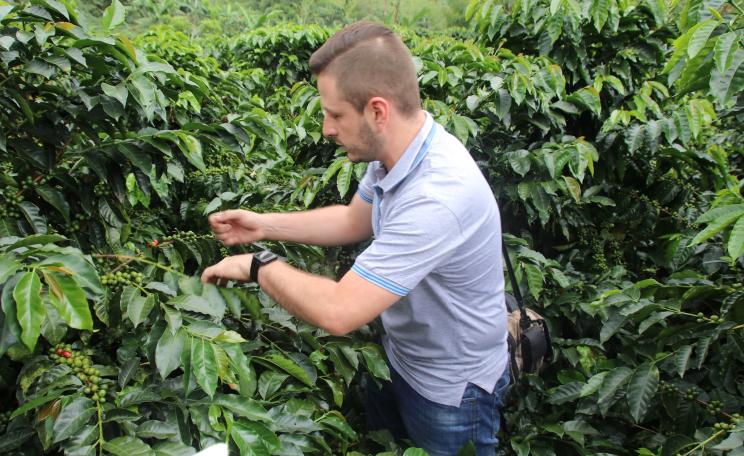
Growing coffee is both a point of pride and a significant economic driver for Colombia but a changing climate is now threatening the harvest. FOREST RAY reports on the new challenges facing growers from that country
The badger cull is a clear failure on scientific, cost and humanity grounds, writes Dominic Dyer. Yet the government is planning a major extension of the cull in 2017. That's why he has just sent a copy of his acclaimed book to every British MP, before they debate the issue next week. Write to yours now demanding an end to the slaughter!
In 2011 the Fukushima region of Japan was devastated by an earthquake and nuclear disaster. Six years on, the residents have begun to rebuild their lives and are producing Japanese cotton.
The news that the Kimblewick Hunt's hounds are infested with bovine TB has come as a shock to farmers and hunters, writes Lesley Docksey. But it's no surprise to campaigners against the badger cull, who have long complained about poor farm hygiene and the feeding by hunts of disease-ridden 'fallen cattle' carcasses to foxhounds - never mind that the cattle are likely bTB carriers!
UK supermarkets led the world in saying 'no!' to GM foods and ingredients, writes Liz O'Neill. But they faltered on GM feeds for pigs, cattle, poultry and fish, with GM soy and corn dominating the UK's non-organic market. Now campaigners are putting the pressure on supermarkets to make their entire supply chains GMO-free for the sake of animal, human and ecological health.
The troubled project to develop GMO 'golden rice' cultivars has just hit a serious obstacle. An attempt to breed the 'event' responsible for carotenoid production into a commercial rice variety has produced widespread genomic instability, causing weak plants and poor grain production. Has the golden rice hype bubble finally burst?
We know the outcome of Defra's latest 'public consultation' on killing badgers long before the results have even been analysed, writes Lesley Docksey. Environment secretary Andrea Leadsom has already promised farmers to extend the cull 'even further' - although it brings no proven benefits. Welcome to the new world of 'alternative facts' that's driving UK government policy.
With most of our food exports going to the EU, and most of our food imports coming from the EU, Molly Scott Cato wondered what plans the government had for the sector after Brexit. The answer? None! Two reports published today map out a positive future of sustainable farming, local food, thriving rural economies and abundant biodiversity. But is the government on the same page?
If you love wildlife and enjoy country walks, you've got the makings of a badger patroller, writes Lesley Docksey. You can walk at night if you want to, but daytime observation on country lanes and footpaths is no less important, watching out for the signs of cullers at work. And with the trust and warm friendship that builds among badger patrollers, you'll never be without congenial company.
Whatever people were voting for when they elected President Donald Trump, very few were seeking to remove the already scant protections afforded to dogs and puppies kept in unregulated 'factory farm' breeding sheds, writes JP Sottile. But that's the effect of the deregulatory whirlwind that's hit USDA: more profit for the animal abusers, and more suffering for the animals.
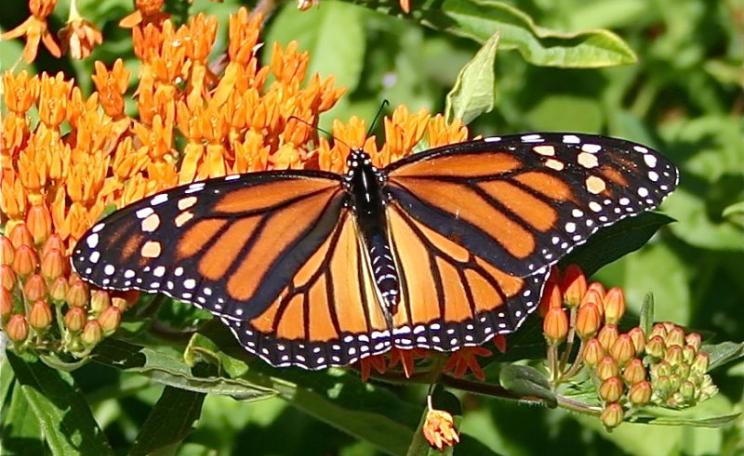
It's been another disastrous year for North America's Monarch butterflies, with the insect's population down 27% in a single year. The sudden decline is blamed on severe winter storms in Mexico, and the impacts of GMO crops, herbicides and insecticides on US farms.
If it wasn't climate change, was the real purpose of the Number 10 meeting of Theresa May's advisors and President Trump's environmental transition supremo Myron Ebell to plan the post-Brexit deregulation of UK farming, including pesticides? That's how it looks, writes Georgina Downs - and we had better begin now to fight for our health, wildlife and environment.
MEPs have signalled that any Brexit deal that allows Britain to scrap the environmental laws it has signed up to as an EU member faces veto, writes Charlotte Burns. They are not prepared to countenance a bad neighbour 'dirty Britain' just off the EU's shores, nor to see the EU's environmental progress undermined by unfair competition.
Leaving the European Union and reaching a trade deal with President Trump's US would create a perfect storm for UK farmers, writes Liberal Democrat Environment Spokesperson Kate Parminter, with new EU tariffs, reduced subsidies and drastically lower standards. The changes would also pose a serious threat to our natural environment, food quality and public health.