With Brexit the UK will have to chose between two visions of our farming future, writes Keith Tyrell. Will it be heavily subsidised corporate agribusiness that ravages both nature and small, high quality farmers. Or will we seize the chance to build a sustainable food and farming system that supports wildlife, landscape, family farms, organic production and diverse rural economies?
England is about to extend its badger cull policy to five new areas of the country, proving that only that science is a dead letter to May's conservative government as it was to Cameron's. While bovine TB infections in cattle rise in the existing cull areas, Wales has just achieved a cull-free 14% reduction.
The very first GE product, a dietary supplement, poisoned thousands of people of which dozens died, writes Steven M. Druker. The first GE food, the 'Flavr Savr' tomato, caused stomach lesions. But a long campaign of concealment and deception by regulators and corporate scientists re-engineered the truth to present GMOs as so safe they did not even need to be tested for safety.
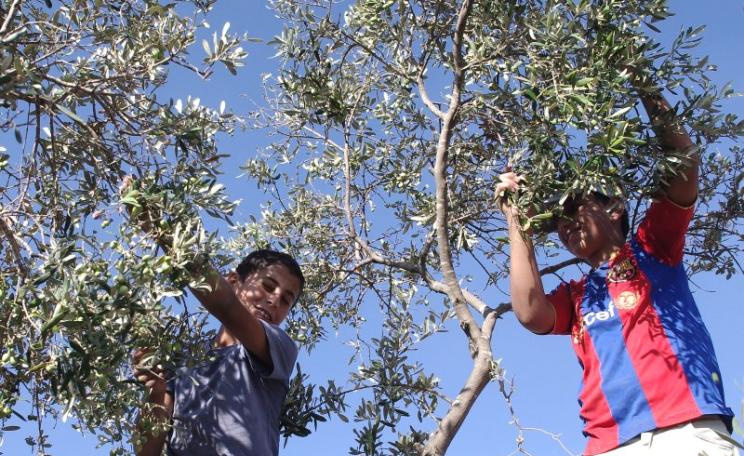
For decades Israel has been driving Palestinian farmers off their land by imposing restrictions on agriculture, writes JONATHAN COOK. But one company, Canaan Fair Trade, has found an innovative way to resist peacefully, increasing resilience and prosperity in rural West Bank communities, and forging international alliances in the global movement for good food and farming.
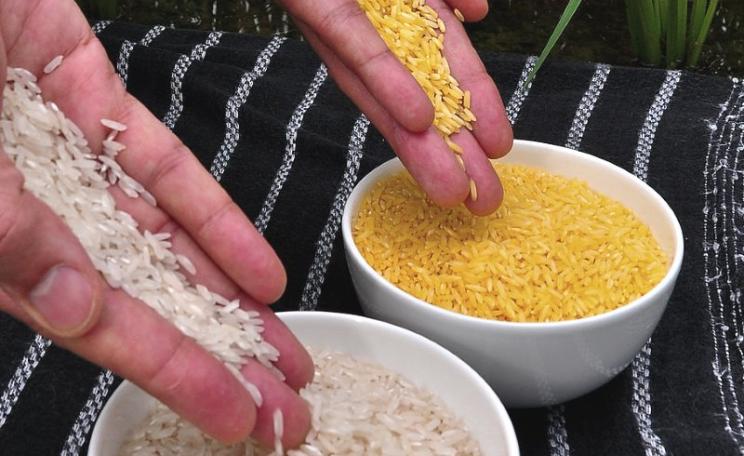
The real reason why 'golden rice' remains uncultivated after a 20 year effort is its poor agronomic performance, write Angelika Hilbeck & Hans Herren. But beyond that, the very idea of golden rice as a 'solution' to Vitamin A deficiency fails to recognise the real causes of malnutrition - poverty, hunger and poor diet. How will golden rice reach poor children in the first place? And will they ever get the rich, oily diet they need to assimilate its fat-soluble nutrients?
Free range pig campaigner Tracy Worcester had a surprise encounter after filming horrific conditions in an intensive UK pig farm. She met the elderly farmer who was cutting corners to stay in business under cut-throat pressure from supermarkets and global agribusiness - only to find he shared all her concerns. The answer is for shoppers to buy only high-welfare meat.
Rooted in the Andean principles of sharing, resilience and 'Vivir Bien' (Living Well), Bolivian activists in the world's highest capital city are building cooperative, grassroots alternatives to the profit-oriented economy, writes Sian Cowman. Their weekly lunch party is just the most visible way in which they are challenging the injustice of capitalism and the fragmentation it inflicts on communities.
A once quiet voice, hard to distinguish against the grinding machine of intensive food production is now shouting above the noise. LAURA BRIGGS reports on the growing interest in grass as a feeding option
Rice-eating peoples are very particular about the rice their diets are based on, writes Ted Greiner. And they have a strong aversion to yellow grains, the tell-tale sign of the deadly mould that causes beri-beri disease. That alone makes GMO 'Golden Rice' a non starter; 107 Nobel Laureates had better start eating their words.
The Royal Society purports to provide unbiased information on scientific issues, writes Steven Druker. But its new guide on GMOs is grossly misleading - glossing over the many dangers inherent to the technology with bland, unsupported re-assurances. The Society must end its partisan promotion of GMOs or risk its reputation as Britain's premier scientific body.
With the coming of summer, South Korea's 'Boknal' dog-eating festival is under way, writes Anneka Svenska. Known for the extreme cruelty deliberately inflicted on dogs to improve the taste of their meat, Boknal is a barbaric relic rooted in ignorance and pseudo-medical superstition whose time is well and truly up.
Today (Friday, 8th July) the charity Viva! will debut its new short thriller/documentary, film SWINE which exposes the dirty secrets of factory farming in UK - including the growing health risks to humans from MRSA Superbugs
Greenpeace is being attacked for 'crimes against humanity' by 100 Nobel laureates for blocking GMO 'golden' rice, reports Claire Robinson. But the low-yielding crop is years away from going on sale, and there is no proof of any nutritional benefit to the malnourished children it's meant to benefit. Could the distinguished prize-winners have fallen for slick pro-GMO PR and spin?
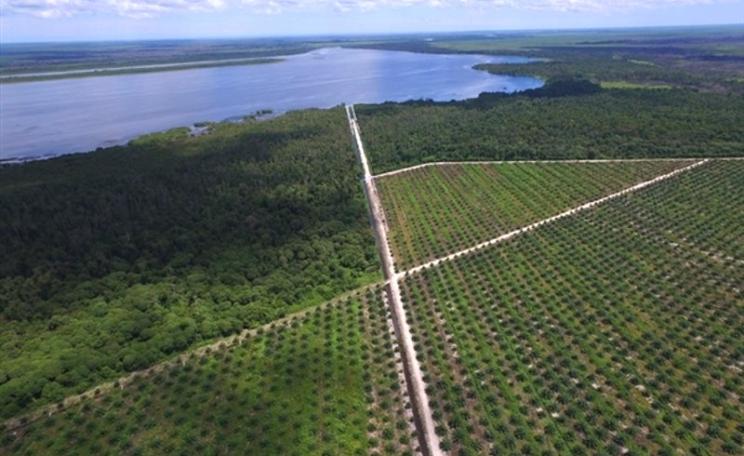
Over 300 major food companies used to buy palm oil from IOI, writes Annisa Rahmawati. But after the company was found to be destroying vast areas of Indonesia's rainforest and draining peatlands to make new palm oil plantations, it has been deserted by its customers. Now IOI must go beyond just sticking to the rules, and start actively repairing the damage it has caused.
The European Parliament has had a great week, writes Molly Scott Cato MEP - for those who oppose GMOs in food and farming. MEPs voted on five occasions to say no to GMOs, and gave their support to agroecology as the only sustainable way to feed the world.
The European Parliament today called on the Commission and member states like the UK to stop funding the 'New Alliance' plan to force export-oriented agribusiness onto Africa. Instead they want support for small-scale family farms and agroecology.
The EPA's release of an internal memorandum last month showing the increasing use of the cancer-linked weedkiller glyphosate looked like a welcome opening up of information to the public, writes Carey Gillam. But then it was suddenly withdrawn, along with other related documents - though not before she grabbed her copy and reviewed the scale and scope of glyphosate usage.
How do you solve a problem like deforestation? By a change of diet, writes Laura Kehoe. Scientists have discovered that we can feed the world and stop destroying forests by eating less meat. If we all went vegetarian that would reduce deforestation by 94%. And if we went the whole way to veganism enough land would be freed up for a new forest the size of the Amazon, and allow a widespread shift to organic farming systems.
What's the point of farming? To produce an abundance of wholesome food, writes Colin Tudge, while supporting a flourishing rural economy and a sustainable, biodiverse countryside. Yet the powers that be, determined to advance industrial agriculture at all costs, are achieving the precise opposite. It's time for a revolution in our food and farming culture, led by the people at large.
It looked like such a good idea: take the pressure off wild fish stocks by growing GM oilseeds that produce health-enhancing long-chain omega-3 fatty acids, writes Claire Robinson. But as a new study has established, those fish oils, novel in terrestrial ecosystems, cause wing deformities in cabbage white butterflies. Yet a third open field trial of these GM crops could soon be under way.
The European Parliament just voted to re-authorise glyphosate, writes Peter Melchett - but with significant restrictions on its use. So what does the vote mean for the world's biggest selling herbicide? And how come the UK's National Farmers' Union welcomed the decision as an unqualified victory?
The 'cancer industry', including charities with close links to chemicals corporations, is always keen to blame cancer victims for their morally deficient lifestyles, writes Colin Todhunter. But the real fault lies with the commercial interests touting bad food, nutritionally unbalanced and laced with toxic agrochemicals - like the ubiquitous glyphosate - and their residues.
Australian governments have long waged a one-sided war on the continent's Aboriginal peoples, writes John Pilger. And now a new weapon has come into play: the starvation of the most remote, culturally intact communities. It's all part of a multi-faceted program of physical and cultural annihilation. And yet the world is silent.
How to dissent peacefully from the corruption, waste and destruction of the world? By a mindful disengagement from evil, writes Julian Rose: from fossil fuel energy to propagandist media, from sweatshop clothing to the predatory financial system. Some of the steps we can take are easy, others very difficult - but what ultimately matters is the direction of travel.