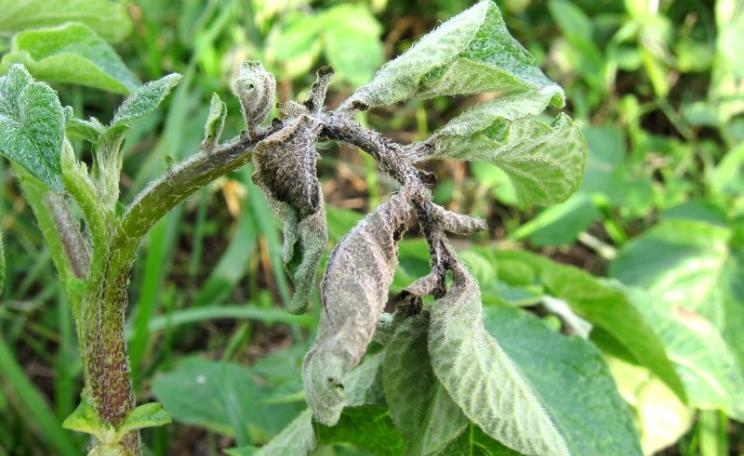
British NGOs have objected to two applications for open-air field trials to grow GM crops. One is for a blight-resistant potato that is much less resistant than existing non-GM varieties. The other is an oilseed to be used as fish food whose fatty acid profile has been subject to only 'rudimentary analysis'.
Food has never been more affordable for middle class families in rich countries. But it comes at a high cost: the impact of industrial food production on health, environment and society has never been greater as Patrick Holden explained to Emily Lewis-Brown. Now the real cost of food US production will be examined in a ground-breaking conference in San Francisco.
India's food system, essentially clean just a generation ago, has been comprehensively contaminated with sugar, bad fats, synthetic additives, GMOs and pesticides under the country's neoliberal 'great leap forwards', writes Colin Todhunter. The result? a surge in obesity, diabetes and cancer incidence, but no let-up in the under-nutrition of those too poor to join in the over-consumption.
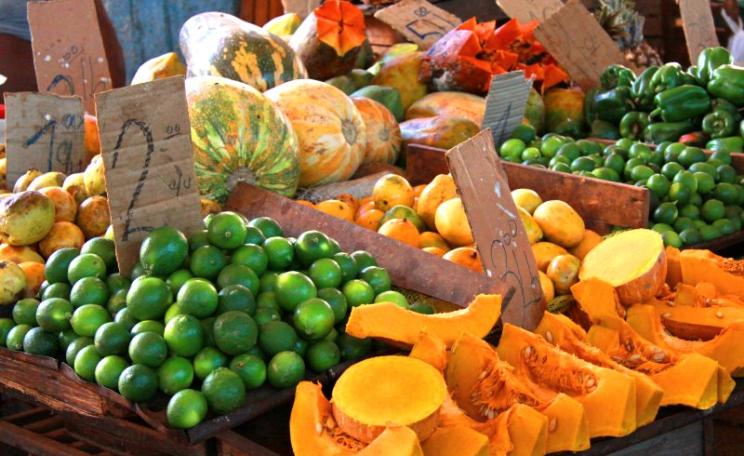
Among Cuba's greatest achievements is its organic farming sector, writes Miguel Altieri. Developed in the 1990s following the collapse of the Soviet Union, small agroecological farms now employ 300,000 campesinos and provide an abundance of healthy fruit and vegetables. But now US food and agribusiness corporations are eyeing up a multi-billion dollar business opportunity.
Oxford researchers have quantified the benefits of the world becoming vegetarian, writes Marco Springmann. Their study shows that simple changes - like moving to diets low in meat and high in fruit and vegetables - could lead to significant reduction in mortality and health care costs, while cutting food sector greenhouse gas emissions by two thirds.
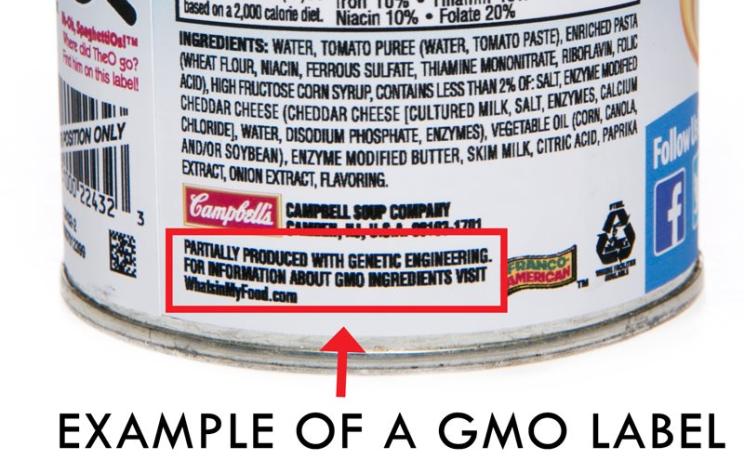
The small state of Vermont is changing the face of US food as companies hasten to comply with its GMO labeling rule which comes into effect in July 2016. Mars and General Mills - and now Kelloggs and ConAgra - are the latest companies to announce their labels will comply with Vermont law US-wide - and many more are sure to follow.
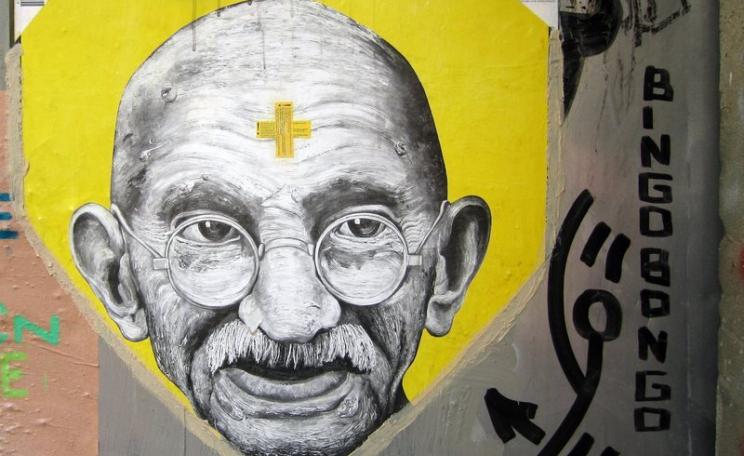
GMO enthusiasts insist that organic, agroecological farming could never feed the world, writes Colin Todhunter. But it has been feeding us all for millennia - and it's the only way to continue while enriching the soils and biodiversity on which all farming depends. As Mahatma Gandhi once observed, industrial agriculture is but a nine-day wonder. And its time will soon be up.
The Chancellor's 'sport not sugar' move to tax sugary drinks was extremely welcome, writes Simon Bullock. But we need a similar Treasury approach to protect people from other threats too. So how about tackling the air pollution that's killing tens of thousands of Britons a year?
To understand how technology is used in the real world we must appreciate who owns and controls it, writes Colin Todhunter: whose interests it serves, and how it works in an economic system driven by profit, geopolitics and the compulsion to capture and control markets - while the monopolists proclaim a noble ideology of 'free choice' and 'democracy'.
Labels on meat, egg and dairy products are often the only clue we have into the lives of the animals they came from, writes Philip Lymbery. But they are often confusing or even misleading about the truth of cruel farming practices. Labelling needs to be clearer to allow ethical consumers to make the right choices.
Agroecology is key to retaking control over food, farming and land from the 'monstrous machine' of agribusiness, biotech, big finance and 'free trade', writes Colin Todhunter, as it represents a truly viable alternative to agriculture for corporate profit. But such are the powers ranged against the world's small farmers that it must be supported by a broad-based, global people's movement.
The way food is produced has a profound impact on its nutritional profile, according to research published in the British Journal of Nutrition. Not only is organic farming better for animal welfare, the environment and wildlife, writes Peter Melchett, but organic meat, dairy, fruit and vegetables all have tangible health benefits for the people who eat them.
The 'Biotechnology Food Labeling Uniformity' bill has been introduced to the US Senate to require clear, simple labelling of GMOs nationwide - informing consumers while saving manufacturers from a confusing patchwork of state regulations. Could it defeat the dreaded DARK Act?
From banks that are too big to fail, to food banks for the too small to matter, the global econom systematically pumps money from the social economy and the poor up into the hands of a tiny minority of wealthy beneficiaries, writes Colin Tudge. Farmers, trapped between mountains of debt and low food prices, are among the main victims. It's time for a big rethink, starting from first principles.
The European Commission is poised to renew the licence for glyphosate - the herbicide last year deemed ‘probably carcinogenic' by the WHO - for another 15 years. The decision follows from EFSA's contrary finding, based on secret, non peer-reviewed, industry-funded studies.
The European Commission was guilty of maladministration and acted unlawfully in approving pesticides for which there was insufficient safety data, the EU Ombudsman has ruled. It must now reform its practices, writes Vanessa Amaral-Rogers, or face legal action.
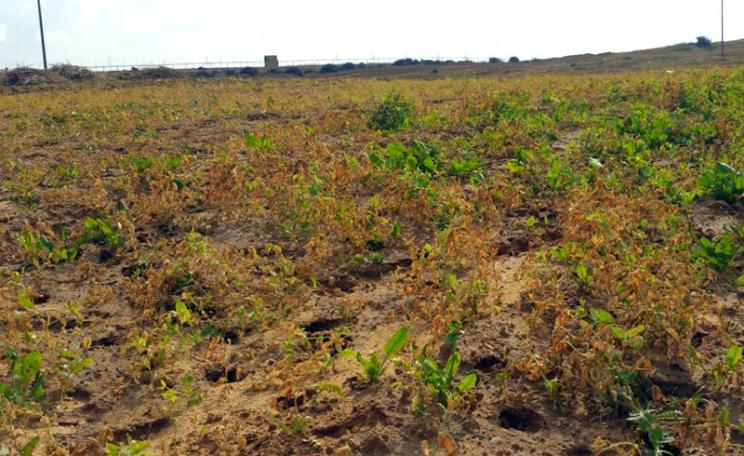
Gaza farmers have lost 187 hectares of crops to aerial spraying of herbicides by Israel hundreds of meters within the territory's borders. The action, carried out in the name of 'security', further undermines Gaza's ability to feed itself and may permanently deprive farmers of their livelihoods. It may also represent a war crime under the 1977 Protocol to the Geneva Conventions.
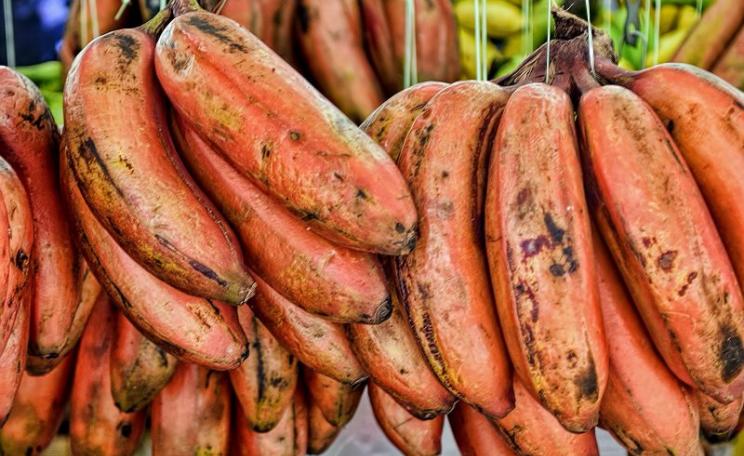
The Gates Foundation has received a 57,000 strong petition denouncing its support for a 'biopirated' GM banana program in Africa, and calling on it to suspend a feeding trial on US students, writes Vanessa Amaral-Rogers. The banana threatens both the health of the students, say campaigners, and the future of African agriculture.
The increasingly militant protests by dairy farmers against low prices forced on them by the corporate 'free market' represent serious and effective resistance against the 'free trade' agenda being forced on the world by neoliberal governments, writes David Miller. They are the first steps to building a new global food system that respects food, people, culture and environment.
The world is in the grip of a structural war against people, land, economies and ecosystems, writes Colin Todhunter. It is being waged by a quartet of organised criminal interests bent on monopolizing energy, money, food and violence across the globe. But a deep-rooted resistance against their 'neoliberal' doctrine of death and destruction is fighting back.
Global oilseed, agribusiness and biotech corporations are engaged in a long term attack on India's local cooking oil producers, writes Colin Todhunter. In just 20 years they have reduced India from self-sufficiency in cooking oil to importing half its needs. Now the government's unlawful attempts to impose GM mustard seed threaten to wipe out a crop at the root of Indian food and farming traditions.
Bananas are at the sharp end of industrial agriculture's chemical war on pests and pathogens, writes Angelina Sanderson Bellamy. But even 60 pesticide sprays a year isn't enough to keep the diseases at bay. It's time to seek new solutions with little or no use of chemicals, working with nature, growing diverse crops on the same land - and breaking the dominance of the banana multinationals.
How can progressive movements rise above merely being right, to mount effective mass opposition to corporate rule and the dictatorship of the super-wealthy? By learning from Gandhi, writes Colin Todhunter, and devising new campaigns that engage with people's everyday concerns - like access to safe, wholesome, affordable, 'open source' food.
Colin Tudge reports on The College of Real Farming and Food Culture; a project designed to tackle the current issues in global food production. The current system is not fit for purpose but through a holistic approach and an overhaul of current mainstream agriculture, achieving a balance between feeding the world and conserving the environment is within grasp.