Meat is responsible for about 30% of all 'wasted calories', writes Mike Berners-Lee, so with food causing a third of all greenhouse emissions, eating less meat is one of the most effective things we can do to reduce our climate impact. But no less important is to switch from high to low-impact meats - and to do all we can to cut food waste in our kitchens.
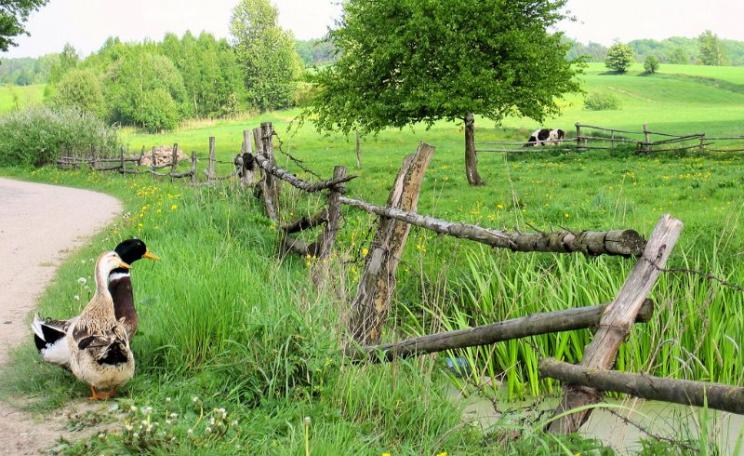
Since Poland's new government was elected last October it has moved to protect the country's 1.3 million small farmers, writes Julian Rose. First it freed those arrested for protesting corporate land grabs, now it is seeking to lighten oppressive hygiene regulations, and next it may support a new Food Act that would ban GMOs, and legislate for national food security and food sovereignty.
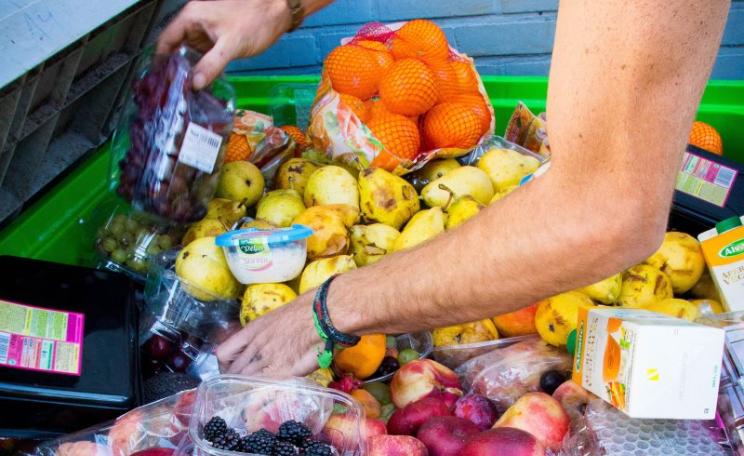
A third of all food that's produced in the world is thrown away. What's going on? Diana Moreno finds some answers in her own experience working in a German supermarket. Leading the list is the mind-numbing 'culture of rush' that permeates high-volume, low margin retailing, and which subjects workers and customers alike to the soul-less logic of the production line.
The global catch of fish and seafood is falling at three times the rate reported by the United Nations and urgently needs to be slowed to avoid a crash, reports Christopher Pala. The finding comes in a new study for Nature which quantifies the huge illegal industrial fish pillaging taking place around the world, together with artisanal catches, which in 2010 added over 50% to UN estimates.
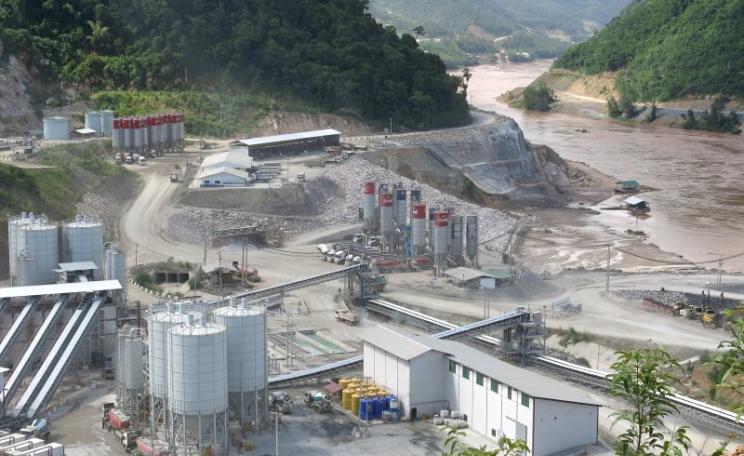
Dam builders have a new mantra, writes Tom Fawthrop: 'sustainable hydropower'. Repeated at every opportunity, it is based on the unproven idea that large dams can be made 'sustainable' by promising future 'mitigation'. And so it is at the Don Sahong dam in Laos which is about to devastate the mighty Mekong and the 60 million people who depend on it for food and livelihood.
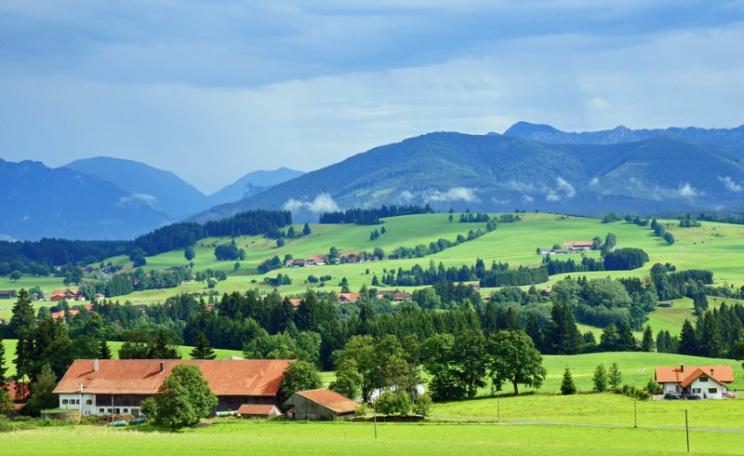
The TTIP 'trade agreement between the US and the EU would devastate EU farms as it opens them up to competition from larger, less regulated US operations, writes Dario Sarmadi. This is the conclusion of a new study to be published tomorrow, which also finds that small-scale farmers would be the first to go - with the big winners the large agri-food corporations.
The new People Need Nature report - published to coincide with this week's annual Oxford Real Farming Conference - warns that modern farming practices are not good for wildlife. But they're not good for humans either. And with predictions that we will need to produce 70 per cent more food to feed a third more mouths by 2050 the question of seed ownership and diversity cannot be ignored. KATHRYN HINDESS reports
When it comes to farming, size matters. Currently, subsidies - received under the EU Common Agricultural Policy - are available only to farmers with more than five hectares of eligible land. Now, a new report by the charity People Need Nature published to coincide with the Oxford Real Farming Conferene (which starts today) claims that this "excludes the producers it should be supporting." KATHRYN HINDESS reports
A radical new Seed Law drafted by Venezuelan people, farmers and NGOs was signed into law in the closing days of 2015, write William Camacaro, Frederick B. Mills & Christina M. Schiavoni. Striking back against the corporate takeover of seeds and peddling of GMOs, the Seed Law bans transgenic seeds, protects the country's germplasm, and establishes the legal foundation for a participatory, agroecological food and farming system.
Monsanto was accused of 'crimes against humanity and the environment' at COP21 in Paris this week, writes Pavlos Georgiadis. And now the evidence against it is being gathered for presentation at a 'Monsanto Tribunal' taking place next October in The Hague.
Almost all our food is grown in soil, writes Peter Melchett. Yet we are treating it like dirt: spraying it with toxic chemicals, depleting vital nutrients, and releasing its carbon to add to climate change. With World Soils Day coming up tomorrow, let's change our ways - and renew our commitment to organic food and farming.
Fresh or dried wild seaweed may be on sale in a supermarket near you, writes Fiona Bird. But much better than supporting what may be unsustainable harvesting, gather your own at low tide on rocky shores, picking just enough for your needs. Once a poverty food, seaweed is now a sought after ingredient that expresses the 'fifth taste', umami.
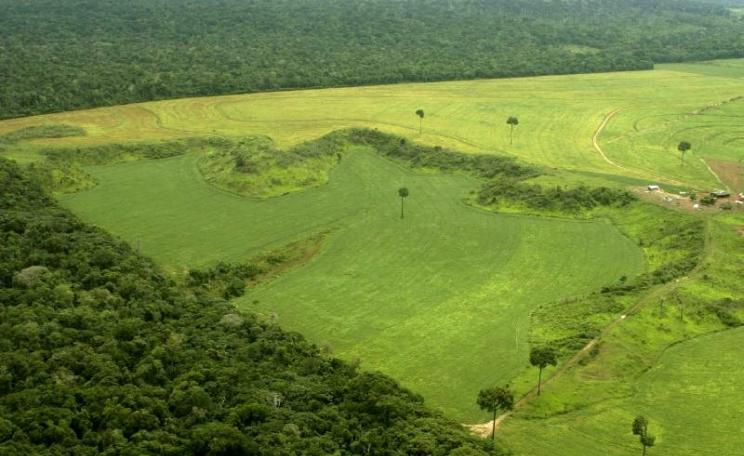
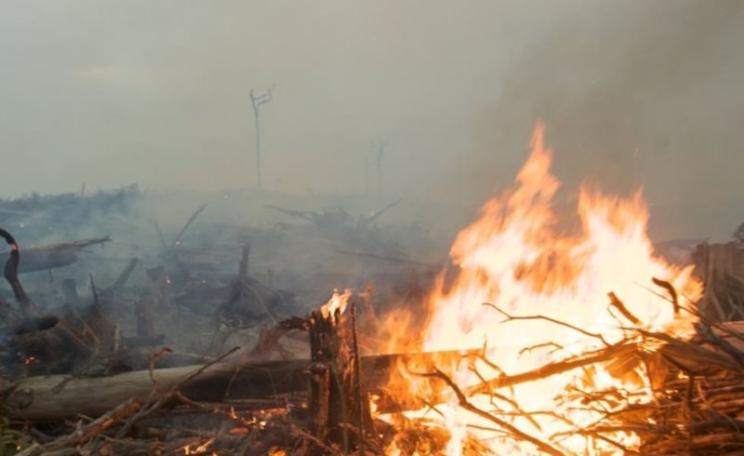
'No deforestation' pledges by global food corporations are yielding results, writes William Laurance. But now the Indonesian and Malaysian governments are calling on them to abandon their promises - even as the region's rainforests go up in smoke, cleared for new oil palm plantations. The companies must hold firm to their commitments.
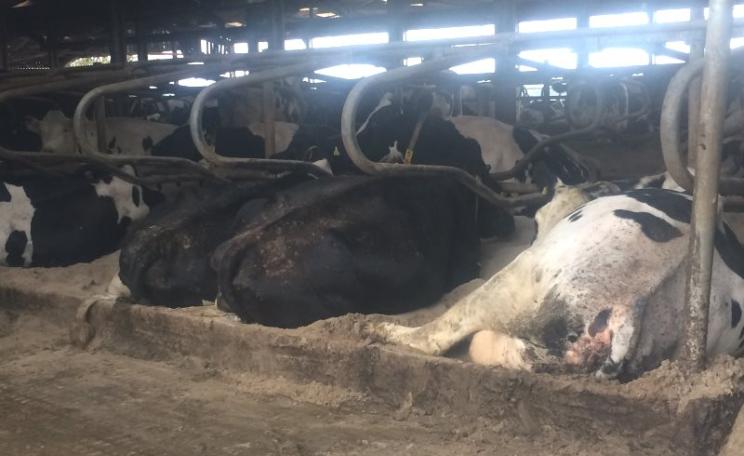
As falling milk prices push dairy farm out of business, new mega-dairies and feedlot operations of 700 or more cows are filling the void, writes Andrew Wasley. Never mind the pollution, slurry lagoons, and heavy plant on country lanes - do we want the cows that produce our milk confined to sheds? And what's the future for traditional dairy farmers with small, well cared for herds?
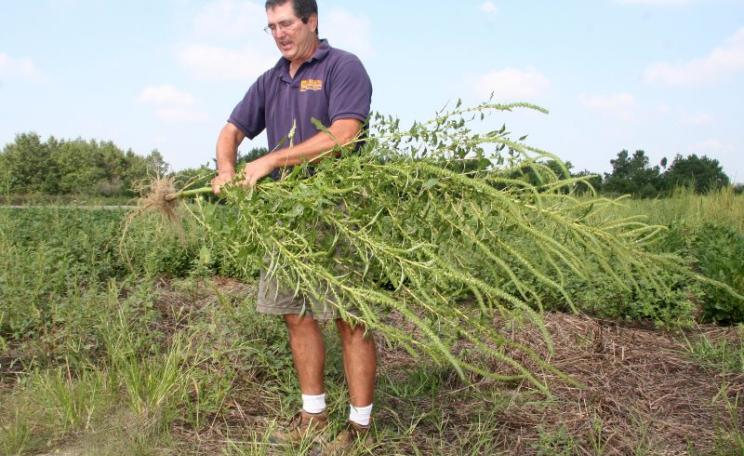
A new wave of ‘next generation' GM crops resistant to multiple herbicides, may be approved for import into the European Union, writes Helen Wallace, even though the health impact of the herbicide combinations is unknown. Regulators and retailers must refuse to authorise these GMOs or allow their use in any part of the food chain.
A new investigation of palm oil plantations, companies and auditors has found that the Roundtable on Sustainable Palm Oil is failing to deliver on its promise, writes Chris Lang. Widespread fraud, collusion between auditors and companies, conflicts of interest, and a flawed complaints system mean that RSPO-certified palm oil may be destructively and illegally produced.
As industrial agriculture continues to erode our wildlife, Dave Goulson challenges the methods and objectives of ever-increasing food production. We need to move towards sustainable, evidence-based farming systems that produce healthy food, rather than allowing the agrochemical industry to reshape our farming, countryside and nutrition to its quest for profit.
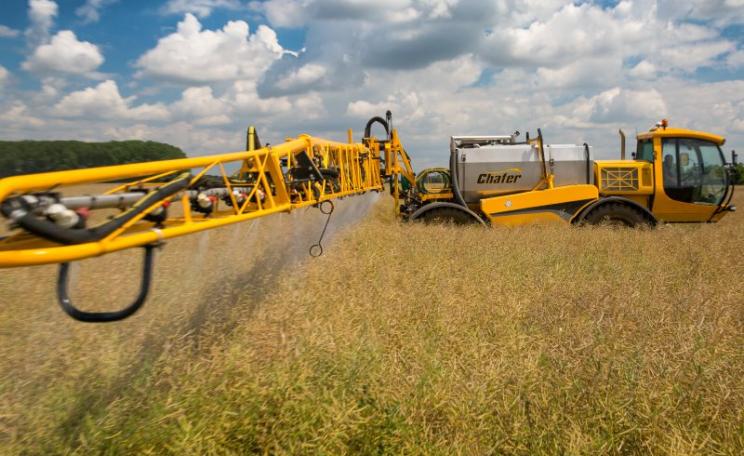
The European Food Safety Authority is about to decide on a re-authorisation of glyphosate, a 'probable carcinogen', based on unpublished industry studies. In this Open Letter to the European Commissioner for Health and Food Safety, campaigners call on him to ensure an open, scientifically robust process - and to immediately restrict the herbicide.
Seventeen or more secret applications have been made to India's GMO regulators for trials and release of GM crops including rice, wheat, chickpeas, brinjal and mustard, write Colin Todhunter & Oliver Tickell. In a violation of the law regulators have released no information about the applications, raising fears that India's first GMOs will be released with no health, safety or environmental testing.
The European Parliament voted this week to regulate nano-materials in the pending EU law on novel foods, write Jaydee Hanson & Evan Bromfield. But no such moves are taking place in the US. Let's make this the last time our children are exposed to these hazardous substances in their Halloween candy!
The UK dairy industry is in crisis, writes Megan Perry, with falling prices forcing many farmers out of business. Smaller, more sustainable farms have been the worst casualties, while the large, intensive producers survive. We must ditch market-driven 'survival of the fittest' attitudes - and recognise both the real costs of intensification, and the true value of traditional farming.
Organic farming produces more nutritious food than chemical agriculture, writes Colin Todhunter, while sustaining soils and building organic matter. And we know this from real, peer-reviewed scientific studies - unlike the pseudo-science touted at us by the self-interested advocates of industrial agribusiness.
'Climate Smart Agriculture' advocates were out in force at the just concluded climate talks in Bonn, writes Pavlos Georgiadis. But their finely crafted corporate message presents a real threat to genuine agroecological solutions to the interlinked food, farming and climate crises.
Corporations can be incredibly innovative, writes Paul Levy. But it's not always in good ways. Think of VW's clever device for fooling emissions tests, social media software that's way too intrusive for its own good, or sugary drinks marketed as 'healthy' when they're no such thing. Sadly, there's a lot of it about!