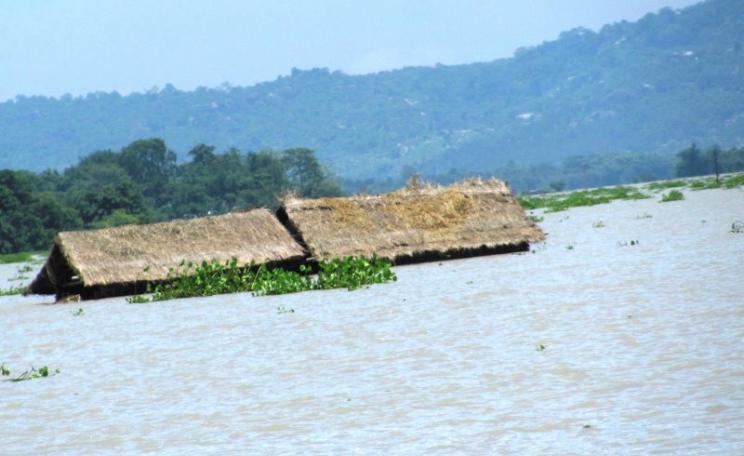
India's tea capital, Assam, has been hit by devastating floods for the second time in three years, writes Sneha Krishnan. But the government has failed to address key environmental issues like deforestation and soil conservation, or involve local communities in developing solutions. So ever more fertile land is lost to erosion, and millions of the country's poorest people suffer.
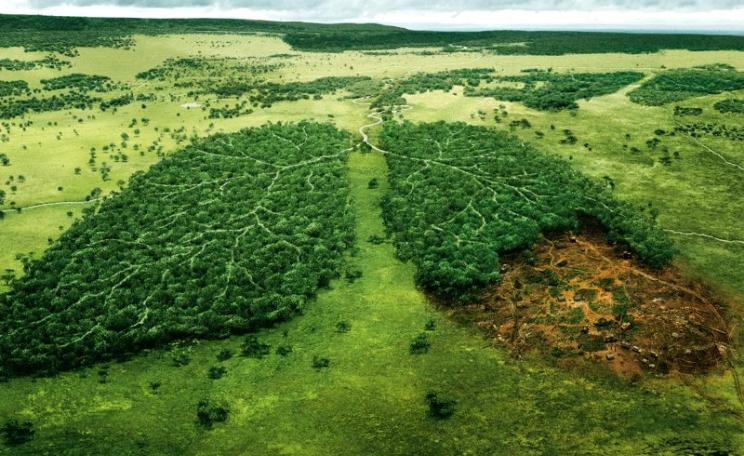
Worried about debt, defaults and deficits? Save up your concern for the real problem, writes Glen Barry. The systematic destruction Earth's natural ecosystems for short-term profit is the 'bubble' that underlies economic growth - and if allowed to continue its bursting will leave the Earth in a state of social, economic and ecological collapse.
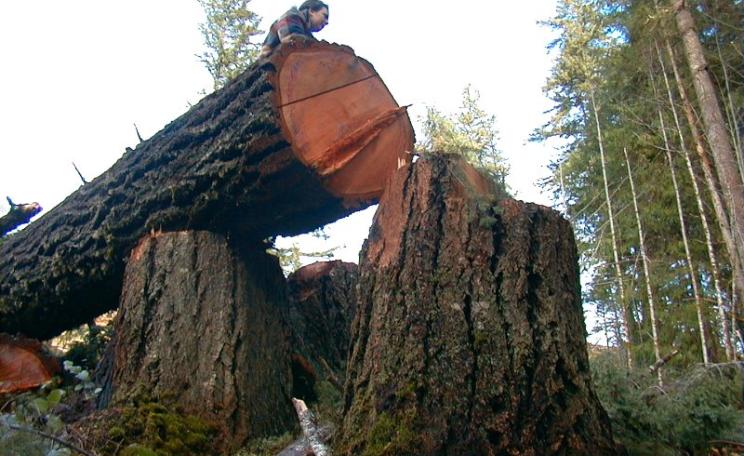
Isn't three trillion trees enough to keep our planet healthy? It sounds like a lot, writes James Dyke, but they are under threat as never before, from deliberate deforestation and climate change. Many of the 1.5 billion trees we are losing a year are in the last great rainforests - key ecosystems under threat of drying out forever under our escalating double onslaught.
The return of pine martens to central Ireland has been followed by a resurgence of red squirrels, writes Emma Sheehy. Now that the predatory mammal is being seen south of the Scottish border, the same could happen in England. The heavier grey squirrel is easy prey for pine martens, and their demise could open up ecological space for the native red to recolonise.
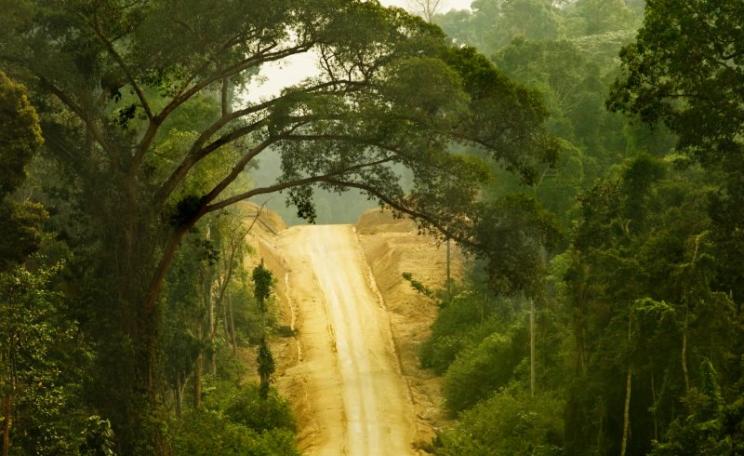
Based on current performance tropical forests, the world's most biodiverse ecosystems, are set to be reduced to species-impoverished fragments by the end of the century, writes Simon Lewis. But it's not inevitable. Decisive action by the world's governments in Paris in December could secure desperately needed change.
A growing protest movement is demanding strong controls on international investors and logging companies buying up Romania's forests, writes Raluca Besliu. In its sights is Austria-based Schweighofer, which stands accused of criminal malpractice and accepting illegal timber shipments. The popular outrage stirred up by corporate misdeeds is now stimulating a wider democratic revival.
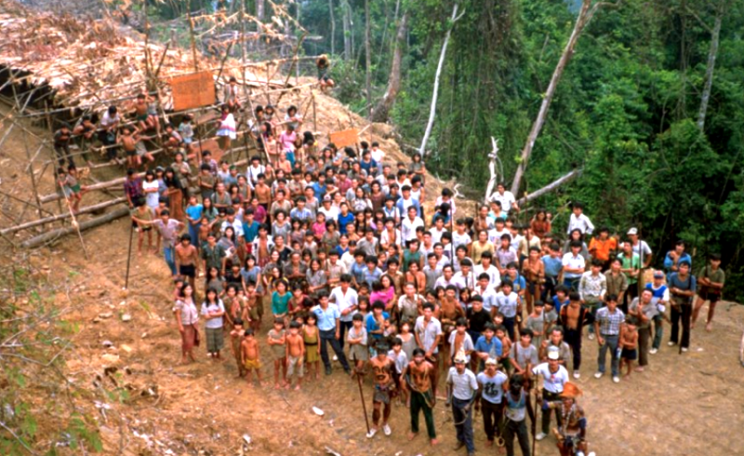
Malaysia is pushing ahead with its plans for a devastating series of 12 dams in the rainforests of Borneo that will kill a billion trees, bring death to wildlife on a stupendous scale and evict tens of thousands of indigenous people and their communities, writes Jettie Word. Now a new film honours their struggle for land, forest and freedom.
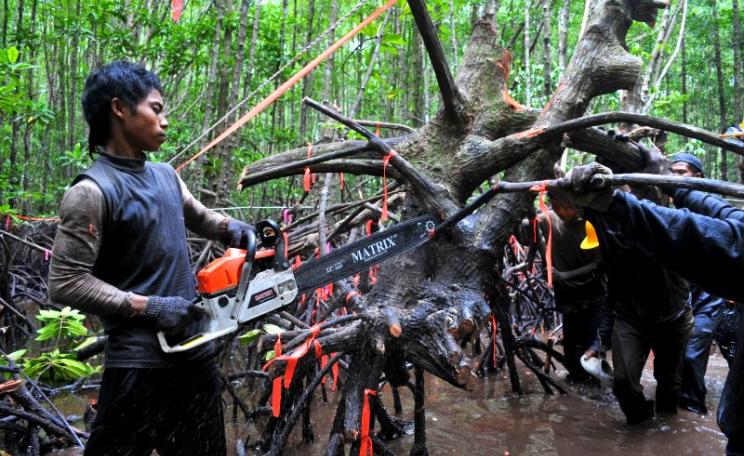
The loss of Indonesia's coastal mangrove forests for shrimp farming is a huge source of carbon emissions, writes Prodita Sabarini. But equally, a policy flip to preserve and recreate mangroves offers a major climate win.
The 'knowns' of climate change are already plenty scary enough, writes Bill Laurance. But far more worrying are the unknowns. And in a system as complex and convoluted as the global climate system there are lots of them, creating scope for many nasty surprises to emerge.
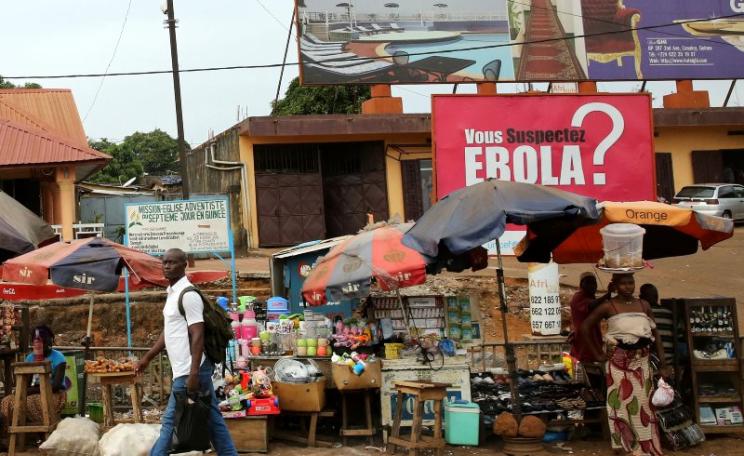
The outbreak of Ebola in West Africa had everything to do with logging, deforestation and the disruption of traditional agro-forestry by large scale industrial agriculture, writes Rob Wallace. The only long term solution to this terrible disease may lie in forest conservation, the restoration of agroecological farming systems, and the exclusion of agribusiness investment.
In the battle to save America's real wild west of unlogged forests, grizzly bears, mountain goats, Bull trout, free flowing streams and roadless wilderness, a single person stands out, writes Jeffrey St Clair, for her dedication, courage and remarkable success: Arlene Montgomery of Friends of the Wild Swan, Montana.
Greece's economic woes will never be solved by merely moving money around the banking system, writes Oliver Tickell. The lasting solution is to restore native forests to her barren hills and mountains, invest in large-scale solar power to energise Europe, and create an examplar of sustainable development for our global future.
We must beware an 'environmental' agenda that excludes the human dimension, Pope Francis writes in his recent Encyclical: the poor are least to blame for the ecological and climate crises, yet they are its primary victims. Humanity must make enduring decisions about the world we and our children will share.
Sarawak state in Malaysian Borneo already has an excess of electricity from existing hydropower dams - so why is the government determined to build a dozen more, displacing indigenous communities and flooding vast areas of rainforest? The answer, says a new documentary film by The Borneo Project, is simple - massive political corruption.
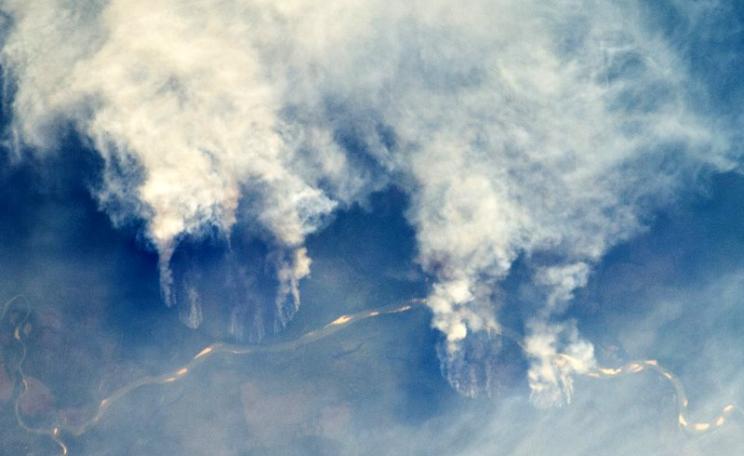
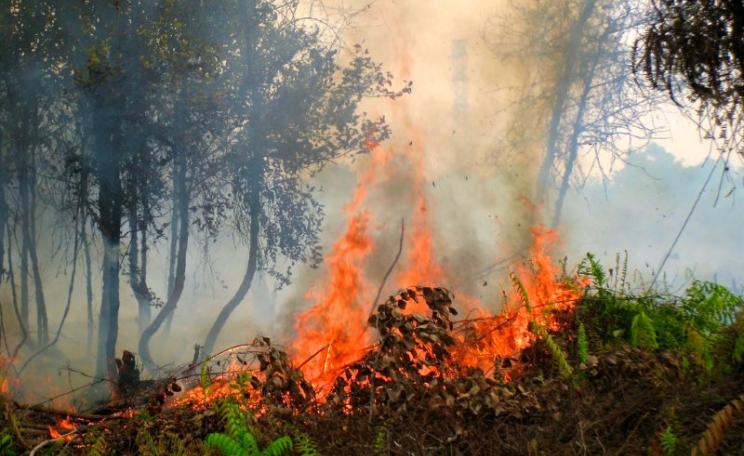
The conditions for an 'El Niño' climate perturbation over the Pacific appear to be in place, write Allan Spessa & Robert Field - and that means there's a high risk of large scale fires in Indonesia's forests and peatlands in coming months.
As Paris prepares for COP21 in Paris, Marc Brightman finds that the city is in the grip of a benign but ignorant authoritarianism that is ready to trample on much-loved green spaces like the Bois Dormoy, reclaimed from dereliction by the multicultural local community, which represent real solutions to the global problems of food, climate, the future of our cities, and our place in nature.
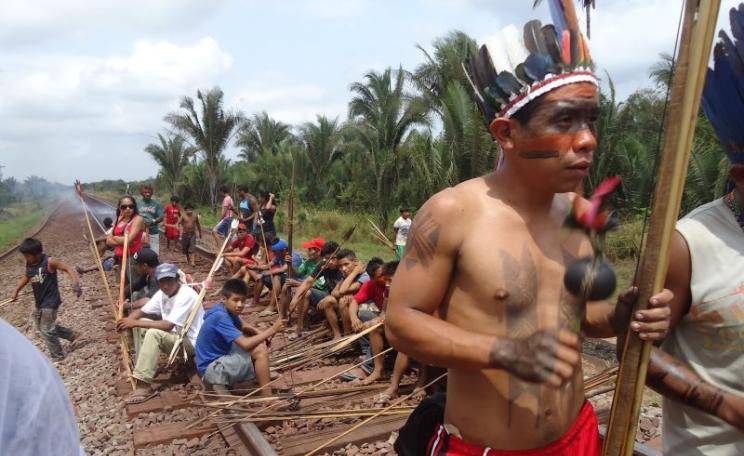
A proposed $30 billion railway line linking the the Peruvian and Brazilian coasts threatens devastation to forests and indigenous tribes that lie along its route, and will add to wider pressures on land and forests.
It's not just western corporations that are moving into large-scale agribusiness in Ethiopia, writes Mohammad Amir Anwar. Indian investors have acquired rights to some 6,000 sq.km of land much of it in the ecologically sensitive Gambela region, where unconsulted Nuer and Anuak peoples are suffering from forest clearance.
The Atlantic rainforest of Brazil is a biodiversity treasure, writes Miranda Dyson - as exemplified by the discovery of seven minute and beautiful frogs. But with the forest already reduced to under a tenth of its original extent, and going fast, they and countless other species may not survive much longer.
Today UK campaigners against burning biomass for power will deliver a 110,000 signature petition to DECC to protest at government subsidies for the practice. But in this 'Right of Reply' article Matthew Rivers, chairman of Drax Biomass, argues that biomass combustion is sustainable, benign, and helps to conserve forests worldwide.
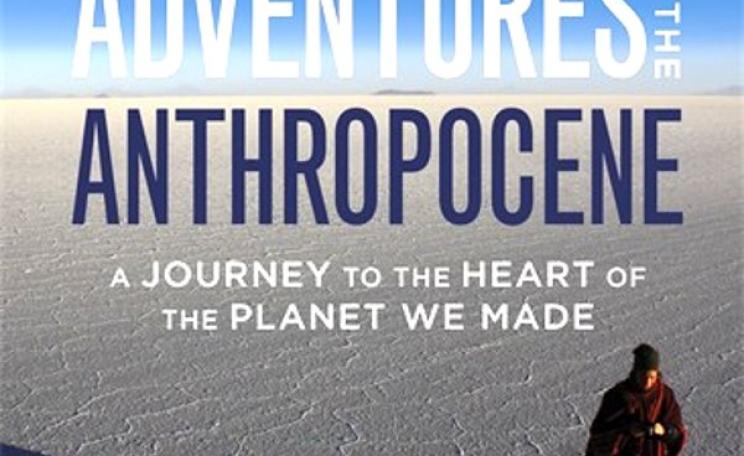
Gaia Vince's remarkable book is far more than a litany of the problems of global warming and mass extinction, writes Robert Hunziker. It's also an inspiring account of how people can respond to such crises in wonderful, imaginative, creative ways, achieving seemingly impossible tasks from seeding glaciers in the Himalayas, to holding back the desert with dew.
Industrial logging in the world's second largest rainforest is out of control, writes Raoul Monsembula, and spells disaster for both wildlife and forest people. There is an alternative: community forestry has just been enshrined in law. But resources must be committed to law enforcement in Congo and abroad, and to empowering forest communities.
Forest foods are a vital source of nutrition for millions of people, writes Bhaskar Vira, and we need to make them an even bigger part of our diets for the sake of health, biodiversity, local economies, and to increase food global security in a warming world.
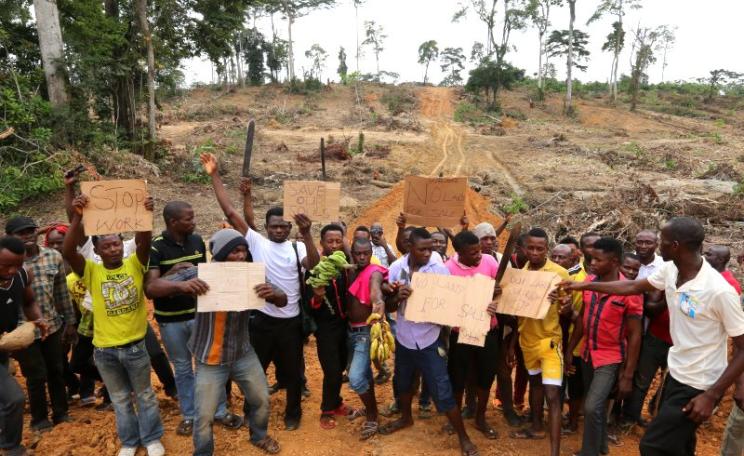
With the deadline due this year for the full implementation of Wilmar's 'No peat, no deforestation, no exploitation' promise, the oil palm giant is keen to push its green image in Europe. But for communities suffering its land grabs in Nigeria, nothing has changed. While Wilmar spins green rhetoric, its bulldozers are still destroying vast swathes of forest and farmland.