A climate negotiators gather in Paris for COP21, the WMO say that a combination of human and natural causes will make 2015 temperatures the hottest ever - half way to the 2C 'safety threshold'. But despite the ever falling price of solar and wind, many newly industrialising countries are insisting on coal-fired development.
As negotiators from around the world gather in Paris for what's hoped to be a groundbreaking climate summit, many will be surprised to discover that COP21 is funded by some of the world's biggest coal burners, writes Pavlos Georgiadis, and a leading financier of coal and tar sands development. Shouldn't we just ... kick them out?
The 'Autumn Statement' delivered with such aplomb by the Chancellor is yet another attack on the UK's sustainable future, write David Lowry & Oliver Tickell - cutting energy efficiency funds just as tens of thousands are set to die of cold this winter, betting £250m on pointless nuclear research, and raiding the renewables budget to fund subsidies to nuclear power and fossil fuels.
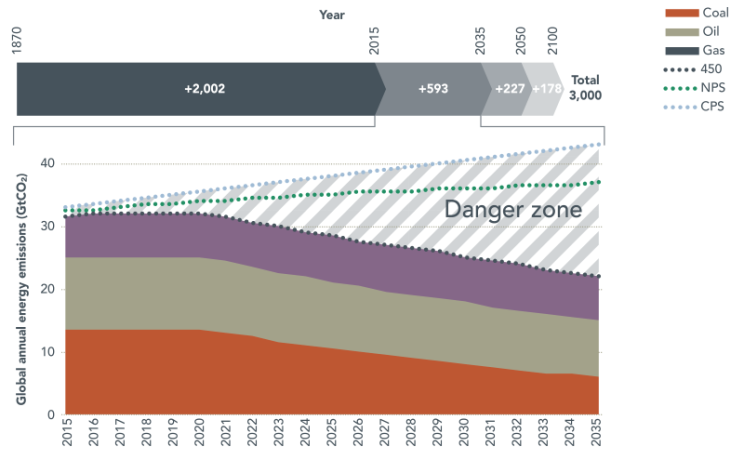
A new report warns that coal, oil and gas assets will be stranded if the world is to limit temperature rise to 2C. Losses are projected to reach $2.2 trillion over the next decade, with coal taking the biggest hit, while oil demand peaks in 2020. Yet fossil energy companies are ignoring the very innovations that will put them out of business.
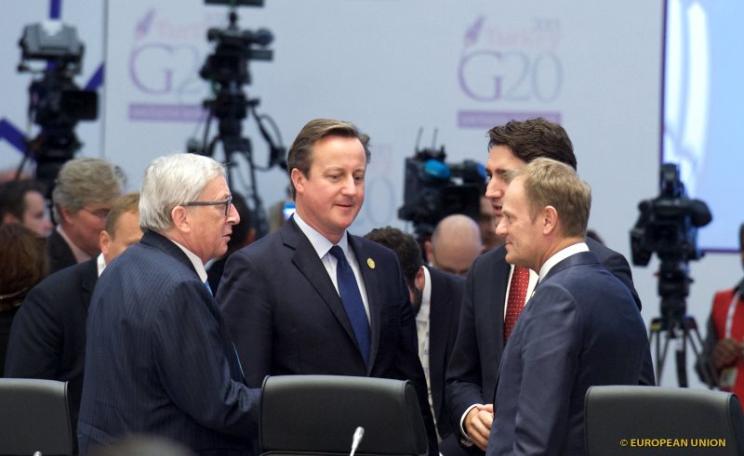
In the run-up to the COP21 climate summit in Paris the G20's Antalya Communiqué is weaker on climate, fossil fuel subsidies and support for renewable energy than the G20's 2009 Pittsburgh Statement made shortly before the failed COP15 in Copenhagen six years ago.
The government's policies on climate, energy and industry are not merely stupid, writes Alan Simpson. The repeated cuts to renewables and energy efficiency, combined with limitless largesse to fossil fuels, has reached the point of insanity in the face of the UK's legal obligations and the growing climate crisis. Only we, the people, can end the madness.
The president of Burma has decided that coal is the way to future wealth and prosperity, write Carole Oudot & Matthieu Baudey. But if the experiences of farmers and village people near Tigyit, site of the country's biggest coal mine and coal-fired power plant is anything to go by, it will bring only poverty, pollution, ill-health and land grabs to rural communities across the country.
Ecotricity boss Dale Vince has accused the government of rigging the electricity market, writes Alex Kirby, by showering fossil fuels and nuclear power with huge subsidies, while taxing renewables and insisting they must 'stand on their own two feet'.
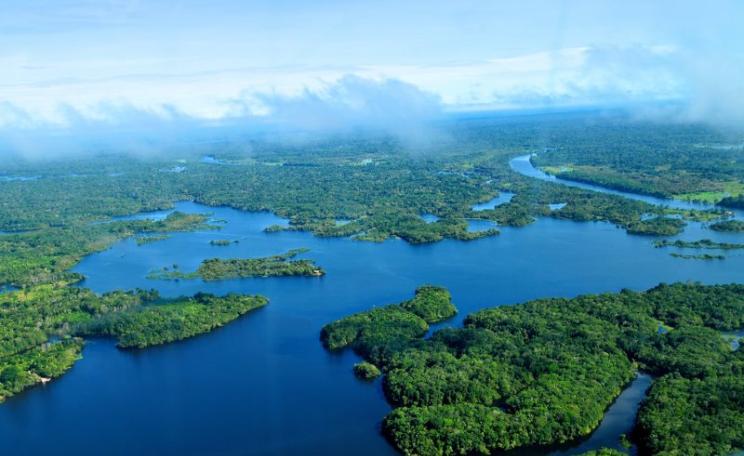
Brazil is about to auction hundreds of fracking blocks across the country - extending deep into the Amazon forest including the territories of remote and vulnerable indigenous peoples. Registered bidders include BP, Shell and ExxonMobil.
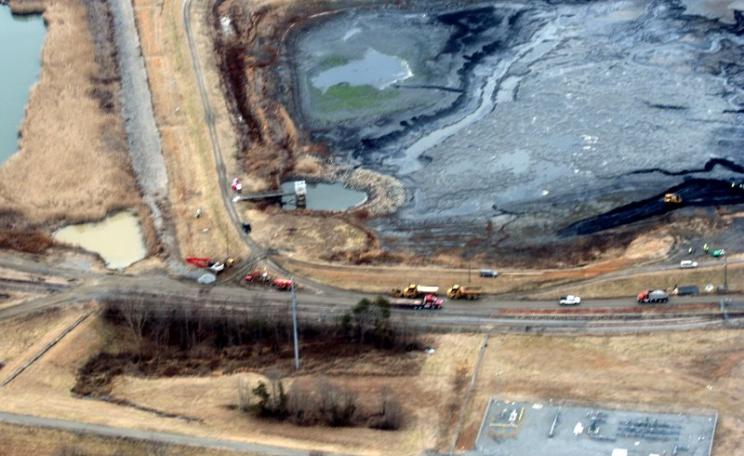
America's coal-fired power plants produce 140 million tons of ash a year, reports Ben Whitford, most of it dumped in open storage ponds that contaminate drinking water with arsenic and heavy metals. And now Presidential candidate Jeb Bush is promising to scrap 'new and costly' (actually feeble) EPA regulations before they have even been implemented.
VW's pollution cheating has caused thousands of premature deaths, write Mike Berners-Lee & Chris Goodall, creating costs that could destroy the company's entire shareholder equity. But this is no 'Black Swan' event. It is an early example of the existential threat to the fossil fuel economy.
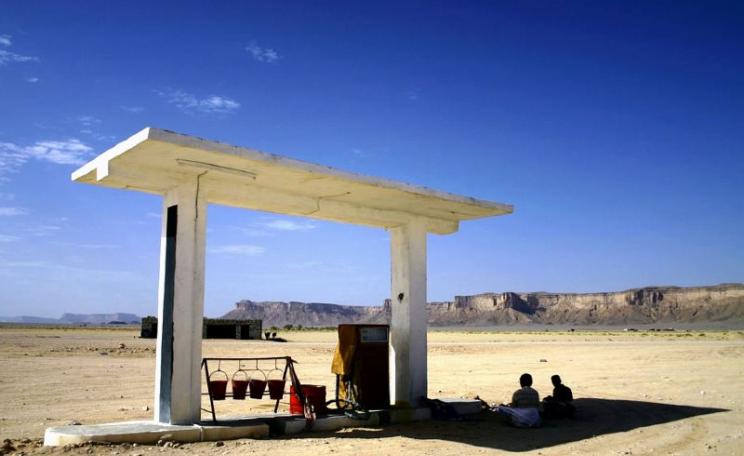
There's a plan afoot in Yemen, writes Martha Mundy, but no one is telling you about it. It's a plan so big that a country of 20 million people has to be starved and bombed into total submission, yet the world is indifferent. Yes, its oil. Lots of oil, and gas too, and lakes of fossil water, all lurking beneath the desert sands of the Arabian peninsula. How do we know? Because they told us.
UK local authorities have £14 billion invested in fossil fuels, campaigners revealed today. Now they should re-invest it in solar energy, new housing and other areas that generate local and global benefits - as well as providing better security for pension holders.
The UK government and its Chancellor George Osborne are grossly misleading the public over the relative costs of renewable energy and nuclear power, writes Oliver Tickell. Osborne's claim that nuclear is the 'cheapest low carbon technology' is the very reverse of the truth. He and his nuclear plans must be stopped.
Pledges by investors to divest from fossil fuels have soared to $2.6 trillion - 50 times more than a year ago. 'Now is the time to divest', says Leonardo di Caprio, one of the latest to join the movement, which even includes Newcastle, Australia, home to the world's biggest coal port.
While other countries apply themselves to environmental challenges from climate change to nature protection, Russia - with its massive wealth of nature and natural resources - is stubbornly refusing to take part, writes Lucy E J Woods. And as the economy declines, the pressure is on: to ignore environmental regulations, and clamp down on environmental defenders.
Scientists warn that burning up the planet's remaining fossil fuel would cause all Antarctic ice to melt and lead to 58m of sea level rise over 10,000 years, writes Tim Radford. But devastating impacts would strike much sooner, with oceans rising by 3m a century for the next millennium.
Nuclear power advocates cling like limpets to the idea of 'baseload' power, writes Michael Mariotte. No surprise there - it's the only selling point they've got. It's just too bad the idea is obsolete. Variable renewables combined with stronger grids, energy storage and responsive demand can do a better job for less money. No wonder the shills are getting desperate.
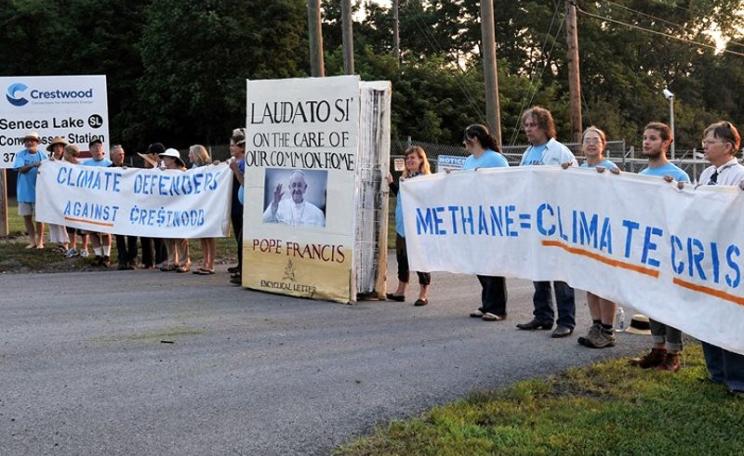
Protests against plans to make an enormous storage site for fracked gas at Seneca Lake in New York state seven times bigger are gathering pace, writes Ashoka Jegroo, with 13 arrests at a gate blockade last week. But is the company, Crestwood, getting the message?
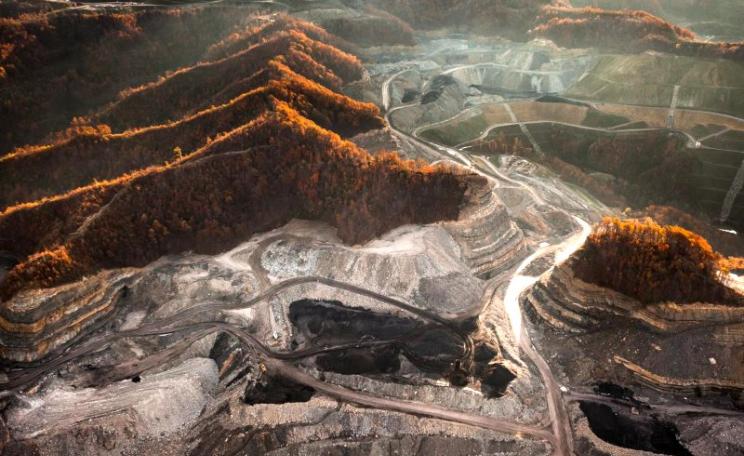
Last weekend Toni Belly was occupying Germany's biggest open cast coal mine in the once lovely Rhineland area, one of thousands of protestors from 350.org and other groups determined to shut the operation down. Nursing his bruises and eyes still sore from pepper spray, he set down his account of an unforgettable day of action.
There's one big thing that Britain's biggest banks could do to reclaim their grievously impaired reputations, writes Greig Aitken: commit to stop investing in coal projects. As well as reducing climate change and local environmental impacts, it would also 'de-risk' their balance sheets as the global tide, from the US to China, turns against the dirty, carbon-heavy fuel.
Coal companies and their 'sceptic' shills have almost given up on denying climate change, writes Brendan Montague. The new message is that coal is essential ... to end world poverty! And those who advocate climate action are 'harsh, cold-hearted' beasts. The one thing that hasn't changed? It's all lies.
Breaking a clear pre-election promise, the government will allow fracking to take place in the UK's most precious wildlife sites and in vital groundwater source areas, writes Adam Vaughan.
Next month is the time for green activists to get together in the glorious Peak District, coordinate future actions on everything from fracking to road-building and climate change ... and of course, share the love, writes Indra donFrancesco, Yes, it's the Earth First! summer gathering, and there's never been stronger reasons to go.