The 1865 Treaty of Point Elliot is clear, writes Jan Hasselman: the Lummi Nation has the right to fish, hunt and gather in their accustomed places in perpetuity - and they can't do that if a gigantic coal terminal is built in the Salish Sea's most productive waters. First Nations' treaty rights are now central to protecting the Pacific Northwest from destruction by fossil fuels.
Just when the UK's government might want to be boosting its green credentials it has chosen to do the precise opposite, writes Steffen Böhm: giving tax breaks and subsidies to oil and gas, while attacking renewables and energy efficiency. We must unite to oppose these destructive and short-sighted policies
Caerphilly councillors yesterday refused permission for a huge open cast coal mine in South Wales that's fiercely opposed by local people furious at its impacts on air, landscape, tranquillity and climate, writes Guy Shrubsole. Coming so soon after the rejection of fracking in Lancashire, the message is clear: fossil fuels are best left safely underground.
The secretary general of the OECD group of the world's 34 richest nations has issued a dramatic plea to its members to act now to end 'unabated coal' burning, writes Alex Kirby, and invest in renewables around the world to prevent climate disaster.
In a dramatic decision this morning, Lancashire county councillors voted 9:3 to reject Cuadrilla's planning application to frack at Preston New Road, defying the warnings of their own planning officers.
Independent legal advice shows that Lancashire councillors can refuse Cuadrilla's application for planning permission to frack at the Preston New Road site in Lancashire - contrary to advice from the Council's officers.
As Lancashire councillors prepare to decide the planning application to frack in the county, writes Kyla Mandel, the UK's transparency watchdog has ordered the government to publish in full a report on the impacts of fracking, previously published only in a heavily redacted version.
The previous government came in on a bold promise to be the 'greenest ever', writes Jonathon Porritt. But what we got was a shameful record of ideologically driven policies that promoted fossil fuels, undermined action on climate, obsessed over nuclear power, did nothing to arrest the decline in the nation's wildlife and biodiversity - and suggest even worse to come.
The Government is struggling to spin its policy to fast track fracking, writes Paul Mobbs. So as it cuts the public out of the regulatory process, exempts exploratory wells from controls, and forces the Environment Agency to issue permits with 1-2 weeks, its spin machine has resorted to outright lies and misinformation to conceal the scale of the attack on our environmental rights.
China's success in driving down its fossil fuel burn will raise chances of a success at this year's Paris climate talks, writes Kieran Cooke - but first the world must appreciate the changes China is making, and how clean energy is catalysing a broader economic transformation.
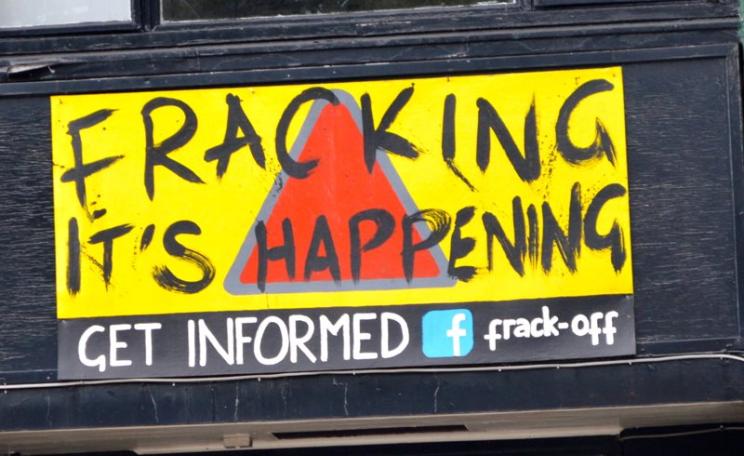
As Lancashire planners come out in support of the UK's first fracking well, Jojo Mehta has something to celebrate: the resounding success of the 'What does FRACKING mean?' leaflets she crowd funded for in April. So far 80,000 have gone out to campaigners and volunteers all over the UK, and requests for more are piling up.
The Midwest's largest ever anti-tar sands demonstration took place in Minnesota last weekend, writes David Goodner, cementing a new alliance of diverse communities united in resisting the pollution and destruction of tar sands exploitation, processing and transportation.
Norway's sovereign wealth fund, worth over $900 billion, has today announced that it will divest from coal, a move expected to force the sale of investments worth $13.3 billion. Campaigners say that other funds have now 'run out of excuses' not to follow suit.
The Apollo Programme proposed this week to make renewable energy cheaper than coal through technological advances is welcome, writes James Dyke. But the real problems are political, not technological. Unless we back the Apollo vision by challenging the power of fossil fuel companies, it can never succeed.
An ambitious plan to make a wholly renewable energy system cheaper than fossil fuels within a decade has been launched today and is set to receive its first hearing at the G7 Summit in Germany next week.
The fossil fuel industry and its political backers have been left reeling by an unprecedented series of direct action strikes against targets across the country to protest at continuing investment in and official support for fossil fuels, inaction over fuel poverty and the systematic neglect of renewable energy despite the global climate emergency.
Emails released by the Science Museum show that Shell pressed its case to Museum staff to deny NGOs the opportunity to open up a debate on the company's operations in connection with an exhibition it had sponsored on waste and climate change, writes Terry Macalister.
Emboldened by the Tory election victory and the appointment of Amber Rudd as energy Secretary, writes Ben Lucas, planning applications to frack have been coming in thick and fast - even in densely populated London boroughs.
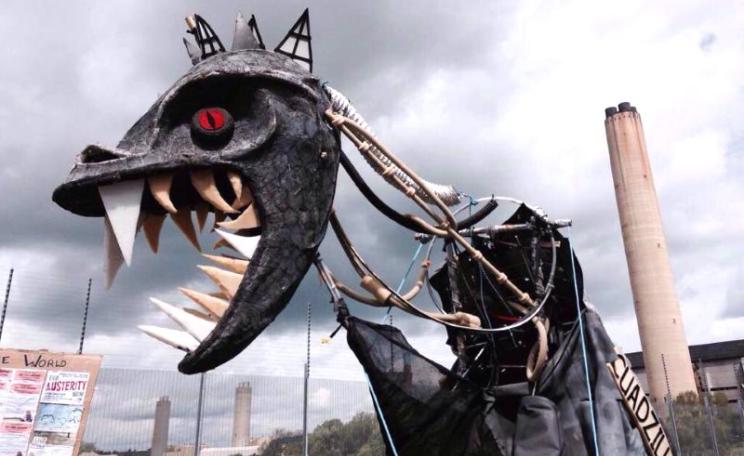
Hundreds of campaigners are gathering at Didcot Power station in Oxfordshire to demand a green energy future - and an end to the Government's relentless push for fossil fuels and nuclear power, writes Diêgo Lôbo. Preparations are under way for a series of actions due to take place tomorrow, Monday 1st June.
Mainstream energy analysts cling firmly to the belief that fossil fuels will attract the lion's share of world energy investment for a long time to come, writes Michael Klare. But there are four compelling reasons why they are wrong. The renewable revolution is under way, and has already gathered an unstoppable momentum.
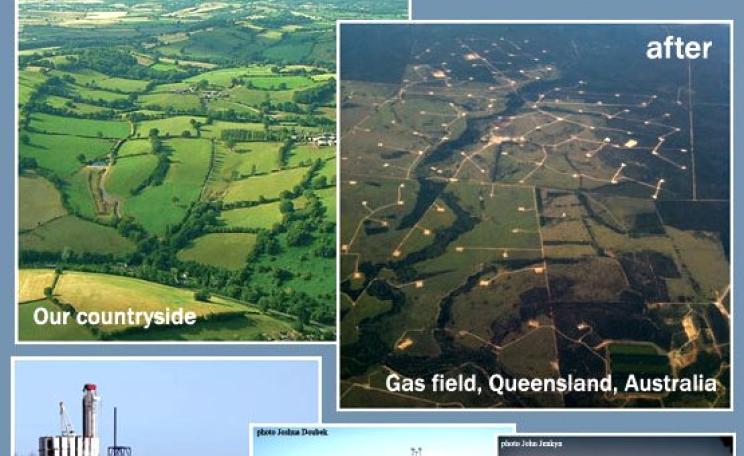
The fracking boom has caused massive vegetation loss over North America's rangelands, writes Tim Radford, as 3 million hectares have been occupied by oil and gas infrastructure and 34 billion cubic metres of water have been pumped from semi-arid ecosystems.
Tesla Energy's new mains power battery has just transformed the energy market - giving a huge boost to small scale renewable energy and killing off both fossil fuelled and nuclear power in the process.
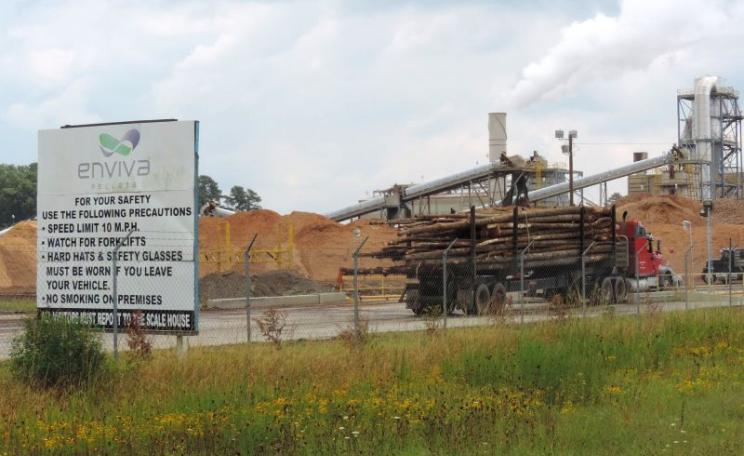
Hundreds of millions of pounds meant to be spent on green energy will soon be lavished on Britain's biggest coal fired power station to reward it for burning 7 million tonnes of wood pellets a year - meant to be 'renewable' but actually driving biodiversity loss and even worse for climate change than coal. DECC must stop this madness!
Hopes of strengthening Britain’s energy security are often pinned on the fossil fuel industry says Vicente López-Ibor Mayor, as exemplified by the hysteria over the claimed 'discovery' of 100 billion barrels of oil beneath Gatwick airport. But the real long-term solution lies with abundant and ever cheaper decentralised renewables.