Nicola Sturgeon secretly met with pro-fracking firm Ineos on the very same day that Scotland announced its shale gas moratorium, writes Kyla Mandel - giving rise to fears of a under-the-table stitch-up.
A deal to give up 500,000 acres of public lands in Utah to the tar sands industry in return for 1.5 million acres of industry is a sacrifice too far, writes Alexander Reid Ross, as it disclaims the wider costs of massive water use and contamination in the headwaters of the Colorado River, already seriously stressed by drought.
After over a century of coal ash and colliery waste dumping, the Tyne and Wear coastline is no stranger to industrial pollution. But soon a horrific new technology - underground coal gasification (UCG) - will endanger human health and the environment, backed by unflinching Government support and generous lashings of taxpayers' money.
The Guardian Media Group is to divest its £800m fund from fossil fuels over five years. The terms of its promise appeared to leave the door open to natural gas and fracking, But GMG now insists that it aims to ditch all fossil fuels within five years.
Univerisities' core mission is one of civilization and enlightenment, and that's incompatible with investing in fossil fuels that pose an existential threat to humanity and the planet, writes Cutler J Cleveland. It's is also financially prudent for for them to avoid sinking capital into future 'stranded assets' of unburnable carbon.
Edelman, the global PR group, has a history of aggressive 'consent engineering' for the fossil fuel industry in North America, writes Paul Mobbs. So what are they doing running 'impartial' UK bodies including a Parliamentary group on unconventional oil and gas, and the 'independent' Task Force on Shale Gas? Are they really US-style 'astroturf' bodies designed to fool us all?
Mining corporations, politicians and big NGOs are meeting in London today to plan the future of extractive industries in Africa, write Nnimmo Bassey & Sheila Berry. Absent African civil society and impacted communities, delegates are setting an agenda for 'resource-led development' that will cook the continent in the greenhouse gases of its plundered oil, gas and coal.
A new coal and biomass-fired power station could soon be built at Drax in Yorkshire, already the UK's biggest coal burner, writes Almuth Ernsting. It comes with a weak promise of possible 'carbon capture and storage' - an expensive, inefficient technology shunned elsewhere. As the Government's nuclear dream fades, could this be its equally flawed replacement?
Indian coal firm Adani is struggling to finance its proposed mega coal mine in Australia's Galilee Basin, write Marina Lou & Christine Ottery, as promised government support evaporates and a major investor looks set to pull out.
Deep in the Algerian Sahara, the oasis town of Ain Salah is a focus of opposition to a new wave of fracking, with violent confrontations between police and up to 40,000 protestors, writes Alexander Reid Ross. They have two main concerns: preventing pollution to the aquifer that sustains them, and keeping out foreign oil giants like Total and Halliburton.
Members of the London Assembly yesterday voted for the London Pension Fund Authority, worth £4.8 billion, to ditch all its fossil fuel investments over a 5-year period. The vote is non-binding, but the huge 15-3 margin puts strong pressure on London Mayor Boris Johnson to follow through.
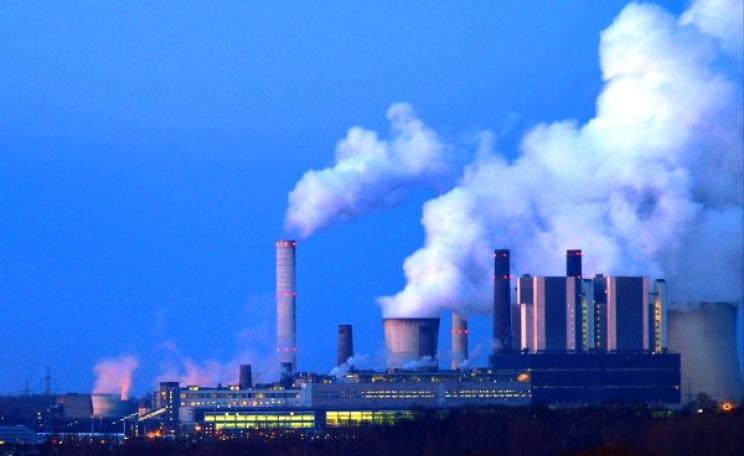
Coal is Europe's biggest source of mercury and sulphur pollution, writes Kyla Mandel, killing tens of thousands of people a year. So how come more than half the members appointed by EU governments to set air pollution standards for coal plants are industry representatives?
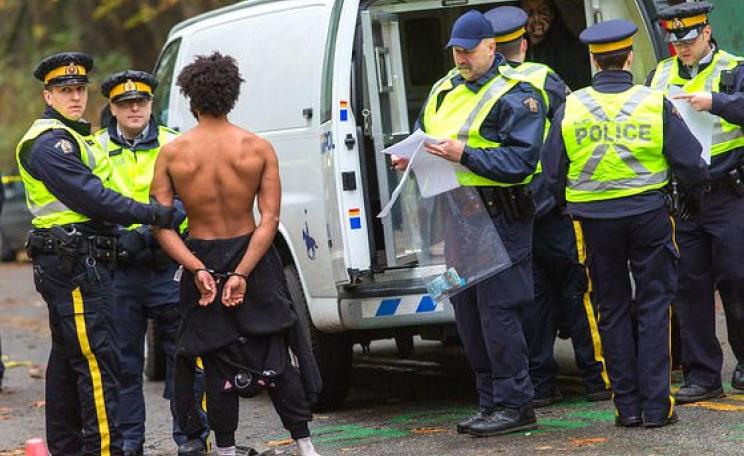
Canada's 'Anti-Terrorism Bill' proposes a massive increase in the power of security services, writes Pete Dolack - and in the crosshairs are campaigners against a tar sands industry that's intent on releasing 240 billion tonnes of CO2 into the atmosphere, and those fighting the pipelines needed to get the heavy crude to market. Who are the real 'extremists'?
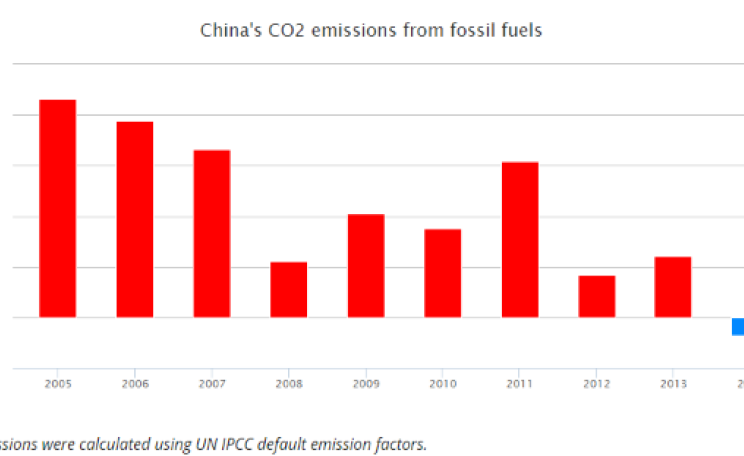
China has just recorded its first fall in emissions from burning fossil fuels in 15 years, writes Lauri Myllyvirta. The sharp decline has surprised analysts, and reflects the fast growing proportion of renewables in the country's power supply.
Montana legislators have brushed off the attempts of farmers, ranchers and landowners to effect 'zoning' regulations to protect them, their land, their water and their livestock from the toxic impacts of fracking. Now they say: 'See you in Court!'.
India's renewable power capacity is set to reach 170GW by 2022, write Areeba Hamid & Oliver Tickell - reducing power shortages and bringing electricity to off-grid of rural communities for the first time. But it may also have an unintended consequence - cutting off investment in India's troubled coal sector as prospects for future profitability evaporate..
A powerful call has gone out the the US Export-Import Bank not to finance a massive coal mine, railway, port terminal and dredged 'canal' through Australia's Great Barrier Reef with $1 billion in loans and guarantees.
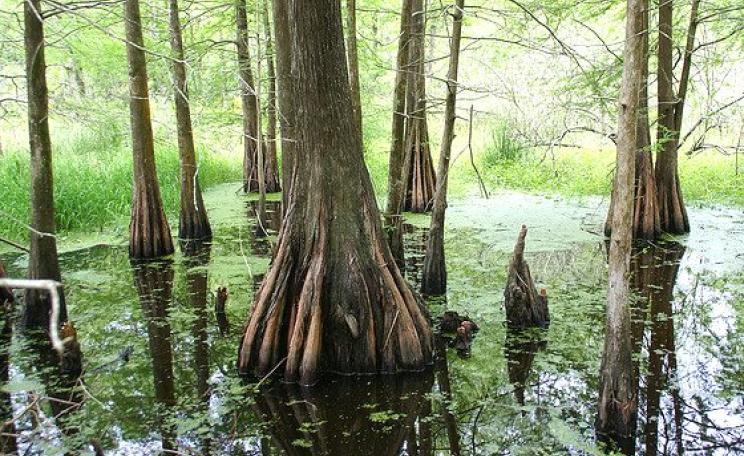
The oil and gas industry has admitted that its canals and drilling rigs have destroyed 1,900 square miles of coastal wetlands on the US Gulf Coast, but a Federal Judge with deep industry ties has ruled that 97 companies off have no liability for the $50 billion damage.
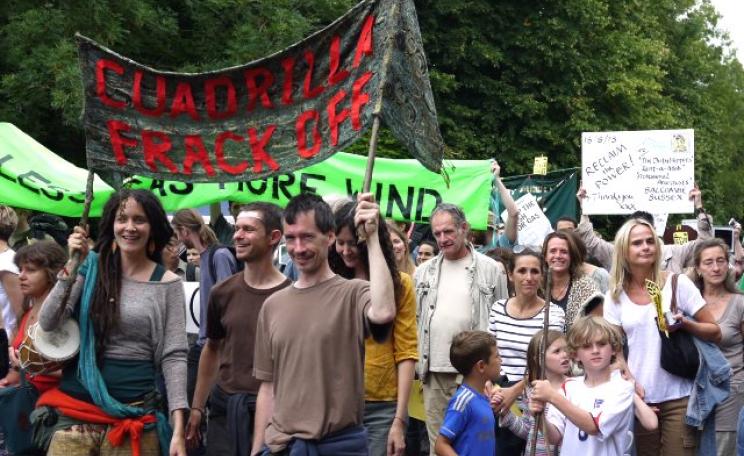
The UK fracking company Cuadrilla has collapsed in value as a result of falling oil and gas prices, popular protests and growing political opposition, writes Brendan Montague. Now investors are having to write off hundreds of millions they sunk into the industry.
The latest version of the Infrastructure Bill released today has been amended to avoid defining the areas that will be protected from fracking, leaving that to 'regulations' to be pushed through after the general election. So if the Tories win, get ready for fracking everywhere!
Faced with climate change, economic doldrums and collapsing oil prices, the government has the perfect opportunity to put Britain on the right track, write Simon Bullock & Tony Bosworth - reduce our dependency on fossil fuels, and invest in renewables and efficiency. So what's it actually doing? The exact opposite.
North America's environment campaigners face a fearsome enemy in the 'Big Club', writes Alexander Reid Ross - the nexus of fossil fuel and infrastructure corporations, government, militarized police, private security contractors, PR agencies, astroturf NGOs and quasi-judicial bodies. But the activists are winning key victories in their battle to halt the industrialization of Cascadia.
In the face of environmental atrocities like the recent spill of crude oil into the Yellowstone River, writes Grant Mincy, quiescence be damned! To stop more of the same, we must reclaim from the corporate-captured state the rights of commons and community to decide on how local resources are used.
The lesson of fracking in the US and Canada is a simple one, writes Naomi Klein. The fracking industry is vicious, brutal and will stop at nothing to get its way. British anti-frackers can celebrate yesterday's achievements - but the fight ahead will not be an easy one.