Oil giant BP is the UK's single biggest EU lobbyist, spending over £2 million reaching out to European policy makers in 2014, new figures show. But citing hard times, the company has dropped its controversial sponsorship of the London's Tate Galleries - and more such branding deals may bite the dust.
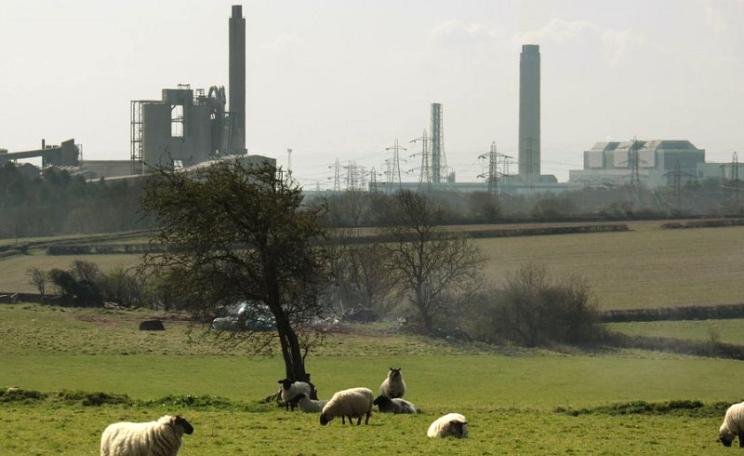
Wales should lead the UK in bringing an end to the entire coal industry from opencast mining to highly polluting power stations, writes Gareth Clubb. A new report by Friends of the Earth Cymru shows the Aberthaw plant alone imposes social and environmental costs of nearly £1 billion per year on the country and global climate.
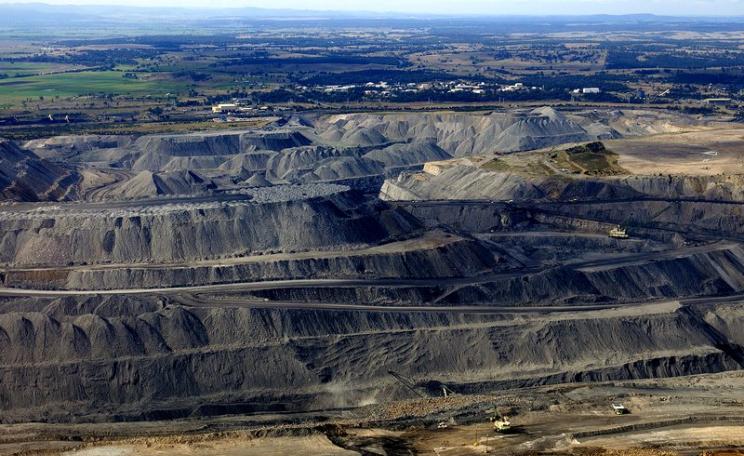
A tangle of undercapitalised companies are coming forward to cash in on old deep coal mines in Wales, writes Guy Shrubsole - by digging them all out from above from huge open cast pits. But local communities, alarmed at the noise, pollution and destruction of landscape, increasingly see coal as an industry that's best consigned to the scrapheap.
The attempt by the US Supreme Court to stall the White House Clean Power Plan is being thwarted on the ground, writes Linda Pentz Gunter. The numbers show that new renewable energy installation around the US is outpacing even natural gas - leaving coal in the dust, and new nuclear at a big round zero.
The government makes bold claims about tackling climate change and phasing out coal power stations, writes Guy Shrubsole. Yet it's 'relaxed' about two huge new coal mines that would produce ten million tonnes of coal, blighting landscapes and afflicting the health of vulnerable communities. It's time to say no to all onshore fossil fuel production.
The ever-falling cost of renewable energy could leave investors in coal, gas and oil seriously out of pocket as demand for fossil fuels falls away, writes Paul Brown. In the wake of the Paris Agreement and shrinking markets in major importing countries, the smart money is moving into renewables.
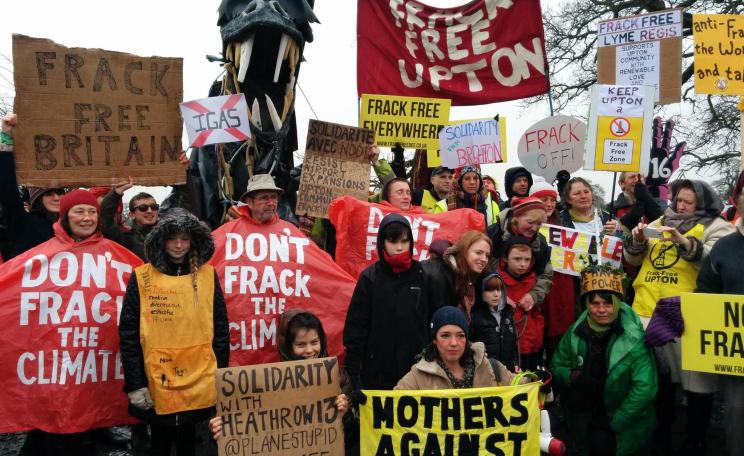
Whether you're fighting fracking, coal mines, new roads or a third Heathrow runway, next weekend's Earth First! Winter Moot is for you, writes Louise Somerville Williams. Campaigners and activists from across the UK and beyond will gather in Stroud to build common strength in our struggle against ecological destruction, and to work for a world of social and environmental justice.
The government is set to ban local authorities and their £14 billion pension funds divesting from companies they deem unethical, writes J W Bode. The law will specifically forbid divestment from fossil fuels - and that could put the pensions of future public sector retirees at risk.
As Cuadrilla's application to frack in Lancashire goes to public inquiry today, protestors from Greenpeace have installed a full-size 'fracking rig' in Parliament Square, London, complete with flare and deafening sound effects, to let MP's know just how great it is to have a fracking well on your doorstep.
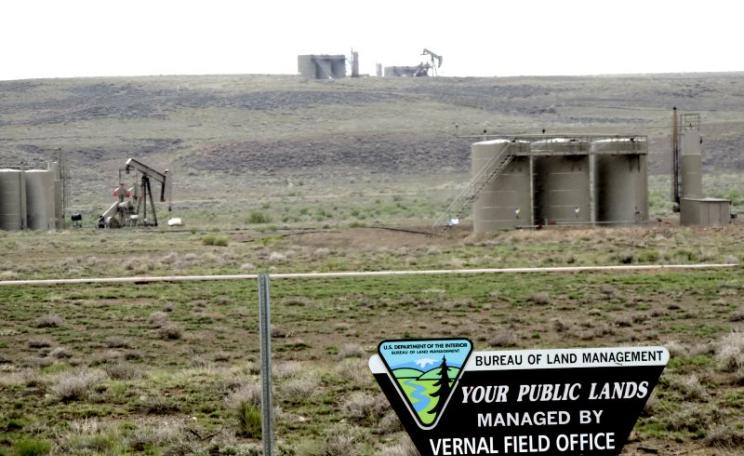
Now that the US is signed up to ambitious Paris targets to limit warming, it too must play its part in keeping fossil fuels under the ground, write leading US campaigners. So let's make an immediate start by halting all new federal oil and gas leasing on public lands pending a full climate and environmental impact study.
The massive methane leak at Aliso Canyon in California tell sus everything that's wrong with fossil fuels, writes Pete Dronkers: toxic, under-regulated, unsafe, and climate destroying. But the catastrophe also brings us a timely message: this is the time for the California, the US, and the world, to begin a rapid transition away from fossil fuels and into our clean, green, renewable future.
The Paris Agreement provides a clear mandate to limit global warming, writes Jeremy Brecher. And with governments doing nowhere near enough, it's up to ordinary citizens - through civil disobedience if needs be - to make sure the world breaks free from fossil fuels. Let's make 2016 the year of 'Climate Insurgency'!
Renewable energy could supply Russia and Central Asian countries with 100% of their electricity needs by 2030, writes Paul Brown - and cut costs significantly compared to nuclear power and CO2-abated fossil fuels.
The government's decision to cut support for domestic solar by 64% reflects antiquated thinking, writes Doug Parr. Just as the rest of Europe is shifting to ever-cheaper renewable, low carbon, decentralised, participatory, employment generating energy systems, the UK is stuck in a the dirty past of nuclear and fossil fuels.
New regulations that will allow fracking under national parks, water sources and nature sites won the approval of MPs today in a Commons vote, write Kyla Mandel & Oliver Tickell, even though four Tory MP's rebelled against the party whip. But the new rules won't apply in Wales and Scotland.
The impact of the Paris Agreement on leading rating agency Moody's assessment of the world's fossil fuel companies is ... nothing at all. The one change is in Europe, where thermal generators have a worsening outlook, and renewables are 'credit positive'.
The Paris climate agreement contains plenty enough to get fossil fuel companies and exporters worried about their future, writes Kumi Naidoo. But it is lacking is in the mechanisms to deliver its aspirations. That's why the global climate movement has to escalate its fight against the carbon bullies, and for climate justice.
Campaigners at COP21 in Paris are calling for a new 'upstream' carbon tax to be levied on fossil fuel producers, writes Henner Weithoener, and so send a clear market signal and finance poor countries' compensation for 'loss and damage' caused by climate change.
Coal prices are in terminal decline, writes Kyla Mandel, oil giant Statoil is calling for the strongest possible agreement, and the world's energy bosses are planning for a decarbonised future. COP21 is marking the definitive tipping point in the demise of fossil fuels.
As COP21 reaches its endgame, there are plans to build 2,440 coal-fired power plants around the world, write Mowdud Rahman & Greig Aitken. Their completion would send global temperatures, and sea levels, soaring. Yet Bangladesh, the world's most 'climate vulnerable' large country, has plans for a 1.3GW coal power plant on the fringes of its World Heritage coastal wetlands.
Investigative reporters working for Greenpeace UK's Energydesk have uncovered a nexus of senior academics willing to accept large sums of money from fossil fuel companies to write reports and newspaper articles published under their own names and university affiliations, without declaring the funding. Lawrence Carter & Maeve McClenaghan spill the beans ...
Paris has been awash with hype about 'CO2 recycling' and 'carbon neutral' or even 'carbon negative' technologies based on burning millions of trees, writes Rachel Smolker. But the alchemical notion that waste carbon can be spun into corporate gold is hitting serious reality checks. It's time to ditch the fantasies and progress the real solutions: like caring for land, soils, forests and grasslands.
On Monday Cameron was waxing lyrical on climate change at COP21 in Paris, writes Natalie Bennett. But his true colours will be revealed tomorrow as a long established anti-fracking camp in Cheshire is set for eviction: all part of the plan for a new generation of gas-fired power stations that will blow the UK's emissions targets.
The theme at COP21 today has been the urgent need to cut fossil fuel subsidies that favour dirty energy over renewables, writes Tony Juniper. Sadly the UK is setting all the wrong examples - ramping up its spending on fossil fuels, while slashing its much smaller renewable energy budgets.