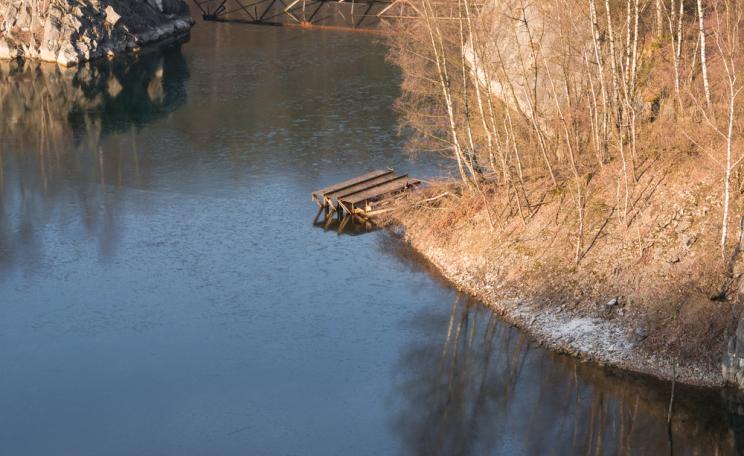
How do you solve the problem of ‘retired' mine pits aka huge abandoned holes in the ground? Turning them into lakes is a popular solution but maybe not the best one says ANICA NIEPRASCK who should know since she grew up in the Lausitz region of Germany in a community surrounded by these massive, dangerous and polluting land holes
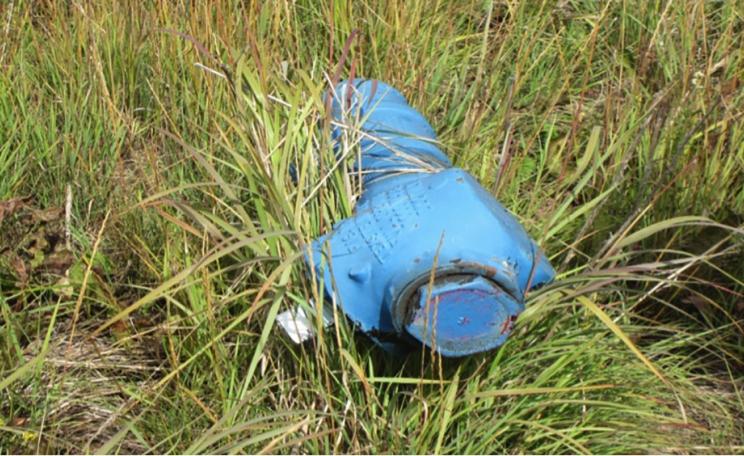
A new report about to be released shows methane leaks from active and abandoned wells in British Columbia are more than twice as high as government estimates making them more polluting than commercial transportation, writes ANDREW NIKIFORUK
The cyclists of the Tour de France may not set off until next week but in Kenya a group of young people have taken to their bikes to raise awareness about the power of sustainable energy ahead of the country's general election on August 8.
JOE WARE reports
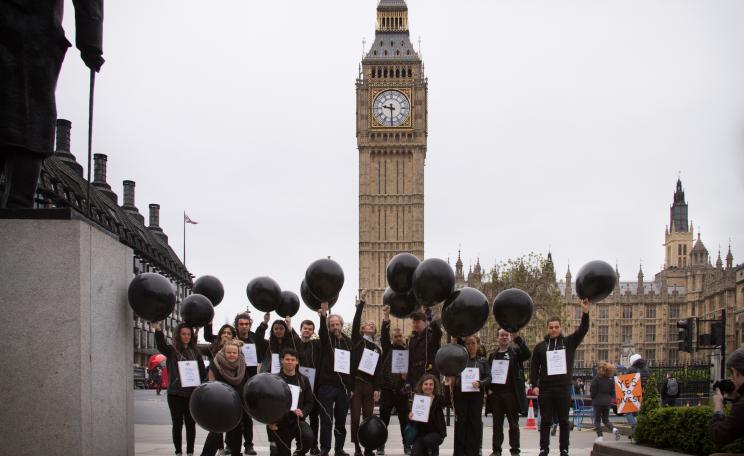
As we wait to learn whether (later today) Trump will pull the US out of the Paris Agreement, Remo Bebié of Finance Dialogue shares his briefing report of the what is being seen as growing demands that oil companies incorporate the international deal in their business models
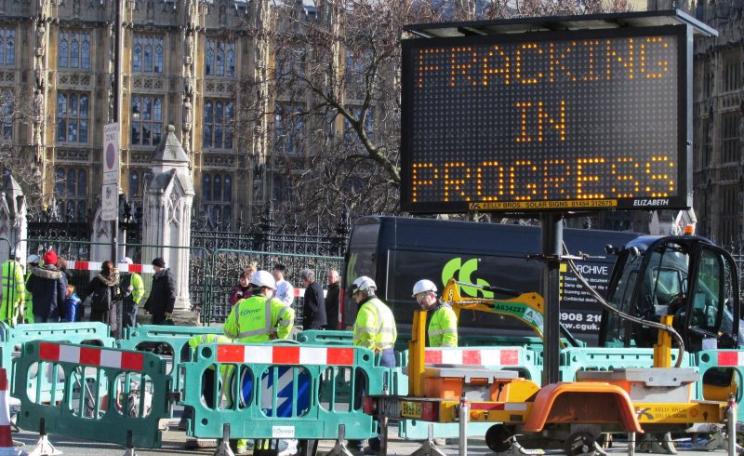
The UK government claim that fracking is a 'clean' energy source rests on the conclusions of a single scientific paper, writes Paul Mobbs. And now that paper has been conclusively invalidated: it uses misleading figures that understate the methane emissions from fracking, and subsequent findings have left it totally discredited. Yet the paper is still being quoted to justify fracking, and the fool the public on its climate change impacts.
Between 2011 and 2016 the UK's export finance agency UKEF provided £109m to underwrite exports of equipment to coal mines in Russia, writes Lawrence Carter - despite the agency's commitment not to support 'investment in dirty fossil-fuel energy production'. And that's just a fraction of the £6.9 billion UKEF has lavished on the corrupt, polluting sector since 2000, while it was meant to be backing the clean energy technologies of the future.
With oil prices remaining low, the world's oil industry is facing bleak years ahead, writes Paul Brown. The global push to decarbonise the economy, combined with surging renewable energy and the trend to more efficient and electric vehicles, is denting investor confidence and pointing to the shrinking away of a once mighty and profitable industry.
Since the beginning of the year, increasing efforts by both public and private institutions to reduce their exposure to fossil fuel investments have emerged and over the weekend, UK campaigners further stepped up the pressure in a serious of co-ordinated Global Divestment Mobilisation (GDM) calls for continued divestment. Remo Bebié takes an overview
President Trump's recent executive order could open an area of America's most precious landscapes bigger than Yellowstone to oil drilling and coal mining, write Lawrence Carter & Joe Sandler Clarke. The 27 monuments 'under review' harbour huge volumes of oil, gas and coal: just what's needed to fuel Trump's vision of fossil fuel-led development - never mind the cost to scenery, wildlife, historic sites and indigenous cultures.
Reporting from this month's international climate conference in Bonn - a preliminary to this year's COP23 in November - ARTHUR WYNS explores the glaring conflicts of interests which sees fossil fuel lobbyists in the same room as delegates discussing policy to avert climate catastrophe
Mexico's oil looks set to run out within a decade, writes Jeremy Leggett, and it can hardly rely on Trump's America to make up the difference. But Mexico enjoys abundant sunshine, and the cost of solar power generation is falling fast. Let Trump tie America's economy to debt-financed fossil fuels. Mexico's future prosperity will come from harnessing its inexhaustible solar riches.
The months-old protest at Preston New Road, Lancashire, is no longer just about fracking, writes Mat Hope. This dispute is now about London versus the North. It is about the government failing 'the people' from which it has become detached. It is about people sensing hopelessness and helplessness and trying to find a means to resist. And it is about holding on, steadfast, in spite of it all, knowing this is the forgotten frontline of a far greater struggle.
The mighty Asian Development Bank is celebrating its 50th birthday this week in Yokohama, Japan, writes Hemantha Withanage. But the victims of ADB's $3 billion coal funding have little to be glad of - whether local communities impacted by mines and power stations, or people everywhere suffering climate change. ADB must stop financing coal now!
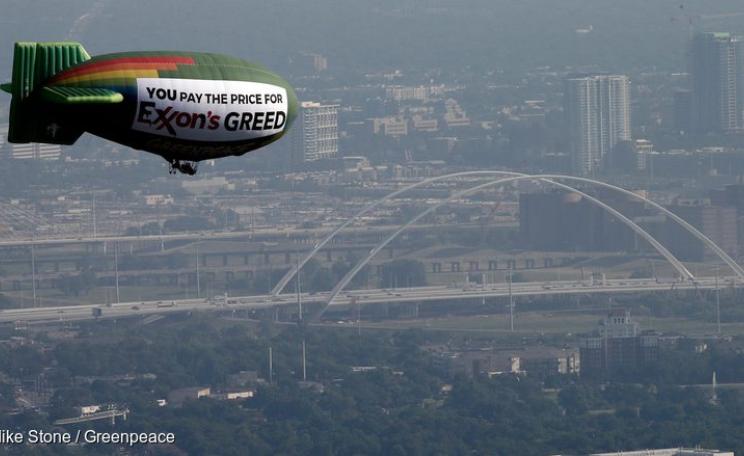
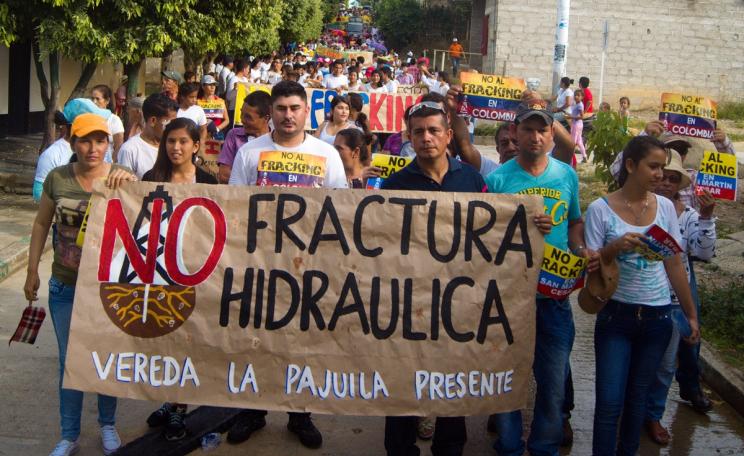
Information from Colombia's National Hydrocarbons Agency shows that at least 43 new fracking concessions have been handed out to multinational companies including Exxon Mobil, ConocoPhillips and Drummond. These concessions affect over three hundred municipalities, in the departments of Cesar, Santander, Boyacá, Cundinamarca and Tolima. SEBASTIAN ORDOñEZ and DANIEL MACMILLEN VOSKOBOYNIK report.
The Indigenous Peoples of Standing Rock are by no means alone in their struggle for the recognition and preservation of their native lands: a very similar story of resistance against oil extraction is taking place further south, and has been going on for almost half a century, namely the fight of the Indigenous people of the Peruvian Amazon against oil pollution and oppression, writes biologist ARTHUR WYNS
In a potentially devastating blow to the Earth's climate, President Trump's new executive order ends the Interior Department's moratorium on coal mining on public land and begins a repeal of the landmark Clean Power Plan, writes Trip Van Noppen. But this reckless move will not pass unchallenged - the Supreme Court has ruled that the EPA must tackle climate pollution, and clean energy policies can still be defended and advanced at state level.
In the second part of his WITNESS blog investigating the dangers of increasing ocean acidification, CONOR PURCELL learns that increase rates are already 10 times higher than at any time in the last 55 million years which, naturally, does not bode well for all ocean ecosystems
So-called 'smart meters' are being rolled out across the UK, writes David Toke, but they don't support the dynamic pricing that's essential to expand renewable energy and decarbonise our electricity. It's time for green NGOs to get campaigning - and not leave vital decisions to a hostile government, a failing regulator and industry insiders.
We must not let President Trump's vocal support for the US fossil economy eclipse the dismal record of his predecessors, writes Radek Stefanski. Under Clinton, Bush and Obama fossil fuels subsidies reached $170 billion per year, pushing up US emissions by some 11% - and that's the real problem we have to solve.
The Alternative Indaba initiated by faith-based groups eight years ago is a forum to discuss alternatives to the mining rush that brought more doom than gloom over the African continent and beyond. JASPER FINKELDEY reports back from this month's forum which called for the mining industry to be made more accountable
President Trump comes into office determined to discard huge swathes of his predecessor's legacy on day one, writes Mark Barteau. But he will struggle to undo Obama's clean energy regulations. It's not just that they are legally robust, it's also that energy markets in the US and the wider world have shifted firmly, and irreversibly, towards efficiency and renewables. Sorry, Mr Trump.
2017 began with bang for Friends of the Earth, writes Tony Juniper, with a hostile media blitz orchestrated by the fracking industry and abetted by the Advertising Standards Authority (ASA). But the storm, over alleged errors in an FoE leaflet about the hazards of fracking, reveals nothing so clearly as the disgraceful conflict of interest at the top of the ASA itself.
Fracking has no social licence in the UK, will contribute little to the economy, will have a huge adverse impact on other sectors, will be a disaster to climate and the environment, and won't even improve energy security, write Peter Strachan and Alex Russell. Do we really want to see 16,000 or more shale gas wells drilled in the British countryside? Let's FraXit now!