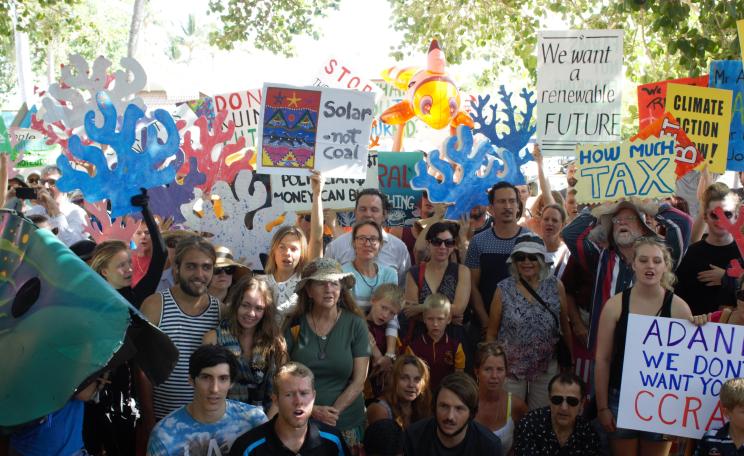
Australian politicians are putting the Great Barrier Reef at risk by approving one of the world's largest coal mines, say activists and marine scientists. MAXINE NEWLANDS reports
What kind of companies is the European Central Bank supporting by buying €46 billion of their bonds under its QE programme? Research by Corporate Europe Observatory reveals a strong preference for oil, gas, tar sands, dirty power generation, armaments, aviation, airports, car makers, motorways, luxury goods and gambling. Our sustainable be future be damned!
The President-elect may be determined to lead America down an environmentally damaging path, writes Andrew J. Hoffman. But he may find few in the corporate world, where a growing number of major players are committed to eliminating CO2 emissions and making sustainability a core element of their business systems and supply chains, leading to global green transformation.
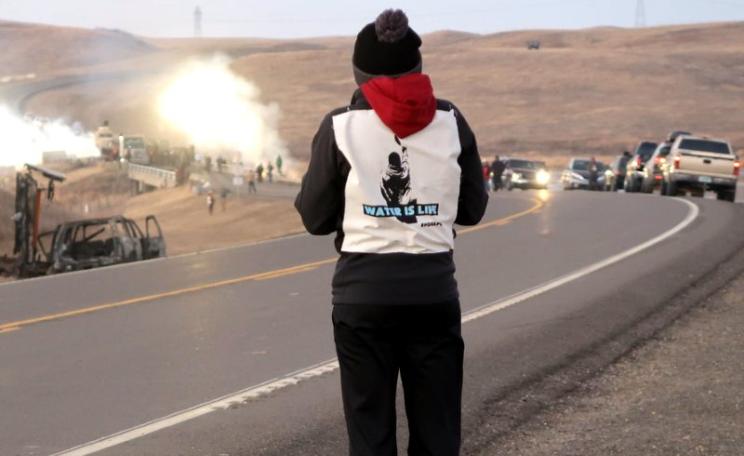
The US is a party to the International Covenant on Civil and Political Rights and the UN Declaration on the Rights of Indigenous Peoples, write Colin Samson & Øyvind Ravna. Both require free, prior and informed consent for any intrusions on indigenous lands and stipulate that indigenous peoples shall own and control their traditional lands. The US is violating both at Standing Rock.
The world's poorest and most vulnerable countries are doing their bit to promote the expansion of renewable energy. The least we can do in the developed world is to ensure the money in our bank account helps rather than hinders their efforts, writes JOE WARE
Eight years ago the first exploration applications for unconventional gas extraction were submitted in South Africa. Last week fracking finally received official attention from South Africa's legislature during a debate that revealed how the country's different political parties gauge the benefits and risks linked to the drilling technique. JASPER FINKELDEY was at that debate.
The International Energy Agency's latest World Energy Outlook is calling for increased investment in new oil and gas, writes Oliver Tickell, while minimising the fast-growing and ever lower-cost contribution to world energy supply of renewables like wind and solar.
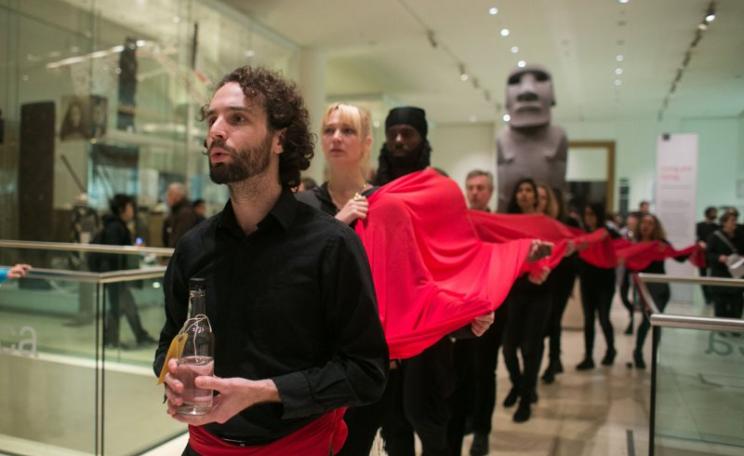
With Trump denying climate change and threatening to reject the Paris Agreement, it's more important than ever for society to hold a firm ethical line, writes Chris Garrard. The last thing we need is our most revered museums and galleries muddying the water by courting the sponsorship of leading climate criminals.
The Turow open-pit lignite mine is drying up water sources on both sides of the Polish-Czech border. In light of plans to expand mining at Turow, Czechs are now rebelling against putting up with damages from a foreign mine they get no benefits from CLAUDIA CIOBANU reports
Trump has pledged to ditch the Paris Agreement, scrap Obama's clean power plan, get coal miners back to work, and 'make America great again' on the back of a huge expansion of fossil fuel production, writes Mark Barteau. But he will run into serious difficulties, not least states going their own renewable ways, cheap natural gas, and weak international demand for coal.
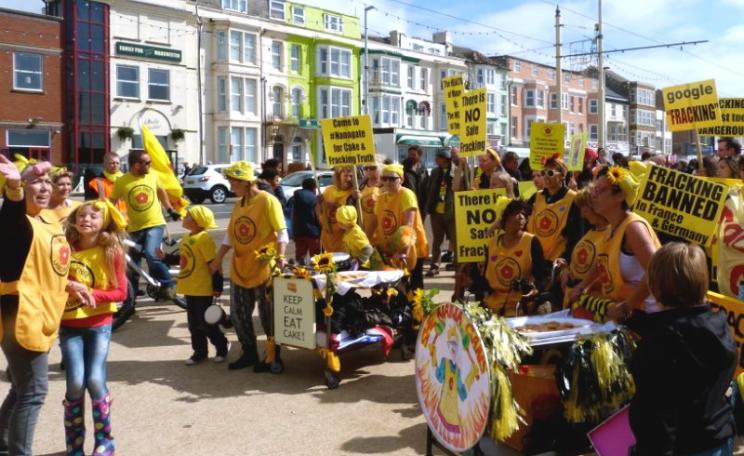
The UK government's insistence of pursuing fracking is based on a flawed and utterly misinformed vision of our future, write Alex Russell and Peter Strachan. Rather than delivering the prosperity they promise, large scale fracking would cause massive pollution of air and water, undermine vital export industries, and leave us with an irretrievably damaged economy and natural environment.
The Drax power station in North Yorkshire is among Britain's greatest greenhouse gas emitters, writes Almuth Ernsting. Not only is it burning some 6 million tonnes of coal every year, it is also burning its way through forests in the USA and other countries as it converts to biomass-fired units, rewarded by £1.3 million a day in subsidies. Join the #AxeDrax protest this weekend!
Last week the EU ratified the Paris Agreement to limit climate change, writes Tony Bosworth. So how did Communities Secretary Sajid Javid mark the occasion? By overturning Lancashire's democratic rejection of fracking, so giving a whole new fossil fuel industry the green light to let rip. Hypocrisy? The word hardly does justice to our government's mendacity.
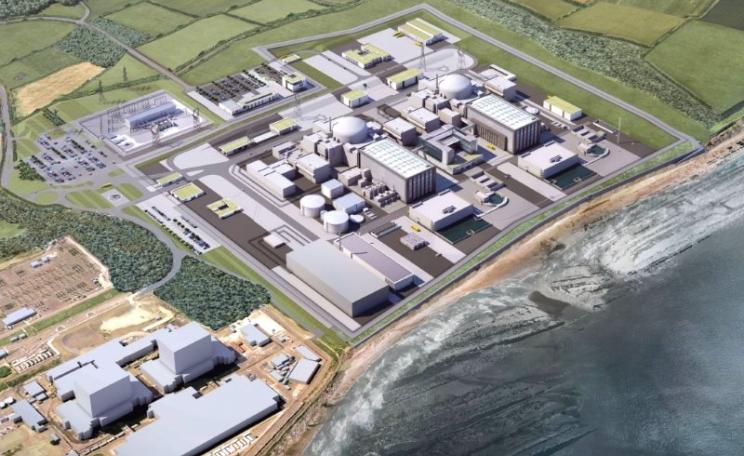
With its choice of Hinkley Point C - a £100 billion nuclear boondoggle - its enthusiastic support for expensive and environmentally harmful fracking, and its relentless attack on renewable energy, the UK government's energy policy is both morally and economically bankrupt, write Peter Strachan & Alex Russell. It must urgently reconsider this folly and embrace the renewable energy transition.
A future Labour government will ban all fracking in the UK and drive forward a clean, affordable energy revolution, Barry Gardiner promised in his conference speech today. And it will openly negotiate 'Just Trade' agreements that respect the environment, health and labour, boosting small business not just multinational corporations.
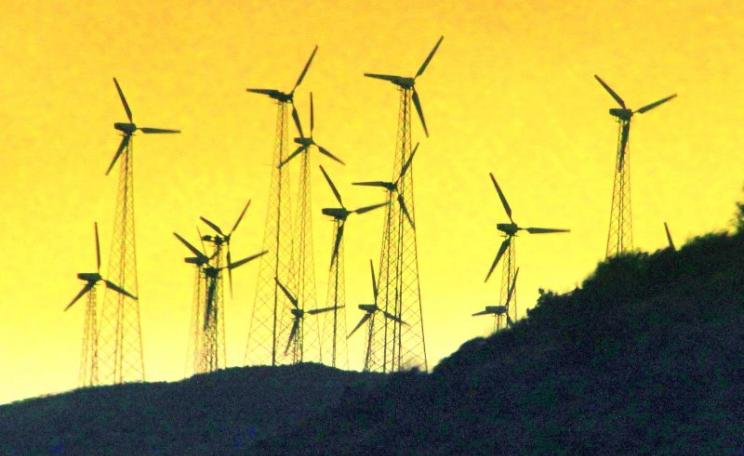
A new energy market analysis shows the average cost of electricity from renewables is already lower than from fossil fuels, writes Alex Kirby. And as renewables eat deeper into the 'market share' of coal and gas power plants, so the entire economics of fossil fuel power generation will unravel.
The European Investment Bank is set to offer €3 billion to build the 3,500 km Southern Gas Corridor pipeline from the South Caucasus to the EU, writes Terry Macalister - even though it would undermine EU climate change targets and exacerbate serious human rights abuses.
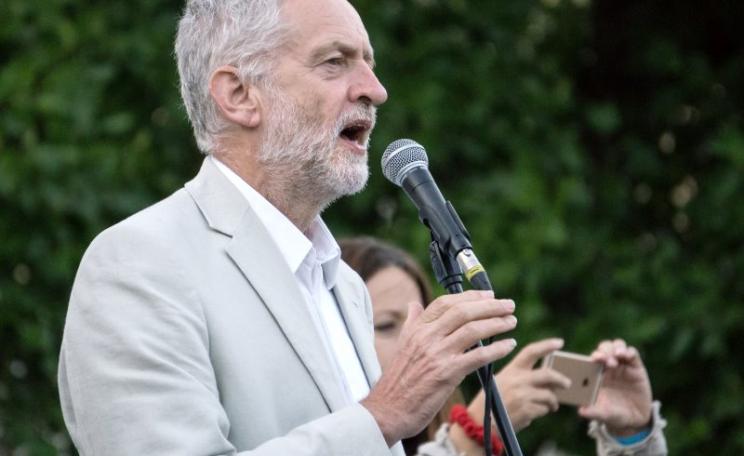
Under my leadership Britain will act to protect the future of our planet, with social justice at the heart of our environment policies, writes Jeremy Corbyn. Meeting our Paris climate targets will be the starting point for a green industrial revolution that will deliver clean, affordable energy to all, create millions of new jobs, and establish the export industries of the future.
The irrepressible Bill McKibben, and the movement he founded - 350.org - have been behind two of the biggest climate change victories in recent years: the blocking of the Keystone XL pipeline and the withdrawal of 3.4 trillion dollars of fossil fuel investments. He talks to JOE WARE
New technologies are coming on stream that can turn sunlight and wind into liquid fuels for vehicles, homes or power plants, writes Chris Goodall. And by powering the process using 'free' renewable energy on sunny or windy days, the fuel will be as green as can be, and cost less than petroleum.
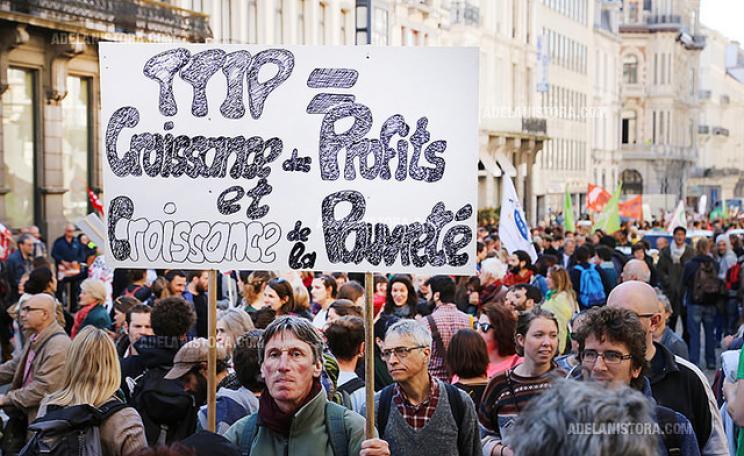
The European Union and the USA have been negotiating the Transatlantic Trade and Investment Partnership (TTIP) behind closed doors since 2013. Negotiators kept insisting that their secret talks would work in the best interest of the public and the environment. But since Greenpeace leaked the TTIP draft negotiating documents it became clearer than ever, that this trade agreement could become one of the most dangerous weapons in the hands of the fossil fuel industry in its effort to kill Climate Action for the 21st century. The elephant in the room is here and it is huge: the word "climate" means something totally different in the TTIP papers.
Traveling in the US by boat and train visiting solar laboratories and environmental groups, Keith Barnham found many successful community initiatives in renewable electricity, and brings news of progress towards the ultimate renewable challenge: a solar fuel that could eventually replace gasoline in cars, trucks, buses, trains and aircraft.
The cost of offshore wind power in the North Sea is 30% lower than that of new nuclear, writes Kieran Cooke - helped along by low oil and steel prices, reduced maintenance and mass production. By 2030 the sector is expected to supply 7% of Europe's electricity.
The industries that have primarily caused, are still causing, and will continue to cause climate change, are the recipients of huge subsidies. Whilst the marginalised are promised a paltry and relatively insignificant amount to mitigate and adapt to the consequences of the problem they did little or nothing to bring about. That's just plain wrong says MARK KERNAN