Stop Killing Cyclists are staging a protest in London on 27th April to demand an end to the UK's intolerable air pollution, writes Donnachadh McCarthy. With an estimated 40,000 people dying every year from filthy air, much of it caused by diesel cars, all are welcome to join in, denounce the government's 'polluters' friend' policies, and insist on swift action to stop the needless deaths.
It looked like such a good idea: take the pressure off wild fish stocks by growing GM oilseeds that produce health-enhancing long-chain omega-3 fatty acids, writes Claire Robinson. But as a new study has established, those fish oils, novel in terrestrial ecosystems, cause wing deformities in cabbage white butterflies. Yet a third open field trial of these GM crops could soon be under way.
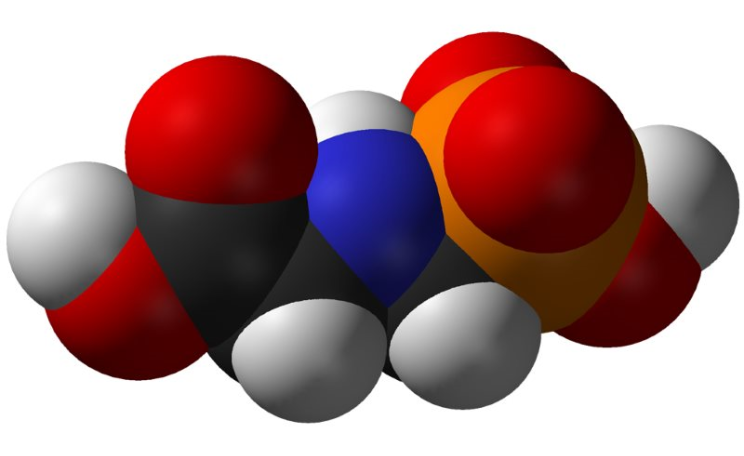
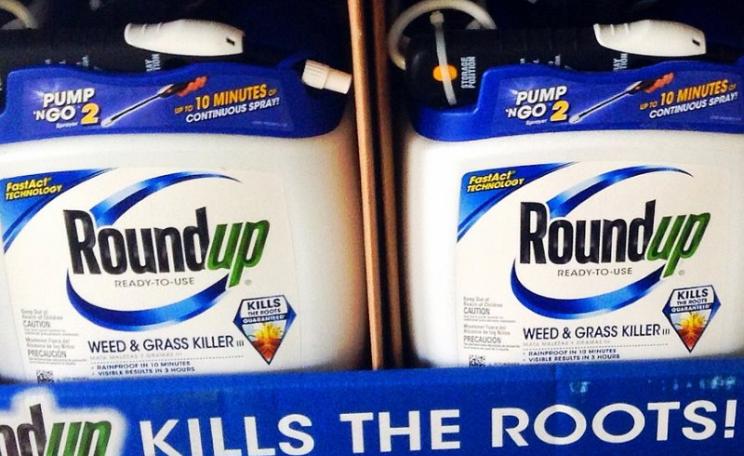
The European Parliament just voted to re-authorise glyphosate, writes Peter Melchett - but with significant restrictions on its use. So what does the vote mean for the world's biggest selling herbicide? And how come the UK's National Farmers' Union welcomed the decision as an unqualified victory?
There are many good reasons to criticise Donald Trump, writes John McMurtry. But none of these matter to the US media, political and corporate powers determined to keep him out of the White House. With his radical talk of halving military spending, controlling Big Pharma and exiting 'free trade' agreements, Trump is a direct threat to the parasite capitalism that's destroying America.
The global pesticide and bioscience giant Monsanto is a byword for evil for millions of campaigners and concerned citizens, writes JP Sottile. But that has never stopped it getting its way with the people that matter - politicians and regulators. And now the company is on the verge of biggest victory ever - winning clearance to spray biologically active RNA sequences on US crops.
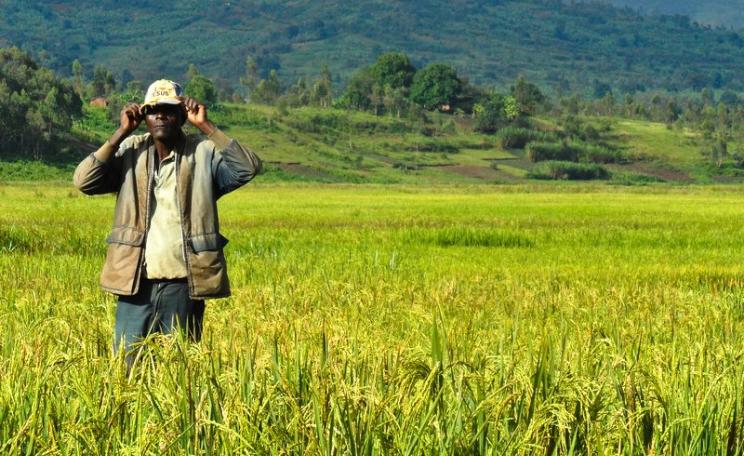
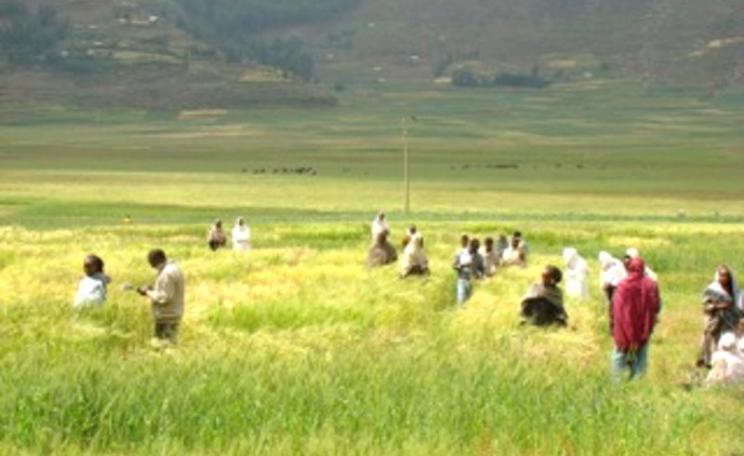
Perhaps all the 'do gooders' busy forcing industrial models of agriculture onto poor but independent African farmers really do think they are helping them, writes Colin Todhunter. But if so they are deeply deluded. All they will achieve is the takeover of export-oriented agribusiness and GMOs, the destruction of agroecological farming systems, and a future of debt and landlessness.
Just as climate change deniers leap from scientific uncertainty over the precise impacts of greenhouse gas emissions to certainty of little or no impact at all, so 'pro-nuclear environmentalists' conflate uncertainty of the mortality arising from Chernobyl and other nuclear disasters to certainty of few if any deaths, writes Jim Green. Their position is equally indefensible.
Illegal gold mining in the Amazon has a devastating effect on indigenous peoples, writes Sarina Kidd. First the miners bring disease, deforestation and even murder. Then long after they have gone, communities are left to suffer deadly mercury poisoning. Now the UN has been called on to intervene.
India's food system, essentially clean just a generation ago, has been comprehensively contaminated with sugar, bad fats, synthetic additives, GMOs and pesticides under the country's neoliberal 'great leap forwards', writes Colin Todhunter. The result? a surge in obesity, diabetes and cancer incidence, but no let-up in the under-nutrition of those too poor to join in the over-consumption.
Oxford researchers have quantified the benefits of the world becoming vegetarian, writes Marco Springmann. Their study shows that simple changes - like moving to diets low in meat and high in fruit and vegetables - could lead to significant reduction in mortality and health care costs, while cutting food sector greenhouse gas emissions by two thirds.
The Chancellor's 'sport not sugar' move to tax sugary drinks was extremely welcome, writes Simon Bullock. But we need a similar Treasury approach to protect people from other threats too. So how about tackling the air pollution that's killing tens of thousands of Britons a year?
Cancer is just one of of the outcomes of the genetic damage inflicted by nuclear radiation, writes Chris Busby, and perhaps one of the least important. Of far greater long term significance is the broad-scale mutation of the human genome, and those of other species, and the resulting genomic instability that causes cascades of heritable mutations through the generations.
The BBC has been excelling itself in its deliberate understatement of the Fukushima nuclear catastrophe, writes Chris Busby. While calling in pseudo experts to say radiation is all but harmless, it's ignoring the science that shows that the real health impacts of nuclear fallout are around 1,000 times worse than claimed.
With industry spinning that glyphosate is harmful to health, if at all, only with co-formulants like tallowamine, the World Health Organisation's cancer agency IARC has just released a Q&A document (below) stating that 'pure' glyphosate poses similar cancer and genotoxicity risks as its formulations. Banning particular co-formulants, as proposed by some EU countries, does not solve the problem.
Five years after the Fukushima nuclear disaster began to unfold, the searing psychological effects are still being felt among the 160,000 refugees who fled the fallout, writes Linda Pentz Gunter. But now there's growing pressure to return to contaminated areas declared 'safe' in efforts to whitewash the disaster's impacts. Why the rush? To clear the way for the 2020 Tokyo Summer Olympics, complete with events in Fukushima City.
It has been an epic battle, writes Aisha Dodwell. Monsanto and other corporations are desperate to get the world's number one herbicide, glyphosate, relicenced in the EU. But their network of power has been challenged by doctors, scientists and a global movement of people. With today's postponement of the EU's decision, we have just scored a major victory.
Agroecology is key to retaking control over food, farming and land from the 'monstrous machine' of agribusiness, biotech, big finance and 'free trade', writes Colin Todhunter, as it represents a truly viable alternative to agriculture for corporate profit. But such are the powers ranged against the world's small farmers that it must be supported by a broad-based, global people's movement.
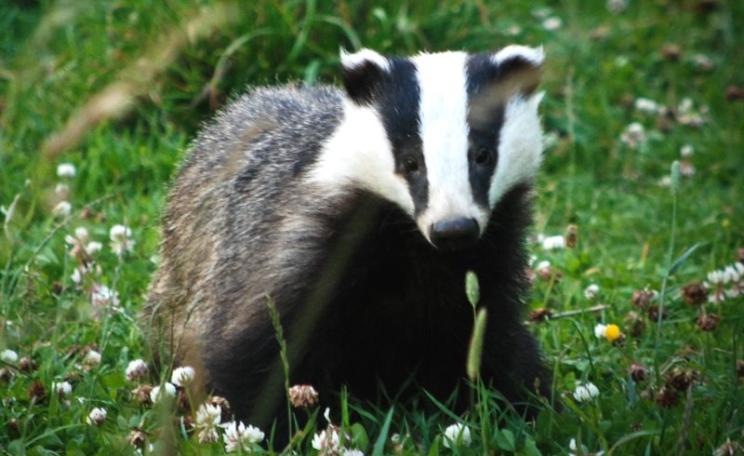
The British Veterinary Association has just launched its long-anticipated Animal Welfare Strategy, writes Mark Jones - and very welcome it is too. But it's also completely incompatible with the BVA's support for England's cruel and utterly unscientific badger culls. It's time for an urgent rethink.
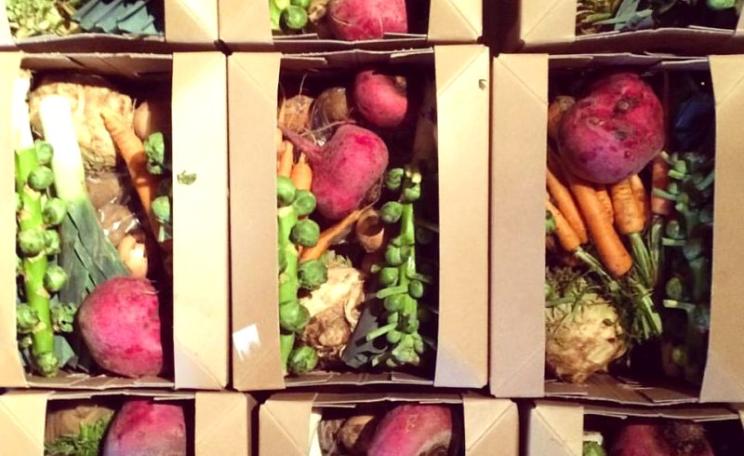
The way food is produced has a profound impact on its nutritional profile, according to research published in the British Journal of Nutrition. Not only is organic farming better for animal welfare, the environment and wildlife, writes Peter Melchett, but organic meat, dairy, fruit and vegetables all have tangible health benefits for the people who eat them.
Africa's car battery recycling industry is anything but green, write Desirée García & Javier Marín on African Environment Day. Toxic emissions from the re-smelting of lead from old batteries is poisoning workers and nearby communities. And among the buyers of the lead are EU car companies, apparently indifferent to the death, disease and contamination they are financing.
A programme to be broadcast on BBC2 promoting badger culling as the answer to bovine TB is praised in the corporation's flagship Radio Times, writes Lesley Docksey. But both are criticised by experts for their inaccuracy and bias. The main reservoir for bTB is, and always has been, the cattle themselves - and that's where the real solutions begin.
Conventional agriculture has made an enemy of evolution as pests and diseases develop resistance to biocides and over-bred hybrids succumb to them, writes Salvatore Ceccarelli. But there is another way - for farmers to participate in breeding seed lines that are continuously adapting to their environment, with ever improving yields, flavour, pest-resistance, and other sought-after qualities.
Those who dare suggest that pesticides might be implicated in Brazil's microcephaly outbreak are being furiously attacked as irrational, nonsense-spouting 'conspiracy theorists', writes Claire Robinson. But the attackers have an uncanny ability to get their own facts in a twist. And among them are writers linked to industries with huge economic interests in the matter.
The European Commission is poised to renew the licence for glyphosate - the herbicide last year deemed ‘probably carcinogenic' by the WHO - for another 15 years. The decision follows from EFSA's contrary finding, based on secret, non peer-reviewed, industry-funded studies.