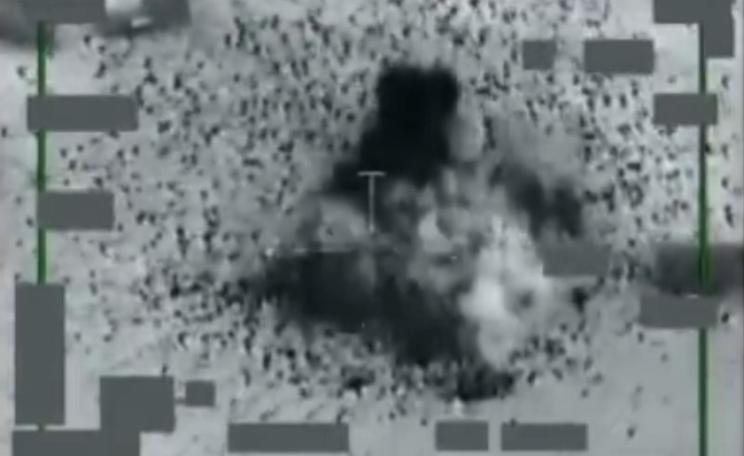
Depleted uranium (DU) munitions may not be regulated but their severe long term health impacts mean they should be, writes Doug Weir. So why did 'Coalition' forces fire 5,265 armour-piercing DU rounds on IS fuel convoys in Syria? When non-DU munitions would have done the job just as well? Just because they knew they would never be held to account? All the more reason to act now!
Whatever people were voting for when they elected President Donald Trump, very few were seeking to remove the already scant protections afforded to dogs and puppies kept in unregulated 'factory farm' breeding sheds, writes JP Sottile. But that's the effect of the deregulatory whirlwind that's hit USDA: more profit for the animal abusers, and more suffering for the animals.
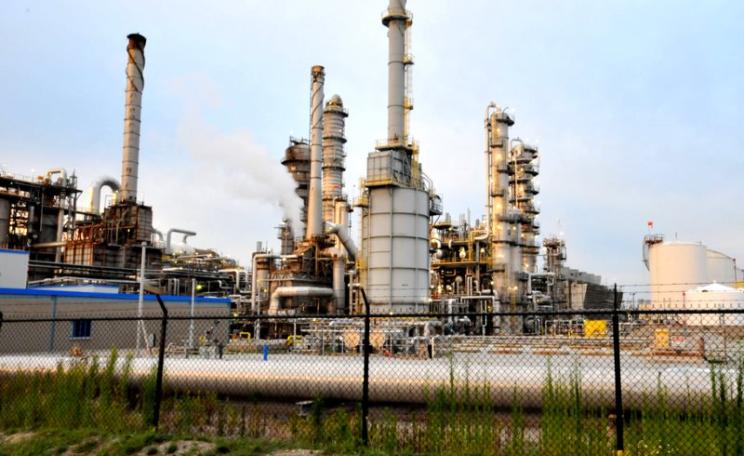
At what point are technologies so complex, uncertain, or unmanageable as to be beyond regulation? The question is key to human and ecological health, writes Jonatham Latham. But instead of learning from successful approaches, such as aviation safety, we are throwing the lessons away when faced with truly complex problems - like chemicals, GMOs, and now 'gene drives'.
The green belt is part of the critical green infrastructure that delivers multiple benefits for cities, writes Alister Scott. It provides space for recreation, biodiversity and farms supplying local food. It protects us from flooding and drought, improves air quality and mitigates the urban heat island effect. In short, it's far too valuable to allow developers to build all over it!
After leaving the EU the government could allow dangerous pesticides banned elsewhere in Europe to be used in the UK, writes Keith Tyrell. Today, Pesticides Action Network is launching a new campaign calling on citizens to fight back against the pesticide industry - and ensure that EU directives and regulations serve as a baseline for British pesticide laws.
I am pro-vaccine, writes Robert F. Kennedy Jr. I had all of my six children vaccinated. I believe that vaccines save millions of lives. So let me explain why I edited the book 'Thimerosal: Let The Science Speak', which exposes the dangerous and avoidable use of the mercury-based preservative thimerosal in vaccines given to millions of children and pregnant women here and around the world.
The impending US-UK trade deal threatens the irreversible loss of public protections on health, safety, labour and environment in both countries, writes Stephen Devlin. Last week Trump signed an executive order forcing systemic corporate deregulation - and the UK's 'pro-business' government is all too keen to go along with it.
If it wasn't climate change, was the real purpose of the Number 10 meeting of Theresa May's advisors and President Trump's environmental transition supremo Myron Ebell to plan the post-Brexit deregulation of UK farming, including pesticides? That's how it looks, writes Georgina Downs - and we had better begin now to fight for our health, wildlife and environment.
As President Trump gets on with dismantling and defunding environmental regulation in the US and withdrawing from the Paris Agreement, his top environmental advisor has branded the Green movement as 'the greatest threat to freedom and prosperity in the modern world.' We must resist now, writes Donnachadh McCarthy - while we still can!
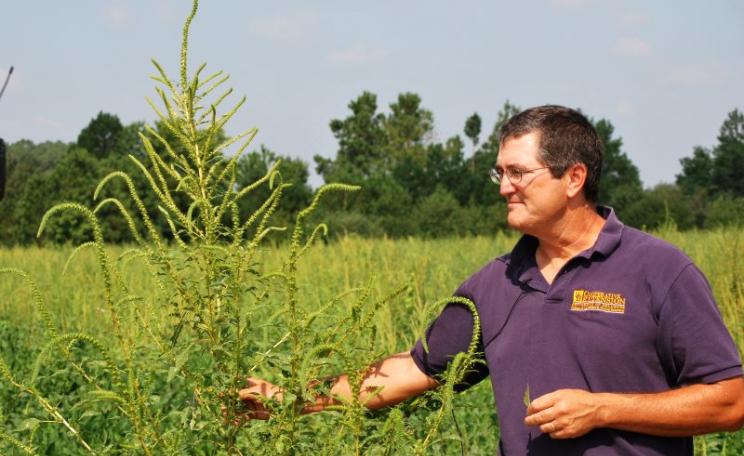
A coalition of farmer and public interest groups are suing the US Environmental Protection Agency for unlawfully approving the use of Monsanto's highly toxic herbicide dicamba on its dicamba-resistant GMO soybeans and cotton, without consulting wildlife and fisheries agencies.
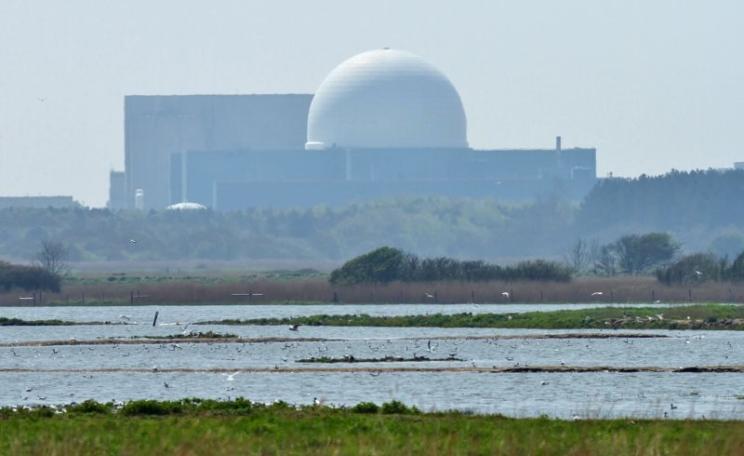
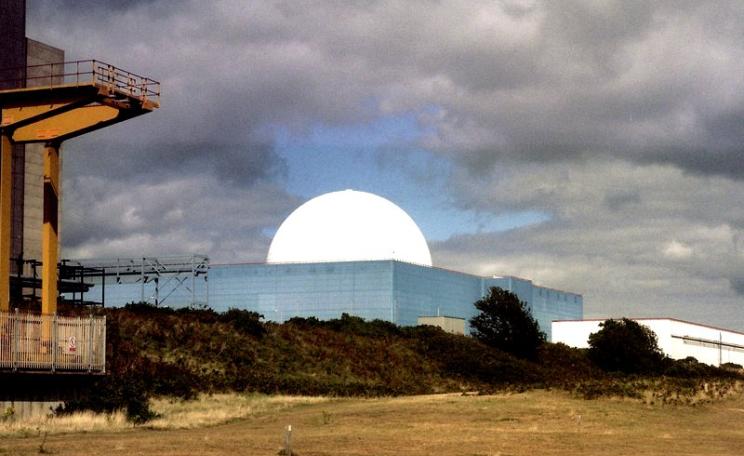
In its second consultation for the EDF's planned Sizewell C nuclear power station there's a strange omission, writes Peter Lux: that the plant would use 1,600 m3 of mains water a day, adding to stresses on important local wetlands like RSPB's Minsmere reserve. The omission is not just strange - it's also illegal and could make the entire exercise invalid.
Back in the 1990s Scotts Miracle-Gro worked out a cunning plan, writes Jeff Manning: to make a fortune from a GMO grass seed for golf courses that survived the Roundup herbicide. But after investing $100 million in the project, it has never sold a single seed. And now the GMO is spreading from test plantings in Idaho, and threatening Oregon's $1 billion hay and grass seed industry.
The US Environmental Protection Agency was on the defensive last week in its hearings to determine whether glyphosate, the word's number one herbicide, causes cancer, writes Carey Gillam, as it stood accused of giving preferential treatment to industry representatives, excluding evidence of cancer links, and refusing testimony from a world expert epidemiologist.
The Lifetime Study of Japanese A-bomb survivors is a monumental fraud which deliberately excludes controls for being 'too healthy', writes Chris Busby. Put them back in, and you find that low levels of radiation cause over 100 times more cancer than they are 'meant' to, creating a silent global massacre of the innocent. Under the Euratom treaty, the entire nuclear industry must now be 'rejustified'.
Magnox has applied to dissolve spent nuclear fuel canisters and release the liquid into the sea near Bradwell nuclear power station in Essex, writes Chris Busby. This will wash radioactivity onto mudflats in a populated area already suffering from excess cancers, however the publicly available documents ignore this key fact. We must make sure this dangerous application is refused.
Article 6 of the Euratom Treaty provides for nuclear industry practices to be rejustified in the light of new scientific evidence of harm to health, writes Chris Busby. We now have that evidence, in particular that radiation exposure even at very low levels causes severe and heritable genetic damage to people and entire families. Now, we must use the law to protect our health from radiation!
The 'Kigali Amendment' agreed this weekend to control HFC gases thousands of times more powerful than CO2 is the first major step in delivering the goals of the Paris agreement, writes Nigel Paul - and a second huge success for the Montreal Protocol, originally agreed to save the ozone layer from destruction by CFCs.
Regulatory failures are allowing Danish pigs infected with lethal antibiotic-resistant bacteria into British farms, writes Andrew Wasley, with contaminated pork found in UK supermarkets, and three human infections recorded. The official response? Deny there's a problem, take no action, and hope for the best. Six people may have died from the bug in Denmark, but the UK is safe, surely?
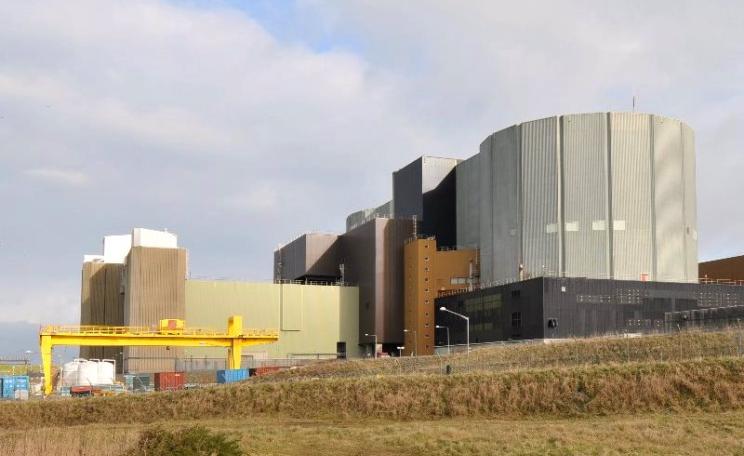
A new report finds that 28 nuclear reactors, 18 of them EDF plants in France and one at Sizewell in the UK, are at risk of failure 'including core meltdown' due to flaws in safety-critical components in reactor vessels and steam generators, writes Oliver Tickell. The news comes as EDF credit is downgraded due to a growing cash flow crisis and its decision to press on with Hinkley C.
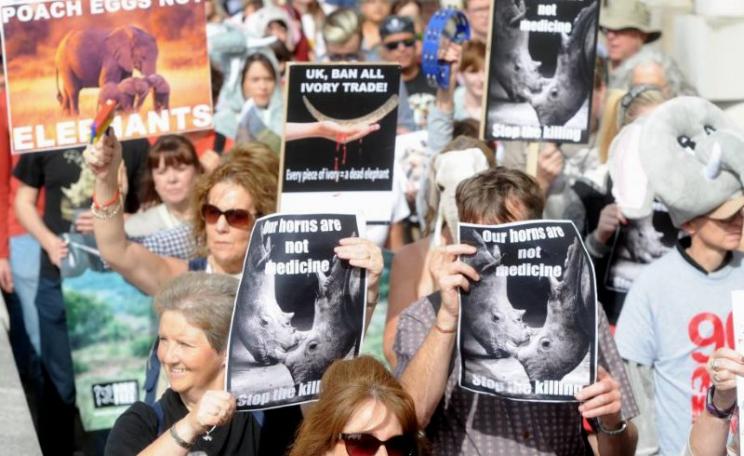
Poaching of elephants and rhinos for their ivory tusks and horn is fast pushing these beautiful animals to extinction, writes Anneka Svenska. Decisive action is needed at the 17th CITES congress in South Africa to ban all international trade in these products, matched by equally strict laws at a national level.
The EU is already paying farmers and landowners for creating and maintaining valuable habitats, write Dominic Hogg & Luke Dale-Harris. But could the UK do better by creating markets in 'ecosystem services' that would put financial value on clean water, key wildlife habitats, endangered species and precious landscapes?
The very first GE product, a dietary supplement, poisoned thousands of people of which dozens died, writes Steven M. Druker. The first GE food, the 'Flavr Savr' tomato, caused stomach lesions. But a long campaign of concealment and deception by regulators and corporate scientists re-engineered the truth to present GMOs as so safe they did not even need to be tested for safety.
The disappearance of a satellite-tagged hen harrier on a Scottish grouse moor and the loss of eight Golden eagles in five years provide the latest evidence for a ban on driven grouse-shooting, writes EDUARDO GONCALVES. But birds of prey are only the most high-profile victims of a cruel and ecologically destructive industry.
For all Japan's talk of 43 'operable' nuclear reactors, only two are actually running, writes Jim Green, as renewables and a 12% fall in demand eat into the power market. And while Japan's 'nuclear village' defends safety standards, the IAEA, tasked with promoting nuclear power worldwide, has expressed deep concerns over the country's weak and 'fragmented' safety regulation.