The failure of the UK's privatized electricity oligopoly - expensive, uncompetitive and slow to adopt renewable technologies - is being repeated across the global south, writes Christine Haigh: over £100 million of UK 'aid' is supporting energy privatization in the very countries that can least afford it.
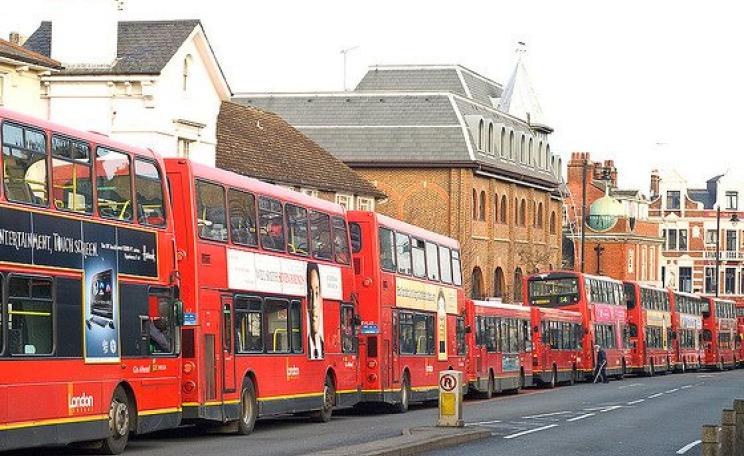
Public transport often doesn't work for travellers because it's fragmented, deregulated and operated for short-term profit, writes Rupert Read. A Green transport policy would force operators to coordinate their schedules, integrate multiple transport modes, and entice travellers out of their cars building a real public transport 'system'.
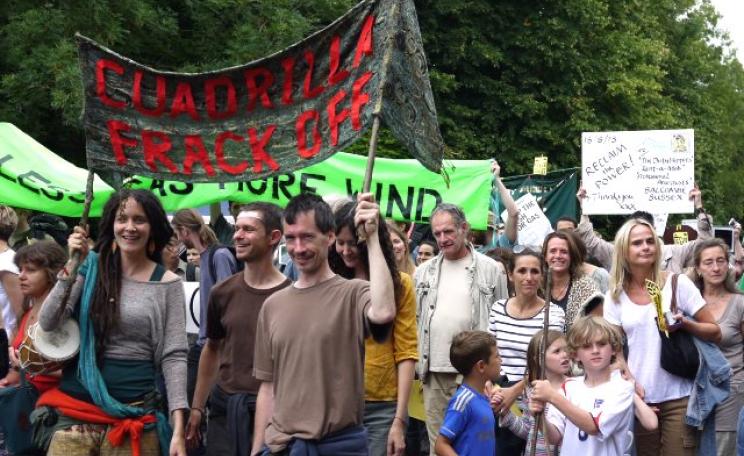
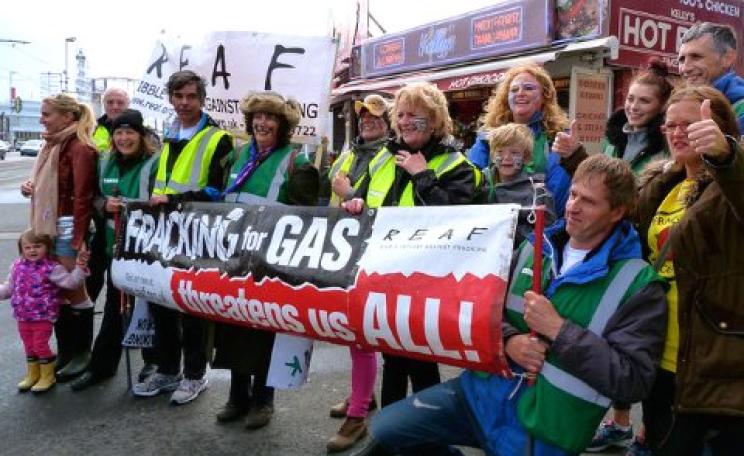
The UK fracking company Cuadrilla has collapsed in value as a result of falling oil and gas prices, popular protests and growing political opposition, writes Brendan Montague. Now investors are having to write off hundreds of millions they sunk into the industry.
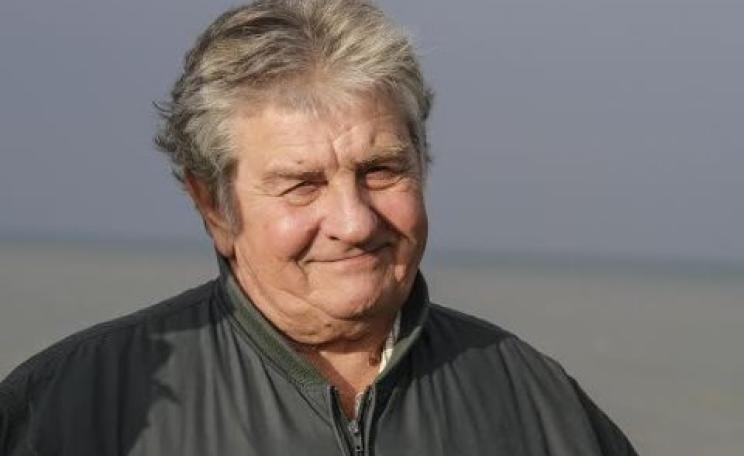
As the seas rise, the government is doing little to help those whose homes are being engulfed beneath the waves, writes Guy Shrubsole - people like veteran campaigner Malcolm Kerby, who has already seen a whole street of his North Norfolk town lost to the rising waters.
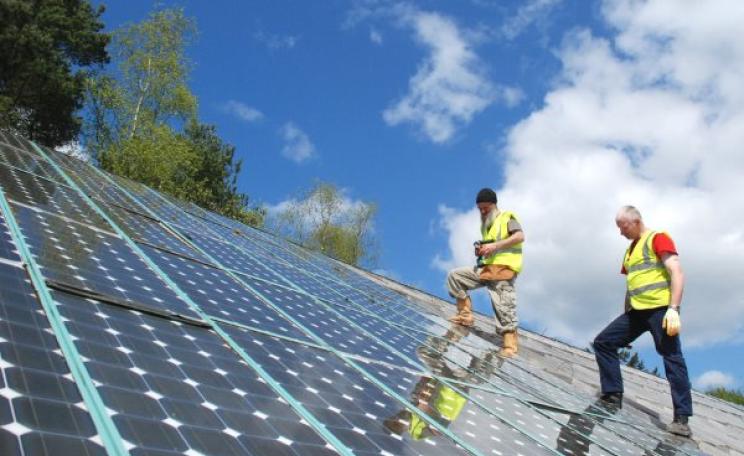
Energy 'too cheap to meter? This time it could be true thanks to the fast rising proportion of zero marginal cost renewable power in our electricity system, writes Roger Kemp. But that has profound implications for how we pay for our electricity - indeed the entire electricity market and consumer pricing system must be radically rethought.
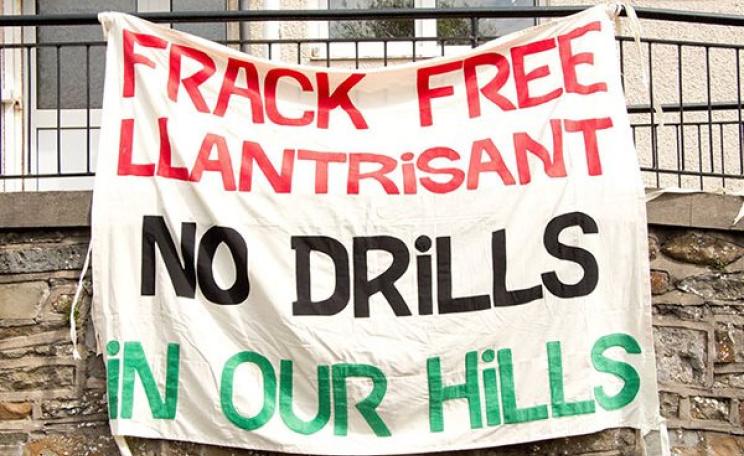
This week the Welsh Assembly voted for a moratorium on fracking. But IGas company bosses insist that the Welsh Government is powerless to stop them pushing ahead with test drilling plans - as all the key decisions are made in Whitehall.
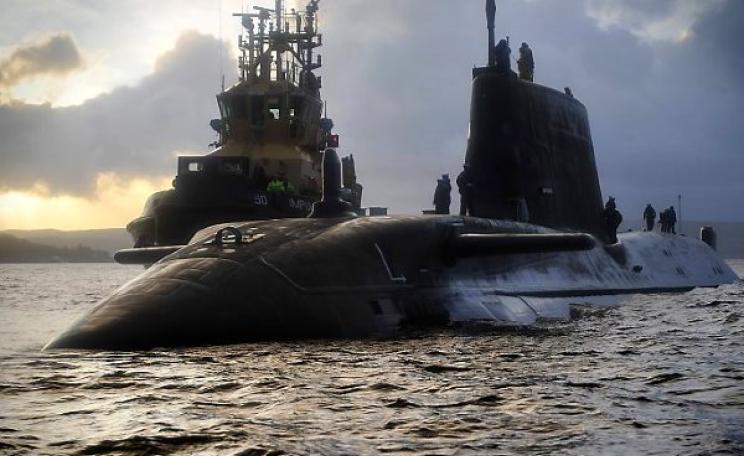
There's a growing chance that the UK's 2015 General Election could bring about the end of its Trident nuclear 'deterrent', writes Jonathan Woodrow Martin, as its renewal looks likely to be central question in the formation of a Labour-SNP coalition government.
The Green Surge is getting very scary - for Labour Party MPs, candidates and supporters who fear that Green support will undermine 'their' vote, writes Ian Sinclair. So when exactly will it be safe for those desperate for an alternative to neoliberalism and austerity to vote for a genuinely progressive party?
Countries at the UN have agreed to start formal negotiations on a new 'legally binding instrument' to conserve the biological riches of the high seas that cover 45% of planet Earth, and ensure their sustainable use for the benefit of all mankind.
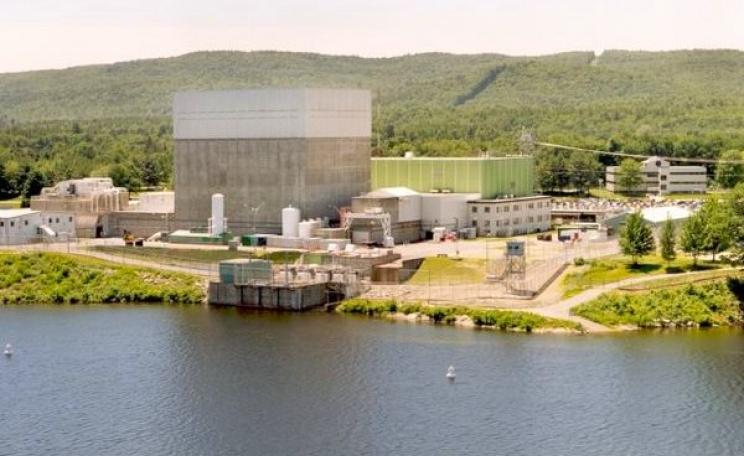
The global rebirth of nuclear power was meant to be well under way by now, writes Jim Green. But in fact, nuclear's share of world power generation is on a steady long term decline, and new reactors are getting ever harder to build, and finance. The only real growth area is decommissioning, but that too has a problem: where's the money to pay for it?
Natural England announced today that the wild beavers living on Devon's River Otter will be allowed to remain free under a 're-introduction' licence granted to Devon Wildlife Trust.
The lesson of fracking in the US and Canada is a simple one, writes Naomi Klein. The fracking industry is vicious, brutal and will stop at nothing to get its way. British anti-frackers can celebrate yesterday's achievements - but the fight ahead will not be an easy one.
The Environmental Audit Committee today calls for shale fracking in the UK to be 'put on hold', writes Paul Mobbs. But the EAC is missing an even more dangerous technology that the Infrastructure Bill would support - underground coal gasification.
Greens are celebrating a decision by the main UK broadcasters to include them in the 2015 TV election debates alongside the SNP and Plaid Cymru - as their UK membership exceeds 58,000!
Campaigners against nuclear weapons on a 'Wrap up Trident' demo at the Ministry of Defence in London today have a new spring in their step, writes Paul Ingram. Thanks to the new electoral geometry of the 2015 general election, they could finally get to close down Britain's £100 billion nuclear weapons programme - and not a moment too soon!
Austria will launch its legal challenge against the UK's massive support package for the planned 3.2GW Hinkley Point C nuclear power station by April, writes Arthur Nelsen. The move will add years of delay to the controversial project, and may well finish it off altogether as fears over the troubled EPR reactor design grow, and renewables continue to fall in cost.
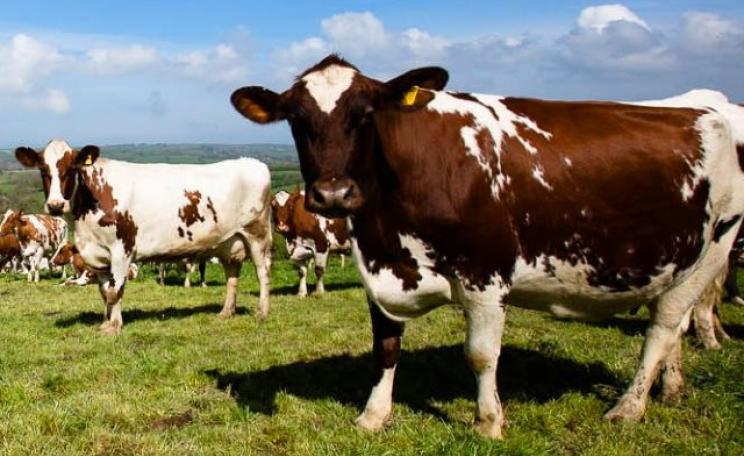
As hundreds of British dairy farmers are forced out of business by milk prices well below production cost, writes Patrick Holden, it's time for a 'fair trade' British milk label that guarantees a fair price to smaller scale farmers operating to good environmental and animal welfare standards.
When 97% percent of respondents to a European Commission 'consultation' on the TTIP EU-US trade deal opposed it outright the Commission accused them of 'hijacking' the process, writes Nick Dearden - and pressed ahead with negotiations. Whose Europe is it anyway?
UK politicians and officials are studiously ignoring the growing evidence that fracking is an economic and environmental disaster, writes Paul Mobbs. As the circle of 'acceptable' view spins ever smaller, industry PR is dominating a phoney debate that's increasingly remote from reality, public opinion and core democratic principles.
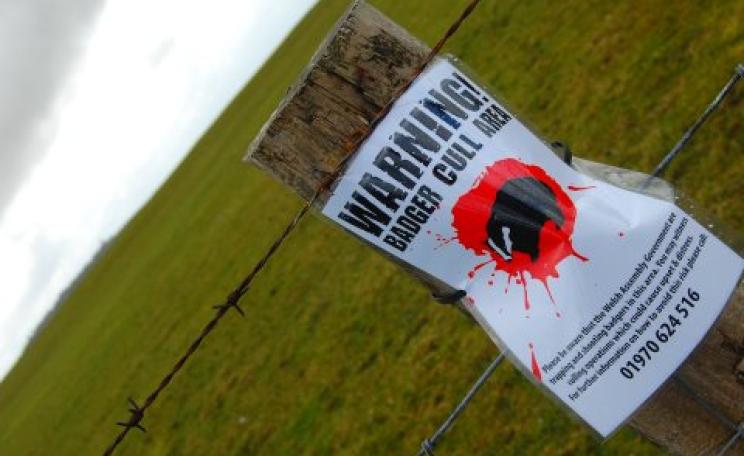
Sneaked out just before Christmas, Defra's assessment of the 2014 badger cull inspired NFU leaders to claim 'success', writes Rosie Woodroffe. But the figures indicate the precise reverse: that too few badgers were killed to be effective against bovine TB, indeed the cull may even help to spread the disease.
Last week the consortium holding a £22bn contract to clean up the Sellafield nuclear site was sacked, writes David Lowry. But this is just the end of a long and scandalous tale of corporate profit at taxpayers' expense, and the active collusion of ministers and senior officials in fighting off Parliamentary scrutiny.
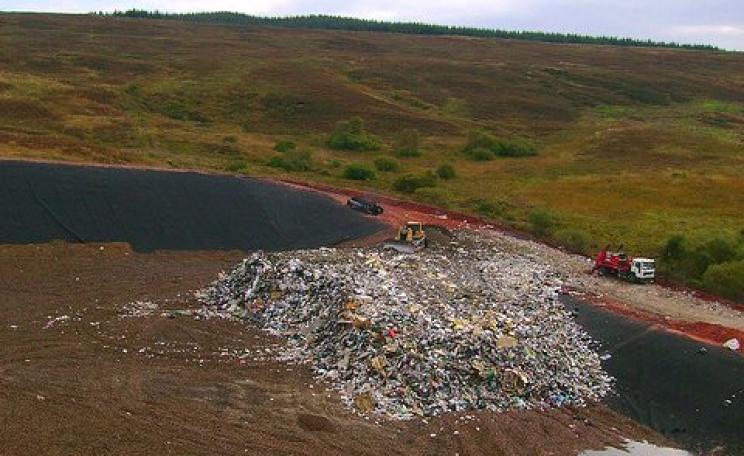
Nearly a year ago at the height of the UK floods, tragedy struck an ordinary family in Surrey as toxic gas from a nearby landfill site killed a 7-year old boy, Zane. Now the authorities appear determined to exculpate the source of the poison - an old landfill site - even as they prepare for a massive increase in hazardous waste from fracking.
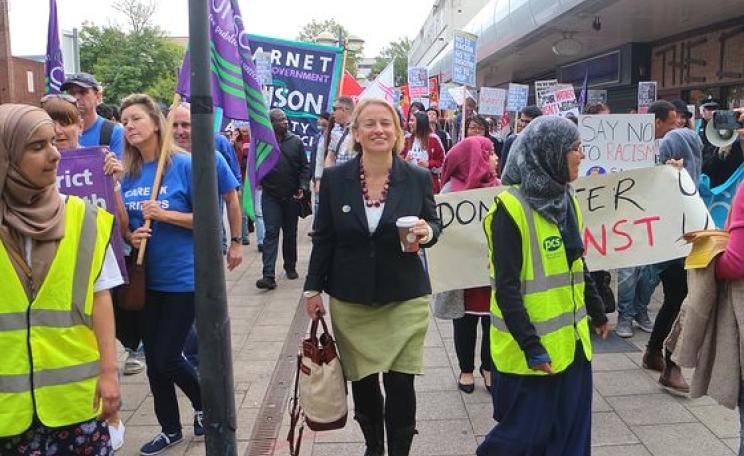
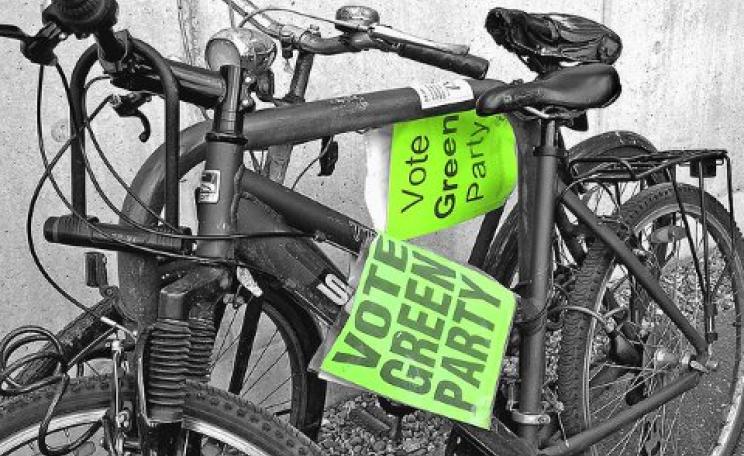
Yesterday, Green party membership in the UK overtook that of UKIP and the Lib Dems, writes Adam Ramsay, who offers 13 reasons why in just two days over 4,000 new members joined the Greens, an astounding 10% growth rate. And it's no flash in the pan - membership had already doubled since September, and the Green surge could still have a long way to run ...
The Green party today overtook both UKIP and the LibDems the on number of paid-up members. After a surge of 4,000 new members in two days, the Greens UK-wide now have 44,713 members, 4,000 more than UKIP, and 1,500 more than the LibDems.