The House of Commons Environmental Audit Committee has just begun to take oral evidence from a very select group of witnesses, writes Paul Mobbs in this open letter. Sadly its choices betray a systematic bias to industry and establishment figures - while community groups are entirely excluded.
Lord Ridley, a card-carrying member of Britain's 1%, led the Northern Rock bank to collapse. Now he's causing another kind of catastrophe: the coal mined off his Northumberland estate is causing 1% of the UK's CO2 emissions. No wonder he's a climate sceptic!
A fusion of drone systems and chemical agents is set to transform the landscape of combat for states and non-state actors alike, writes Paul Rogers. These technologies won't just be used for warfare, but for 'public order' ... suppressing riots, protests and political dissent. Forget water cannon - this is the real deal.
The UK's financing of fossil fuels abroad increased tenfold in two years to exceed £1 billion in 2013 / 2014, writes Christine Ottery. Incredibly, the fossil fuel funding increase came after a government promise to use the money to support 'innovative and green technologies'.
Ofcom's 'initial view' that the Greens should not take part in 2015 election debates is irrational and illogical, writes Rupert Read. Worse, it is an insult to democracy, all the more so as the Greens are the only UK party offering a genuine alternative to another five years of 'business as usual' neo-liberalism and austerity.
9,000 new homes in the 'fast track' housing development zones created by the UK government are in areas of flood risk, making them potentially uninhabitable and uninsurable, according to a Greenpeace investigation - and that's before accounting for the increased flood risk from by climate change. Meanwhile future levels of funding for flood control are looking highly uncertain.
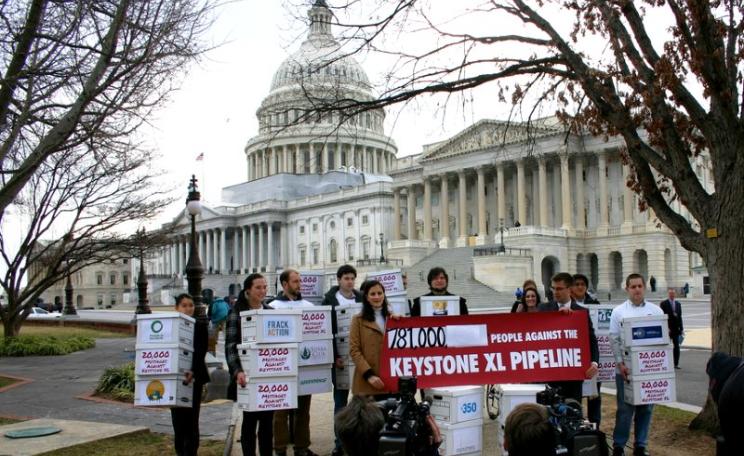
The US government is being sued for $15 billion for its cancellation of the Keystone XL tar sands pipeline last year in order to combat climate change. The legal challenge under NAFTA sends a warning to all countries contemplating similar 'free trade' agreements.
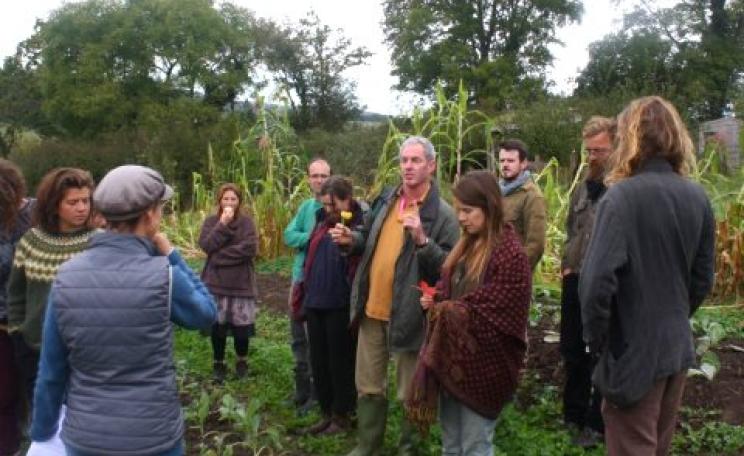
Farmers and growers in south-west England have united to reclaim the lost skill of seed saving, writes Ashley Wheeler. They are determined to grow, develop, share and disseminate open-pollinated seeds, and oppose EU laws granting commercial plant breeders a legal monopoly on the seeds that sustain our lives.
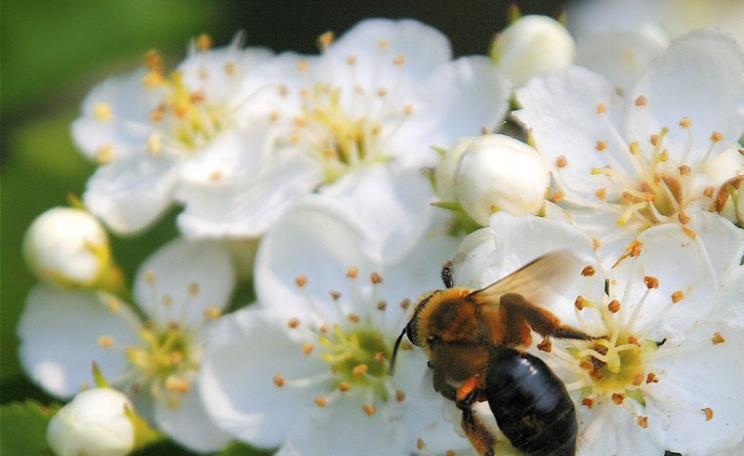
Dangerous volumes of neonicotinoid insecticides and other pesticides are expressed in common wild flowers like buttercups and hawthorn blossom in countryside under arable cultivation, a new study has discovered. The discovery invalidates the UK government's 'pollinator strategy' based on creating 'safe havens' in arable areas - because the havens are in fact loaded with pesticides.
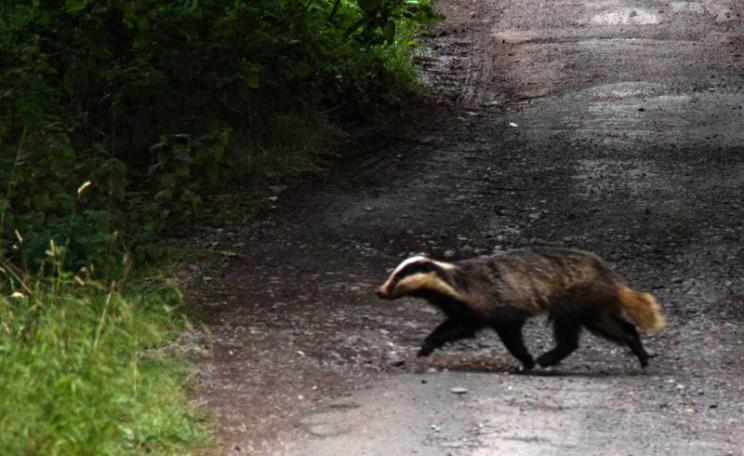
Sneaked out shortly before MP's Christmas recess, the Government's decision to 'carry on culling' badgers with no evidence that the slaughter is reducing the incidence of bovine TB is a travesty of process, writes Lesley Docksey. But it does have one useful outcome - it has exposed Defra's claims that the cull is 'science-led' as arrant nonsense. Science never even got a look in.
Despite a raft of legislation to protect our wildlife, 60% of our key species are in decline, writes Jenny Jones. That's why we need a new and positive approach, going beyond protection to rebuilding flourishing, sustainable wildlife populations. And people too will see the benefits - in our own as is our health and wellbeing.
Building resilience to flood and drought is all about working with farmers, writes Colin Tudge. Simple things like ploughing across slopes, not up and down them, planting trees, and caring for soils, can make a huge difference in helping rainwater to sink into the ground, not run off. And to make it happen, the government must take a lead.
The government appears as determined as ever to push ahead with fracking as a central plank of its energy policy, writes Richard Heasman - ignoring growing evidence of health and environmental harm. But with the economics of fracking undermined by heavy energy price falls, the UK industry may never get off the ground.
Disaster threatens England's nightingales, already down 90% in 40 years, if ministers fail to block a plan to build 5,000 homes on SSSI breeding site in Kent. But as Robin McKie writes, the government is showing no sign of intervening, as campaigners warn of an 'open season' for development on our most important wildlife sites.
The UK government celebrated Christmas by donning Santa suits and throwing a £1 billion subsidy down the fuming smoke stacks of the UK's biggest power companies, writes Alan Simpson - a massive payment at the expense of UK energy users, for doing what they should be doing anyway. Have a Brave New Year!
Of course rising world population matters, writes Biff Vernon, due to its impact on the planet and its resources. But to actually do something about it, don't even mention the 'p' word. Instead let's cut back on our wasteful, high-consumption lifestyles - and empower women everywhere!
Long-disused oil and gas wells in the US have been found to be a 'significant' source of the super greenhouse gas methane, writes Richard Heasman. The climate impact of oil and gas is underestimated, as this long term impact is not included in existing calculations.
Austria's pledge to strive for the elimination of nuclear WMD kindled fresh energy and hope at this month's Vienna Conference on Nuclear Weapons, writes Rebecca Johnson. Now we must maintain the momentum towards global nuclear disarmament at the May 2015 meeting of the Non-Proliferation Treaty.
London Major Boris Johnson has taken a key first step towards a new Greater London National Park to safeguard the city's green spaces, waterways and natural treasures - and open them up for people to enjoy.
Recent falls in oil prices give 'greens' cause to rethink arguments about 'peak oil' and get back to why they are really opposed to fossil fuels, writes Dr Steve Melia. Ultimately, it's not the economic evidence that drives government decisions - it's the politics!
As families across the country stock up on food for Christmas feasting, Giulia Barcaro urges them to give a thought to animal welfare - read the label to discover whether the meat you're buying comes from high-welfare farms, or has condemned a sentient creature to a life of suffering.
As Cameron 'cuts the green crap' Paul Mobbs remembers how the decisions of a Conservative government 20 years ago to go easy on the owners of contaminated land and old waste dumps have led to present day blight, ill-health and death. Now brow-beaten regulators and politicians in hock to party funders are doing it all over again.
England's 2014 badger cull has failed to meet key targets for effectiveness with such low numbers of animals shot that TB spread is likely to be increased. But Defra boss Liz Truss insists the cull will go on regardless.
As flagship nuclear projects run into long delays and huge cost overruns, solar and wind power are falling in price, writes David Elliott. Renewables already supply twice as much power as nuclear. It's just too bad the nuclear-fixated UK government hasn't noticed.