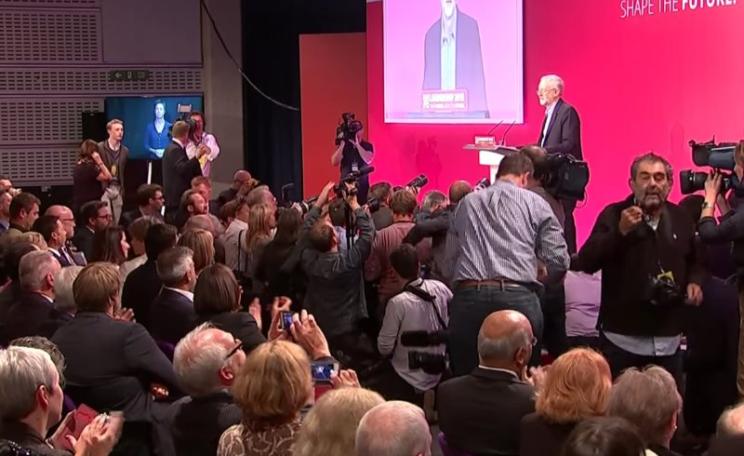
The magnitude of Corbyn's victory today represents an irreversible seismic shift in British politics, writes Oliver Tickell. Finally the Tories face serious, principled opposition that will reveal them as the far-right ideologues they truly are. The reverberations will echo far, wide, long and deep, including to the US where the socialist Bernie Sanders is well on his way to winning the Democratic nomination.
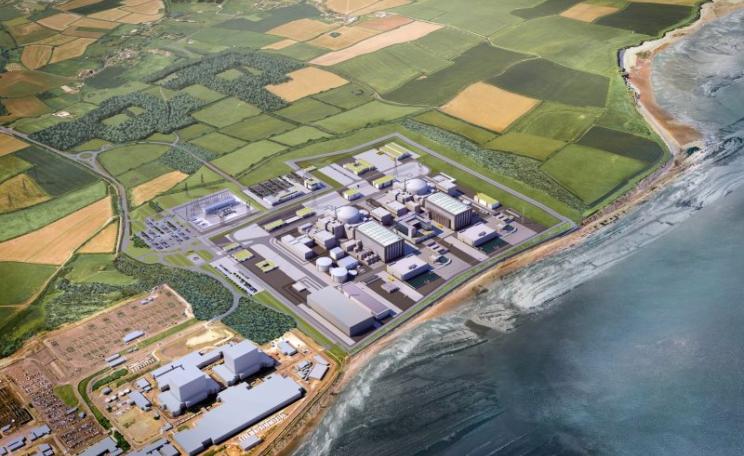
This week Chancellor George Osborne told Parliament that the power from the planned Hinkley C nuclear plant would be cheaper than onshore wind, writes Doug Parr. That could be true on Planet Zog - but here on Earth the reverse is the case. Exactly what are Osborne and his Treasury mandarins smoking?
For anyone who believes in the ineffable wisdom of 'free' markets, the current sinkaway oil price takes some explaining, writes James Meadway. Saudi Arabia's big gamble that it could put US shale oil out of business by over-pumping has now collided with China's falling demand for energy. Result: oil producers everywhere are swimming in red ink. Where will it all end?
The notion that nuclear is cheaper outside the UK is a myth, writes David Toke. Yes, it looks more expensive here - but only because new stations like Hinkley C have to compete in an electricity marketplace, making it harder to conceal the true costs like we used to.
President Obama and India's Prime Minister Modi are best of friends - aren't they? So how come the US took India to the WTO's trade court - and just won a resounding victory? And why isn't India challenging the US's own discriminatory solar subsidies? It's because of the money, writes Charles Pierson. And poor India has no choice but to play by Washington's rules.
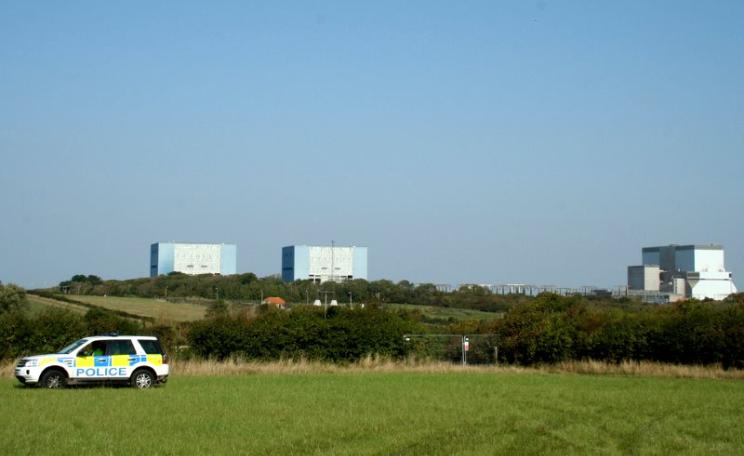
EDF has indefinitely postponed its Hinkley C nuclear plant in Somerset, England, as a new IEA analysis shows that its power will cost UK energy users three times more than it should, writes Oliver Tickell. A similar reactor in France is running six years late and three times over budget - and may never be completed.
The effect of new labour saving technologies has been ... to keep us working as long as ever, or longer. But why? Certainly not for our benefit, writes David Spencer. It's to keep civil society suppressed, docile, in thrall to the power of capital. All the more reason to rebel - demand a 30-hour working week now!
Greens are united in opposing neoliberal 'austerity', write Rupert Read & Sandy Irvine. But there's another kind of austerity to which we are committed - that of living within ecological limits. But base the transition on social, economic and environmental justice, and there will be nothing austere about it. The future we're working for is one of sustainable, life-enhancing abundance.
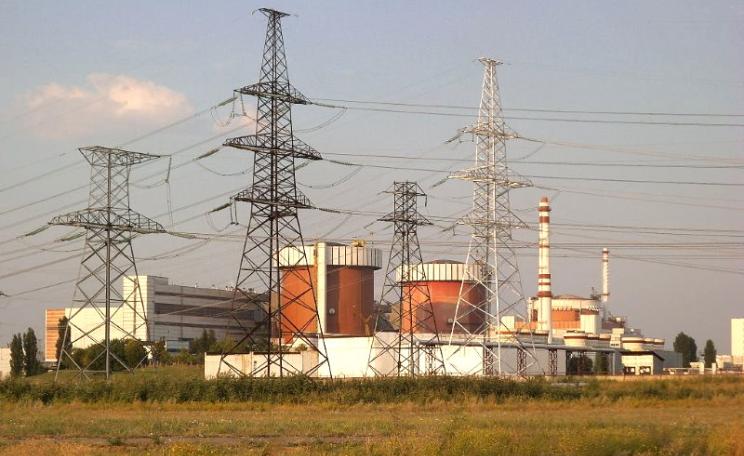
Ukraine's state-owned nuclear generator is suing anti-nuclear activists in its latest attempt to stifle public debate over the country's ageing fleet of 15 nuclear reactors, while refusing to release information in breach of international obligations.
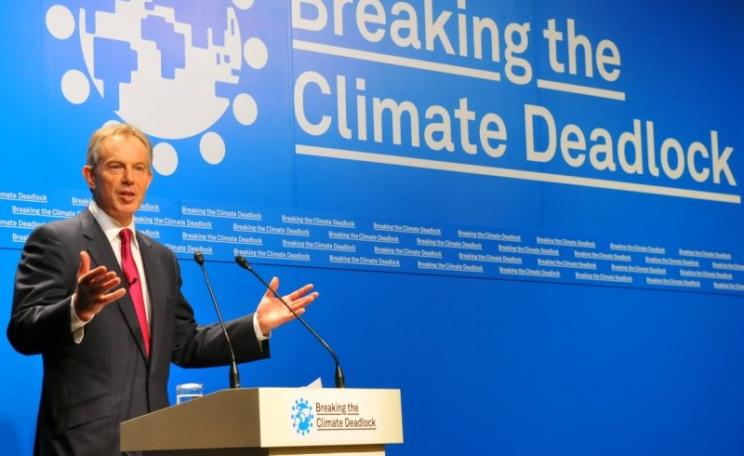
Commitment to action on climate change was once a banner of modernism adopted by by both Tony Blair and David Cameron, writes Leo Barasi. But no longer. The Tories have abandoned it entirely, while the Labour mainstream, in thrall to the twin narratives of 'austerity' and 'aspiration', looks the other way. So how to put climate change back on the centre-left agenda?
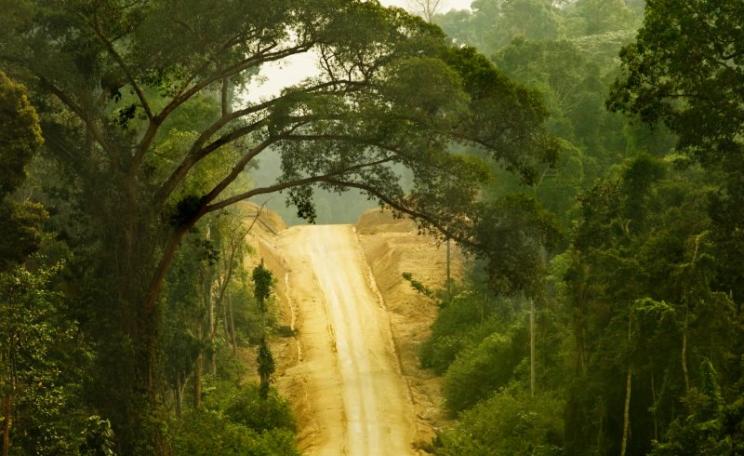
Based on current performance tropical forests, the world's most biodiverse ecosystems, are set to be reduced to species-impoverished fragments by the end of the century, writes Simon Lewis. But it's not inevitable. Decisive action by the world's governments in Paris in December could secure desperately needed change.
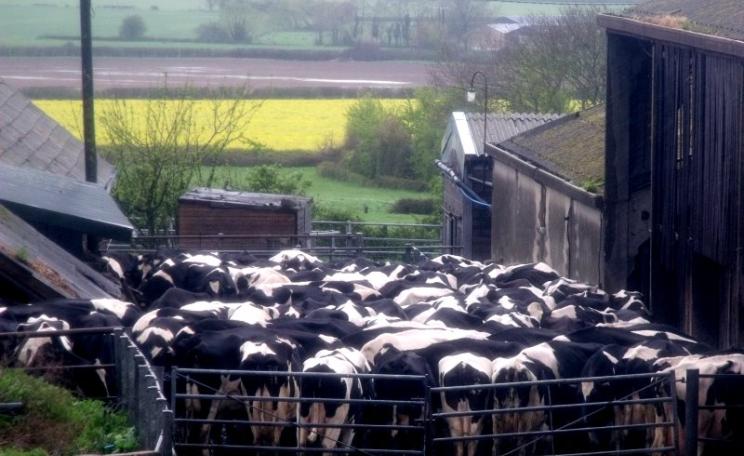
Just as the banks are 'too big to fail', so Britain's struggling dairy farmers are 'too small to save', writes Simon Fairlie. And it's not just the government that's happy to see 16 dairy farms go the wall every week - it's also the National Farmers Union to which most pay their dues. The NFU's paradoxical response to the milk glut is to push for ever higher, more intensive milk production.
Jeremy Corbyn's soaraway success in Labour's leadership contest poses an existential threat to the Greens, writes Rupert Read. To counter it we must re-assert our distinctive ethos, values, policies and principles, rooted in ecologism not socialism, respecting natural limits, opposed to endless economic growth, dedicated to building and sharing the wealth we all hold in common.
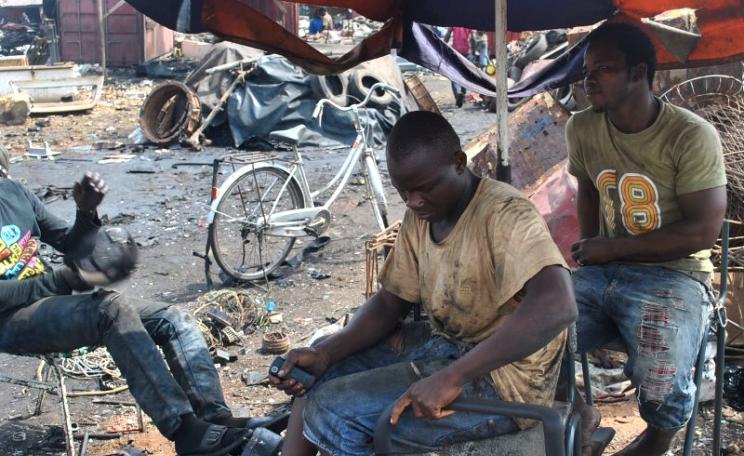
Most accounts of Agbogbloshie, the e-waste site in Accra, Ghana, persistently miss the point, writes Dagna Rams. Far from being a simple 'dump' for the world's trash, it is a huge recycling operation that pays for the wastes it receives, employs thousands of young men who would otherwise lack jobs, and plays a huge role in the national and global economy.
Following high-level criticisms of the Hinkley C nuclear plant from HSBC and the Chancellor's father in law, EDF, the company in line to build the power station, is fighting back hard, writes Oliver Tickell. But it could all be too late to rescue the doomed project.