Greece's refusal to accept a century of debt servitude to illegitimate creditors is a decisive moment for Greece, Europe and indebted nations everywhere, writes Yanis Varoufakis. With even the IMF agreeing with SYRIZA's economic analysis, the troika's insistence on endless austerity was only meant to ruin Greece and humiliate its government. But now everything has changed.
Britain's renewable energy surge will hit the buffers as funding dries up, writes David Toke - while cuts to the energy department's budget will wipe out its ability to guide the UK's low carbon energy transition.
Within minutes of Labour's election defeat its MPs were denouncing Miliband for failing to 'embrace aspiration' and alienating 'wealth creators', writes Ben Whitham. But the real problem was that he never expressed a coherent alternative to neoliberalism and austerity, presenting at best a 'Tory lite' agenda that failed to inspire. And who are the real wealth creators anyway?
As Greece prepares for its referendum, Takis Grigoriou takes Greece to task for its highly polluting lignite power sector, its ditching of a successful solar program in favour of more coal, the minimal insulation in its buildings that locks in high fuel bills, and Syriza's failure to tackle these issues. The good news? Greece's latest €1.4bn coal project looks like going unfunded.
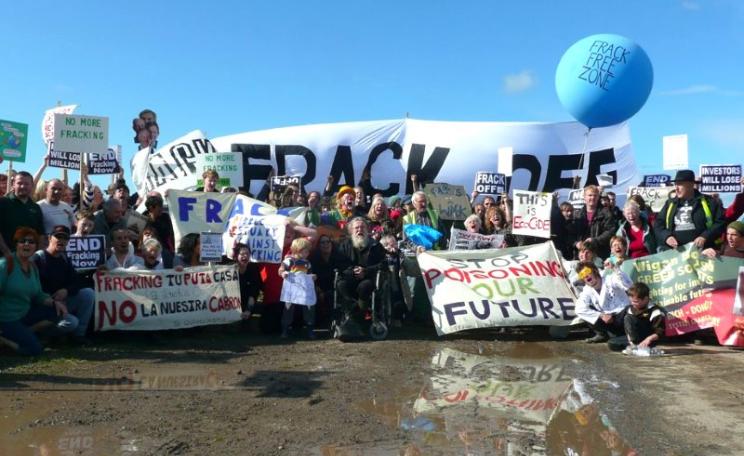
House prices could fall 7% near fracking rigs, according to the 'secret' Defra report on fracking in rural areas, only published in full after a legal battle, while leakage of waste water could damage human health and contaminate food.
This month the UN is meeting to enact binding global rules on the conduct of business and transnational corporations, writes Sam Cossar-Gilbert, reversing the trend for increasing business empowerment in TTP, TTIP and TISA. The new UN Human Rights Treaty aims to provide justice for the victims of corporate criminality anywhere in the world.
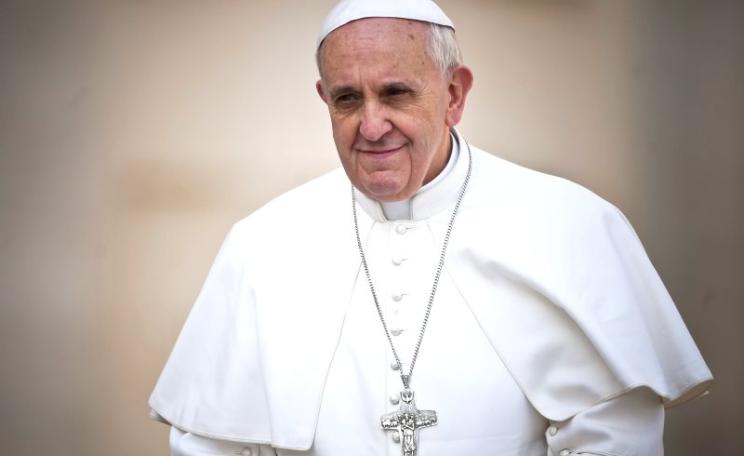
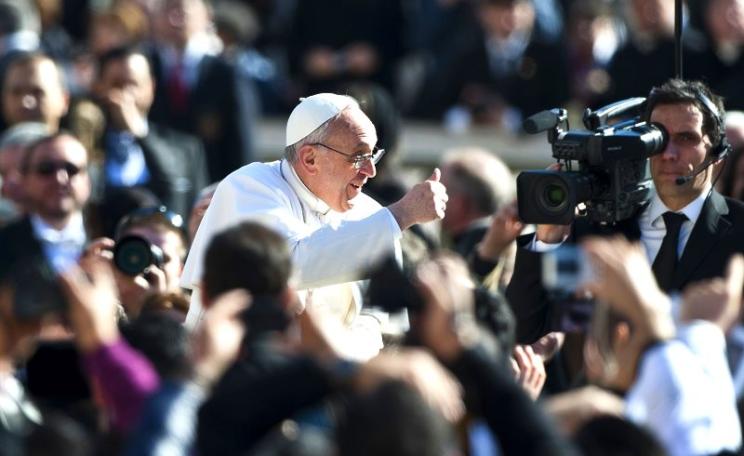
We must beware an 'environmental' agenda that excludes the human dimension, Pope Francis writes in his recent Encyclical: the poor are least to blame for the ecological and climate crises, yet they are its primary victims. Humanity must make enduring decisions about the world we and our children will share.
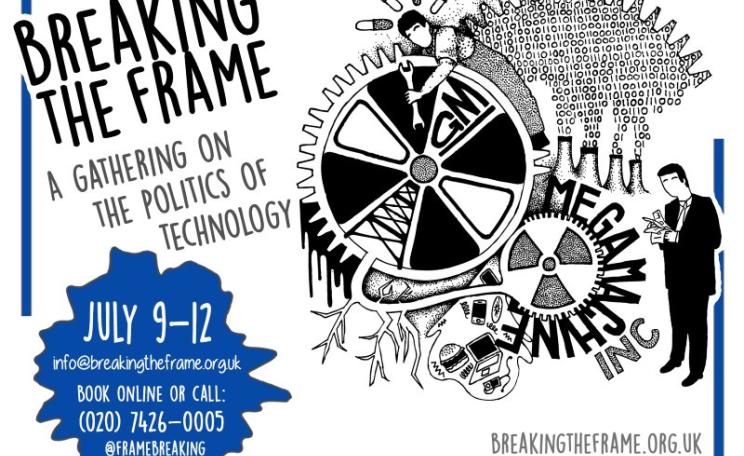
Technology is crucial to all the big issues, but criticism is hampered by mythologies and structures of power, writes David King. Designed by and for corporate interests, modern industrial technologies embody a 400-year old technocratic philosophy of control of nature and people which must be confronted.
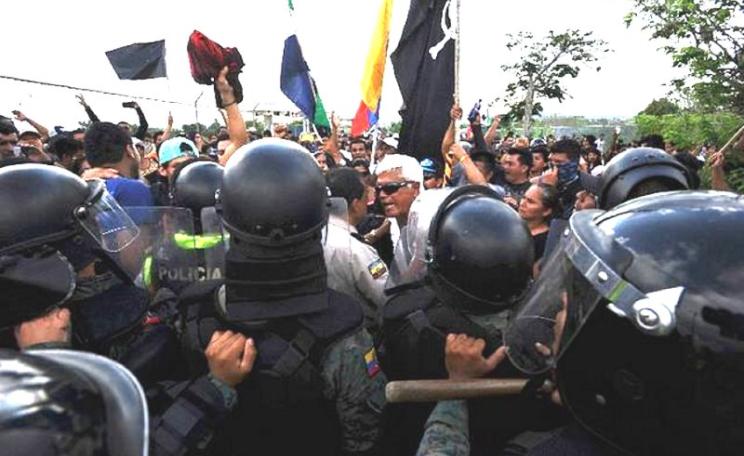
Residents of Ecuador's Galápagos islands are mounting angry protests against government plans to open the World Heritage Site to foreign investment in luxury tourism and hotels, writes Jane Shaw. They fear for the fragile ecology of the islands, for water shortages caused by golf courses and swimming pools, and for their livelihoods which depend on current 'low intensity' tourism.
The UK has the best wind power resource in Europe, yet it costs far more than in less windy countries like Germany, writes Andrew ZP Smith. That's because of government policies that undermine investor confidence, and fail to recognise that wind power, despite 'subsidies', lower the price consumers pay for electricity.
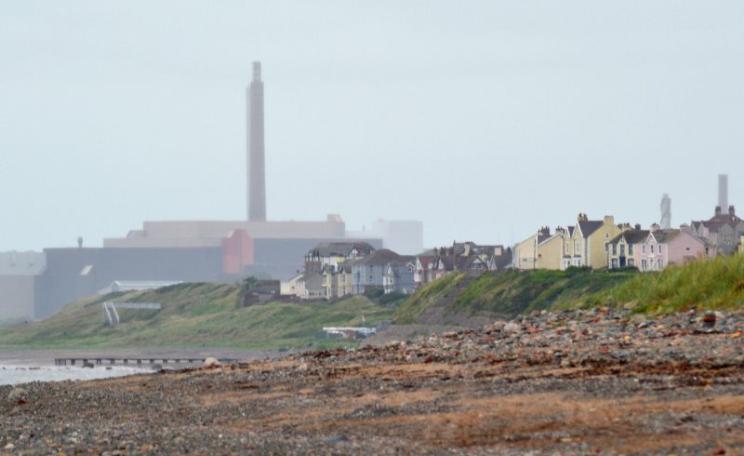
Despite the PR spin the truth about nuclear power is clear, says Paul Flynn. Current projects are plagued with technical failures, cost escalations and long delays - while renewables power ahead. As tin-eared ministers refuse to get the message, it's time for civil servants to speak out direct to the public.
The Encyclical published today by Pope Francis represents a profound religious and philosophical challenge to the mainstream narratives of our times, writes Steffen Böhm, and a major confrontation with the great corporate, economic and political powers, as it spells out the potential of a new world order rooted in love, compassion, and care for the natural world.
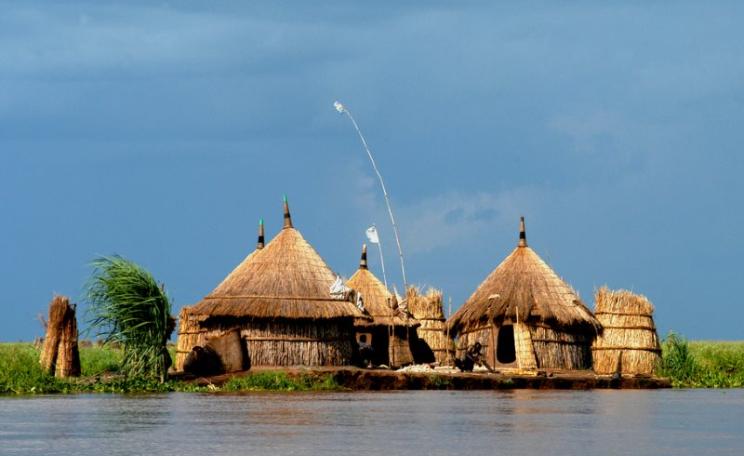
It's not just western corporations that are moving into large-scale agribusiness in Ethiopia, writes Mohammad Amir Anwar. Indian investors have acquired rights to some 6,000 sq.km of land much of it in the ecologically sensitive Gambela region, where unconsulted Nuer and Anuak peoples are suffering from forest clearance.
A long scheduled vote on the TTIP was suddenly postponed in the European Parliament today, writes Nick Dearden. Officially, this was because there were 'too many amendments'. But in reality TTIP backers smelt defeat and ducked the democratic test.
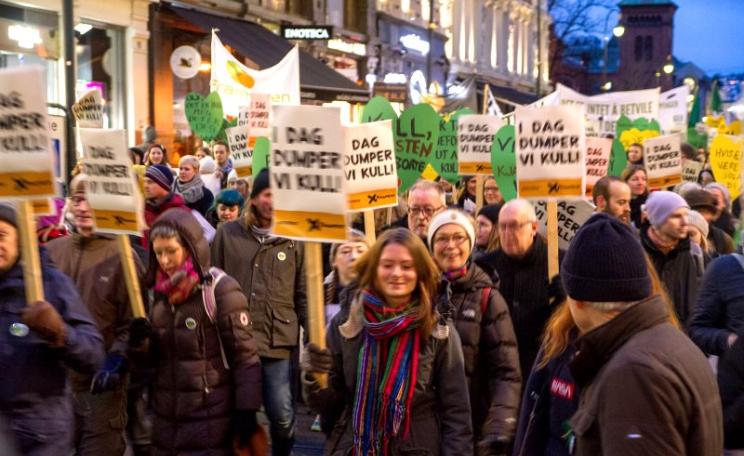
Norway's sovereign wealth fund, worth over $900 billion, has today announced that it will divest from coal, a move expected to force the sale of investments worth $13.3 billion. Campaigners say that other funds have now 'run out of excuses' not to follow suit.