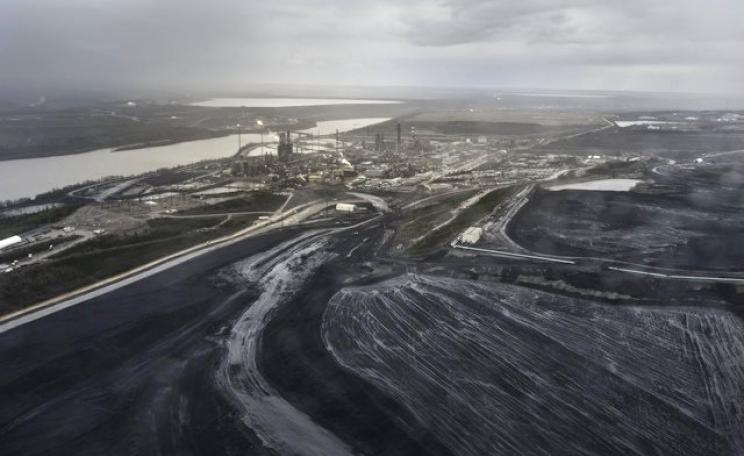
Alaska has put in place a 'citizen's income' paid to every resident by right - their dividend from the state's oil and gas wealth. The principle should be applied everywhere, writes Peter Barnes, compensating us for the enclosure and exploitation of the global commons, our shared inheritance of land, water and sky.
India's renewable power capacity is set to reach 170GW by 2022, write Areeba Hamid & Oliver Tickell - reducing power shortages and bringing electricity to off-grid of rural communities for the first time. But it may also have an unintended consequence - cutting off investment in India's troubled coal sector as prospects for future profitability evaporate..
A powerful call has gone out the the US Export-Import Bank not to finance a massive coal mine, railway, port terminal and dredged 'canal' through Australia's Great Barrier Reef with $1 billion in loans and guarantees.
While mainstream media promulgate a fictitious message of Russian threats in the Baltic, Vladimir Putin's next big play lies far to the south, writes Oliver Tickell. The gross intransigence of the EU, the IMF, the European Central Bank and Germany are forcing Greece into a powerful new economic and energy alliance with Russia that will reshape Europe - and for the better.
China has now overtaken the European Union as the largest new market for solar power, writes Paul Brown - as solar PV becomes one of the world's fastest growing industries - and one that's sure to keep on getting cheaper!
Current oil price volatility is a symptom of the end of cheap oil, writes Nafeez Ahmed, and it's destablising the entire global economy. The answer is a major shift to renewables - but the the International Energy Agency, which should be leading the transition, is in the grip of nuclear and fossil fuel interests. Instead the leadership must come from us, the people!
Faced with climate change, economic doldrums and collapsing oil prices, the government has the perfect opportunity to put Britain on the right track, write Simon Bullock & Tony Bosworth - reduce our dependency on fossil fuels, and invest in renewables and efficiency. So what's it actually doing? The exact opposite.
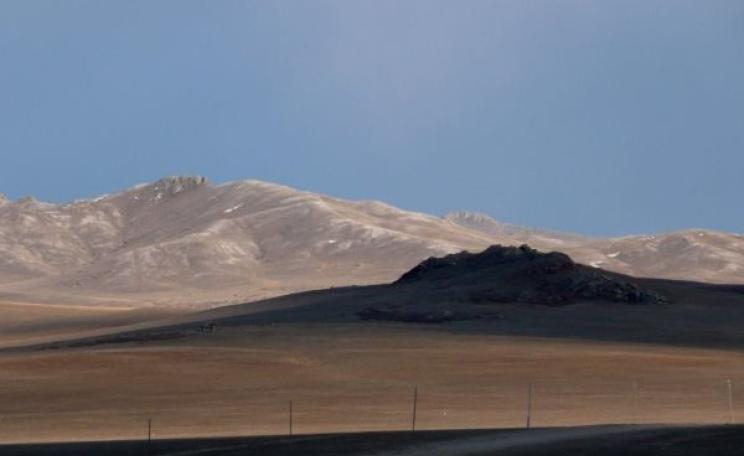
In his search for alternatives to consumerism and industrialism, Jules Pretty travelled around the world to find surviving nature-based cultures. In this extract from his book 'The Edge of Extinction', he tells of the Tuva people of the Siberian steppe - proud of their traditions and closeness to the land, but very much part of the modern world - strictly on their own terms.
Launched at Davos this week, a WEF report on electricity generation predicts that solar power will cost twice as much in 2030, as the lowest cost sources today, writes Chris Goodall. It's sources? WEF isn't telling. But if 'facts' like these are driving the decisions of big energy CEOs, heaven help their companies in years to come.
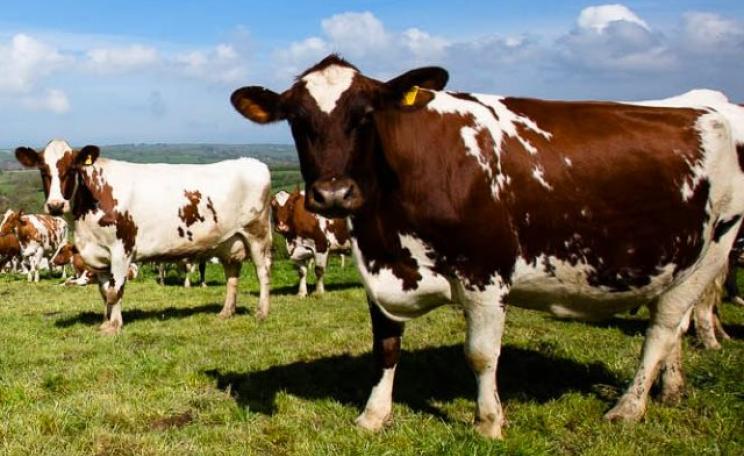
As hundreds of British dairy farmers are forced out of business by milk prices well below production cost, writes Patrick Holden, it's time for a 'fair trade' British milk label that guarantees a fair price to smaller scale farmers operating to good environmental and animal welfare standards.
When 97% percent of respondents to a European Commission 'consultation' on the TTIP EU-US trade deal opposed it outright the Commission accused them of 'hijacking' the process, writes Nick Dearden - and pressed ahead with negotiations. Whose Europe is it anyway?
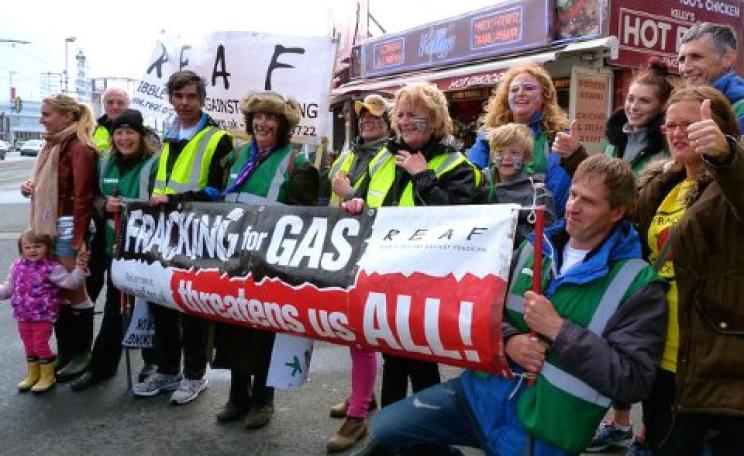
UK politicians and officials are studiously ignoring the growing evidence that fracking is an economic and environmental disaster, writes Paul Mobbs. As the circle of 'acceptable' view spins ever smaller, industry PR is dominating a phoney debate that's increasingly remote from reality, public opinion and core democratic principles.
Peter Mandelson is 'intensely relaxed' about growing inequality, but he shouldn't be. It's the result of a 'trickle up' economy which perpetuates and fosters injustice, violence and ill health, writes Global Justice Now, and corrodes democratic societies at their very foundations.
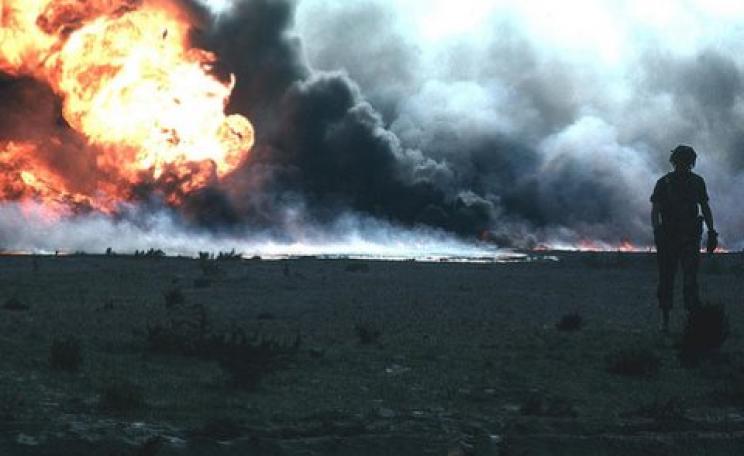
The global economic shake-down of low oil prices continues apace, writes Alexander Reid Ross, causing environmentalists to celebrate the collapse of dirty energy projects. But the oil price collapse is the manifestation of a multi-layered conflict being fought out on the political, military and ideological battlefields of the Middle East - and it may not last much longer.
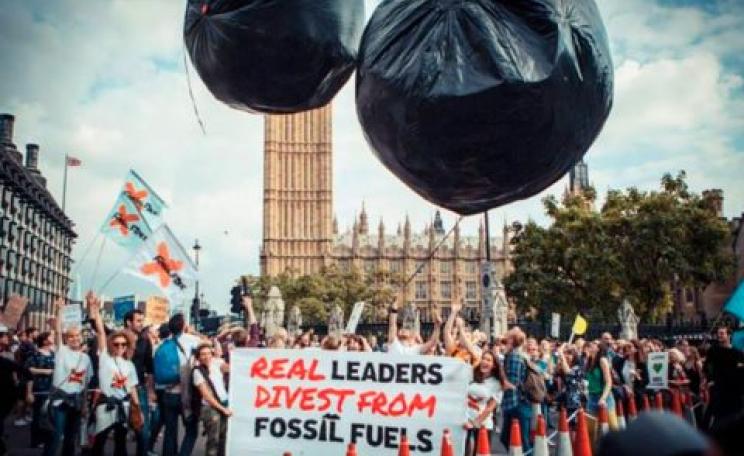
With 80% of the world's fossil fuel reserves 'unburnable' if the world is to meet its climate targets, writes Melanie Mattauch, the divestment movement is moving from strength to strength. As investor confidence in fossil energy ebbs away, 2015 is where the endgame for a dying industry begins.