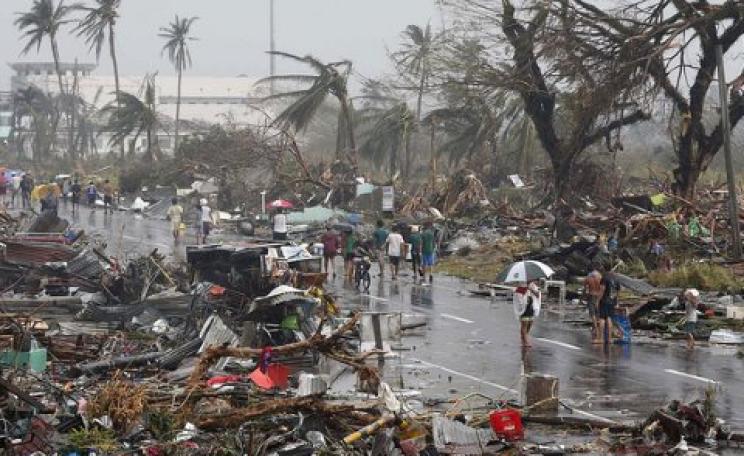
A year ago Typhoon Haiyan, one of the strongest tropical cyclones ever recorded, struck central Philippines leaving tens of thousands of people dead and missing, millions homeless and livelihoods destroyed. Today climate-affected communities worldwide are demanding change.
The IPCC's 'synthesis report' makes a good scientific case on climate change and the need for action, writes Roger Jones. But its economics are weak, especially when it comes to the costs of inaction. And nowhere does it set out the core truth - that the alternative to swift, effective action is to create a hellish, dystopian world for our descendants to endure.
The UK and 13 other EU trade ministers have written to the European Commission's new head imploring him to include secret, much criticised investor protections in the controversial TTIP, the EU-US trade and investment deal, writes Jurgen Maier. Is this a democratic snub too far?
Fossil fuel companies are a risky investment thanks to the 2.8 trillion tonnes of 'unburnable' carbon in their reserves, writes Franklin Ginn. But there's an even stronger reason to support fossil fuel divestment: to erode their political power, which they use to block progress to a sustainable, low carbon future.
Hinkley C's subsidy package may have won European Commission approval - but now it faces a National Audit Office 'value for money' investigation, following a demand from a powerful Parliamentary committee.
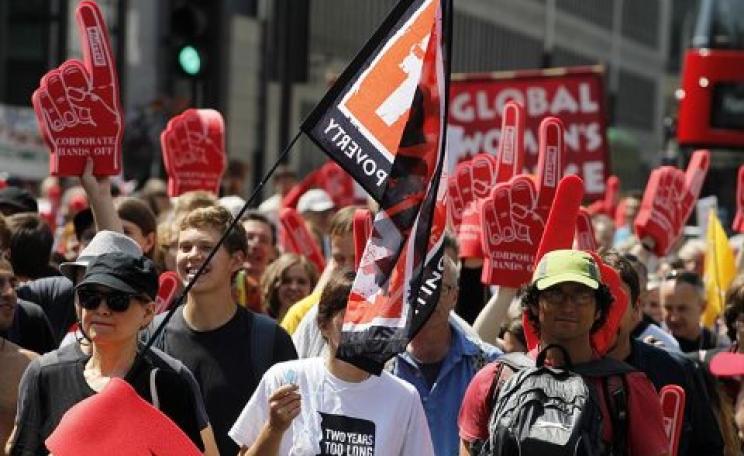
The TTIP - a massive trade and investment deal under negotiation between the US and the EU - could be the end of democracy as we know it, writes Morton Thaysen, as corporate rights will supplant those of ciizens and elected governments. Join a global day of action today!
The green dream of being a small farmer producing high quality, organic food for local people has ended up being anything but for Alicia Miller. The problem is money - there's never enough of it. But she's not alone. All over the world, life is a financial struggle for small, ethical cultivators, and constant source of stress.
The outgoing European Commission has just given the UK's controversial Hinkley C nuclear project the go-ahead, writes Paul Dorfman - approving a deal that will cost the UK public tens of billions of pounds. But now the deal faces a legal challenge in the European Court of Justice.
Microfinance - lending poor people small sums to capitalise sustainable, profitable livelihoods and businesses - is widely lauded as a 'good thing'. And at its best, so it is. But some micro-lenders in south Asia operate with the methods, and ethics, of loan sharks, write David Hulme & Mathilde Maitrot. Can microfinance save its soul?
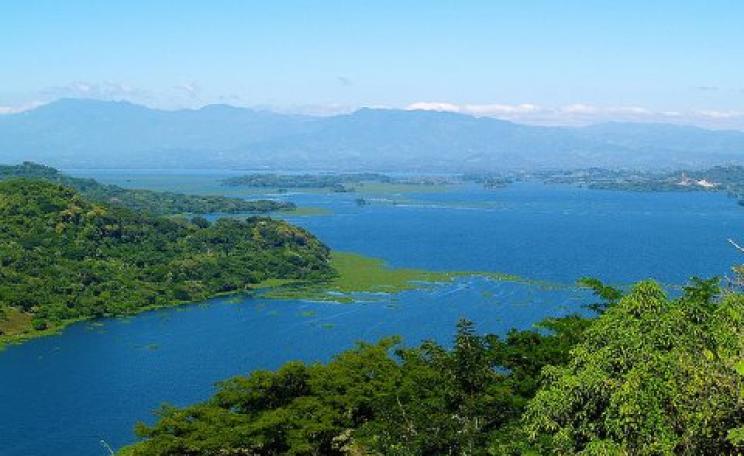
OceanaGold is demanding $300 million in compensation from impoverished El Salvador after a mining permit was refused to safeguard a clean drinking water source that millions of people depend on, writes Pete Dolack. The sum does not even represent losses - but profits the company claims it would have made.
When Shell decided to quit its Arctic oil exploration it cited 'insufficient quantities' of oil and gas, writes Louise Rouse. But that was not the whole story: what tipped the balance was a combination of investor discontent, reputational damage and public opposition on an unprecedented scale.
The eviction of Kenya's Sengwer forest people in a World Bank financed project was a failure of the Bank's duty to protect indigenous people, according to an internal report. The Bank's directors are to decide on how to respond today - but if they follow their own management's advice, the evictions will continue.
The movement to divest from fossil fuels is gaining strength, writes Ruth Lumley, with $50 billion of institutional investment behind it. This week's news that almost $1 billion of Rockefeller money is moving from fossil fuels to clean energy shows that the world is changing faster than most ever imagined.
If the world's leaders really cared about climate change, there's one easy way to reduce emissions, writes John Weeks - drop the obsession with increasing trade, and all the pollution that goes with it. A world based on local production, consumption and finance will be a better one for people and the environment.
At the UN climate summit in New York today, institutional investors managing $24 trillion of assets are demanding stronger, more ambitious policies on climate change, writes Kieran Cooke. These include an effective carbon price and an end to fossil fuel subsidies.