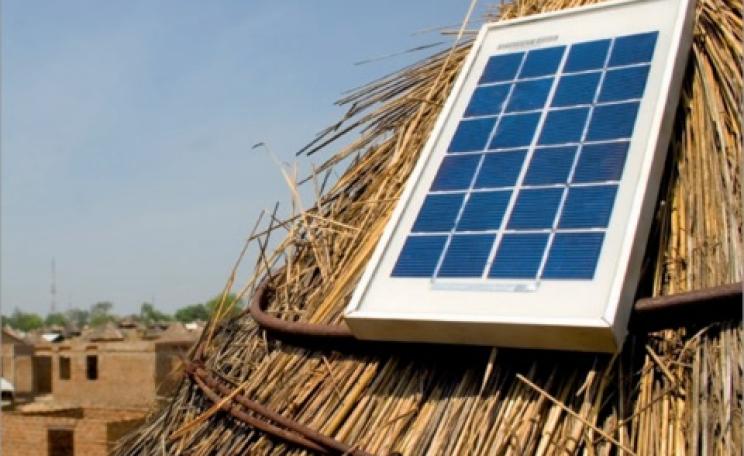
Donors, NGOs and investors want to help grassroots sustainable energy enterprises grow, so they can bring the myriad benefits of clean and affordable energy to many more people, writes Emily Haves. But just what kind of support is needed?
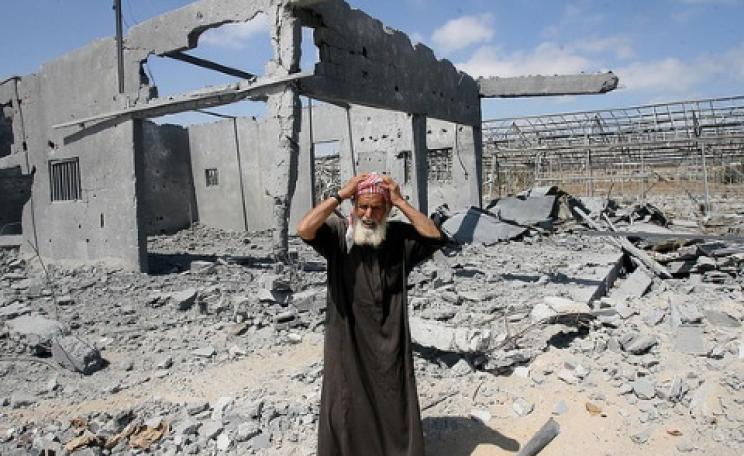
As Israel pursues its war on Gaza with ever-increasing ferocity, and with 25% of Gaza's people forced from their homes, what's the final objective? It's unthinkable that Israel's aim is to 'cleanse' the territory of its people, seize its vast gas reserves, and annex some of the Med's hottest real estate. Isn't it?
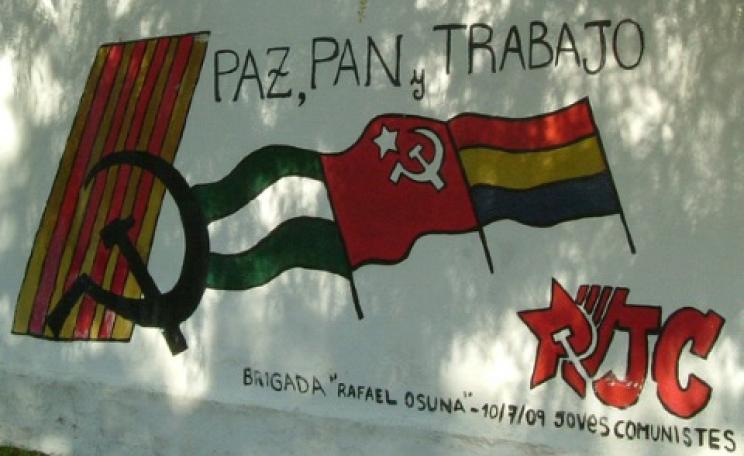
Amid Spain's general depression, Marinaleda - an Andalucian town sometimes dubbed the 'communist utopia' - is bucking the moribund trend with a heady mixture of direct action, community-level democracy, cooperation and mutual aid.
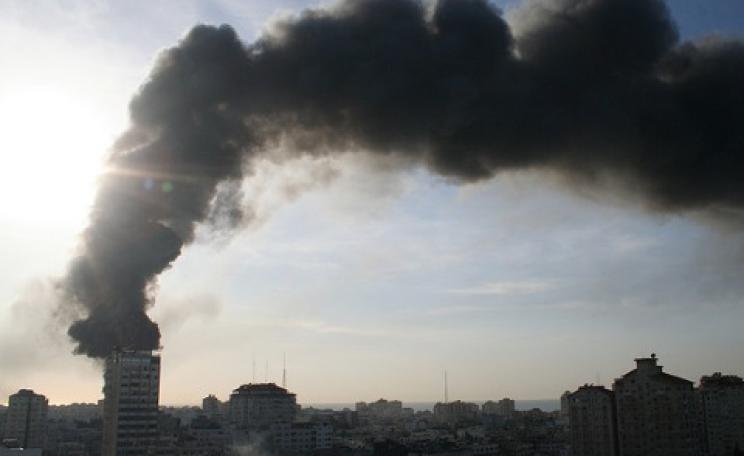
Israel desperately covets Gaza's gas as a 'cheap stop-gap' yielding revenues of $6-7 billion a year, writes Nafeez Ahmed. The UK's BG and the US's Noble Energy are lined up to do the dirty work - but first Hamas must be 'uprooted' from Gaza, and Fatah bullied into cutting off its talks with Russia's Gazprom.
Using local currencies to stimulate local economies and revalue local labour over imported products and resources sounds like a great idea - but recent experiences have proved disappointing. Are there other ways to 'close the money loop'?
The UK's conservative Daily Telegraph warns: investors in fossil fuels are 'throwing good money after bad', reports Nathan Wood, as renewable energy takes off leaving a potential $19 trillion of oil assets 'stranded'.
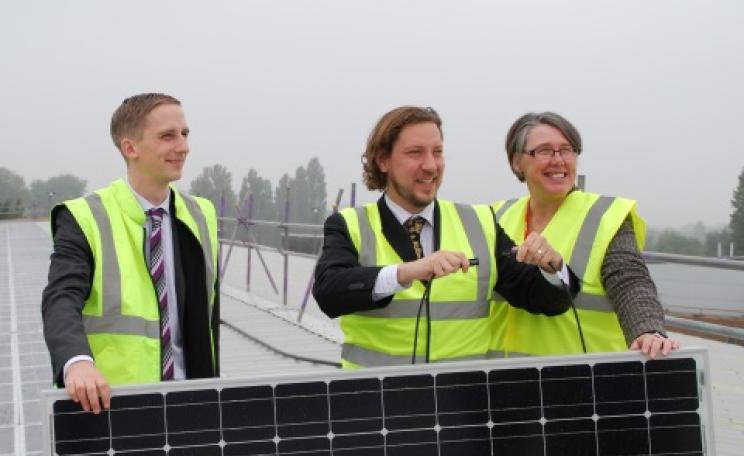
A partnership between an Oxford-based social enterprise and the local Council provides a blueprint for financing community energy projects, writes Wendy Twist. And with £2.3 million in the bank, things are really starting to move ...
If we're serious about cutting CO2 emissions, there's no place for nuclear power, writes Ian Fairlie - because it's the least cost-effective way to do it. By far the best way is to improve energy efficiency. But tell the Government the truth, and it'll close you down.
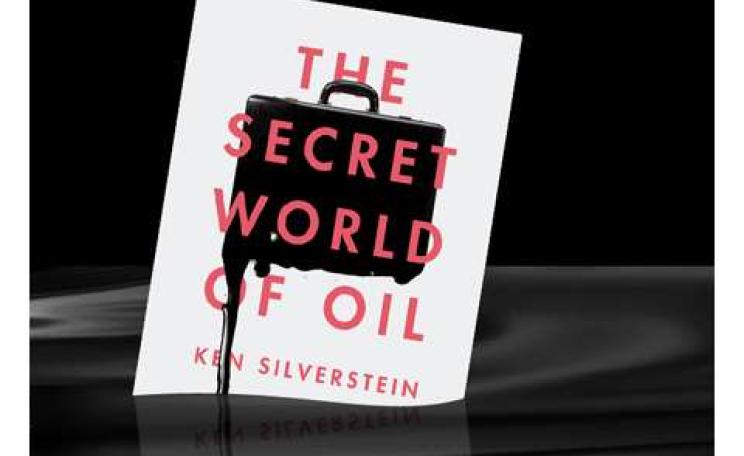
In Ken Silverstein's 'The Secret World of Oil', Louis Proyect investigates the uber-wealthy middlemen of oil, inhabiting a pampered universe of moral squalor and depravity - one in which Tony Blair found himself completely at home.
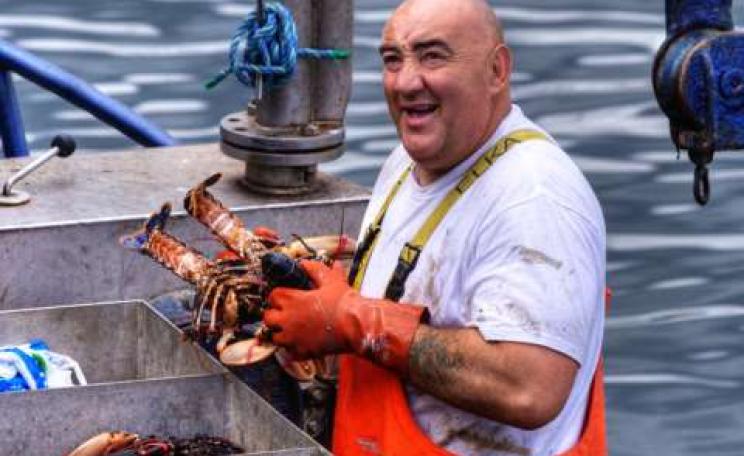
Fishing quotas were meant to conserve stocks and support fishing communities, writes Emma Cardwell. But they have achieved the reverse - rewarding the most rapacious fishing enterprises and leaving small scale fisherfolk with nothing.
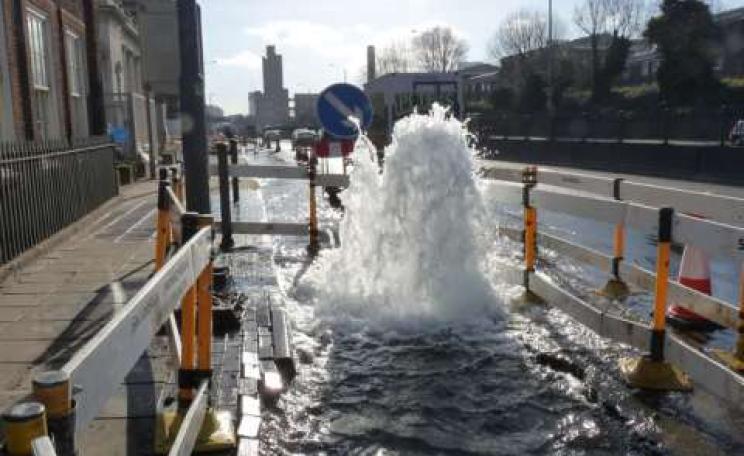
Using sophisticated financial engineering, Thames Water is making its customers pay almost the whole cost of its £4.2 billion London sewage tunnel. Is it time England ditched corporate ownership of its utilities and adopted Wales's 'non-profit' model?
Detroit is shutting off water to 40% of residents to prepare the water system for a corporate buyout, writes Justin Wedes. Residents are organizing to resist the water shuttoffs, anti-democratic rule and the demands of Wall Street - but they need our help!
In modern India any form of dissent from the neoliberal corporate model of development is being criminalised, writes Kumar Sundaram. Opponents of nuclear power, coal mines, GMOs, giant dams, are all under attack as enemies of the state and a threat to economic growth.
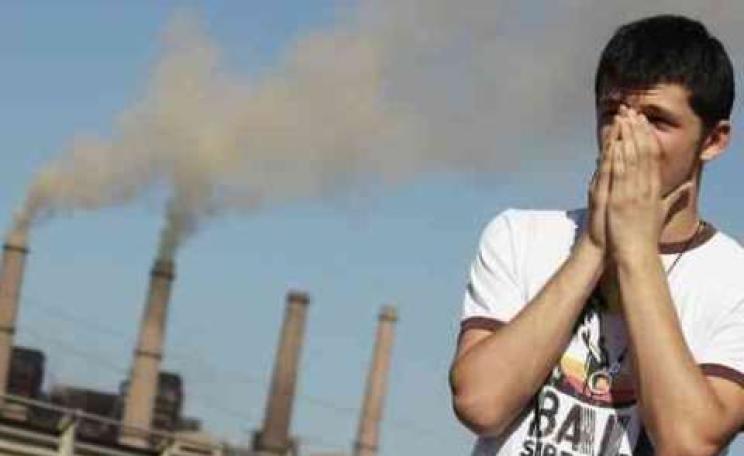
The World Bank is still deciding how to respond to Kosovo's request for funds to build a new 600MW power station burning filthy 'brown coal', writes Michael Brune. It's time for the World Bank, with strong US backing, to give the project a firm 'no way'!
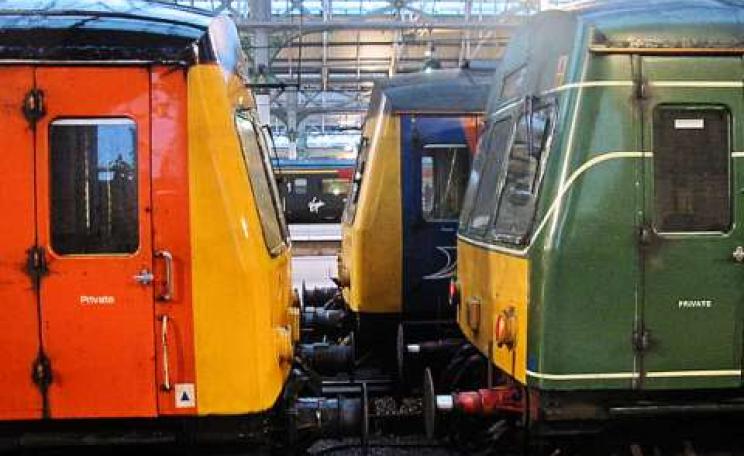
High speed railways connecting Liverpool, Manchester, Leeds, Huddersfield and Sheffield could transform the economy of the north of England, writes Ian Wray - creating a new mega-city that could challenge London's over-dominance.