A Parliamentary report reveals that £200 million has been wasted on failed 'public-private' PFI projects for waste management, writes David Hall. The obvious solution: to allow local authorities to build and operate their own, which is cheaper and more flexible. The only problem: under UK government rules, it's PFI or nothing.
Sanctions against Russian natural resource tycoons could be good for the environment, writes eco-campaigner Konstantin Rubakhin - if only they would target the right people. But so far, the EU has been turning a blind eye to powerful Kremlin insiders with an open licence to pollute and destroy.
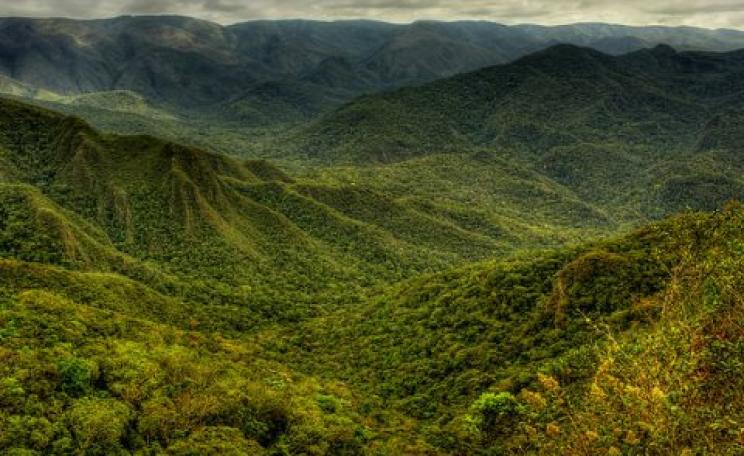
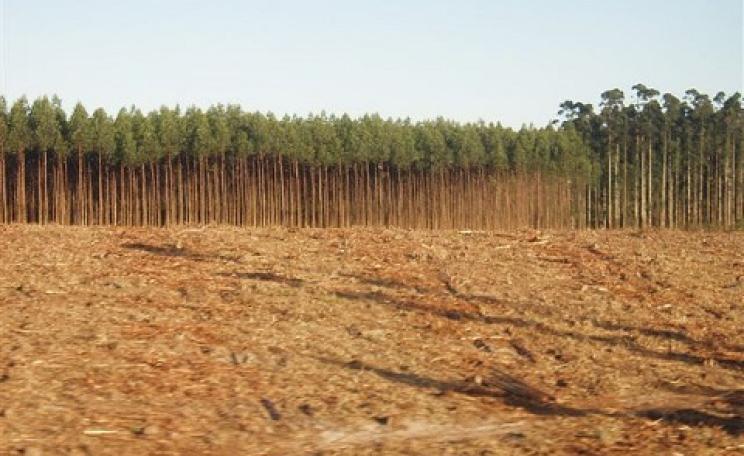
As Brazil prepares for elections next month, conserving its remaining Atlantic Forest is a hot issue, writes Cristina Banks-Leite. Ecologists want to preserve more native habitat, while farmers want to expand their acreage. But there is one solution that ought to please everyone.
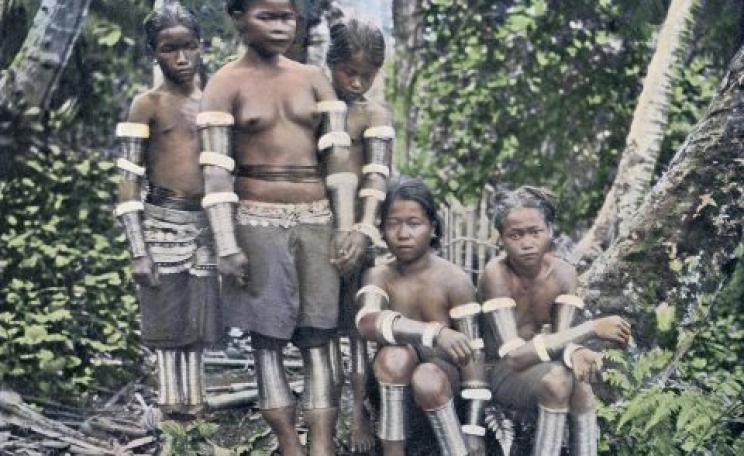
The World Bank is considering 'reforms' to its policies to protect indigenous peoples from the impacts of projects it finances that would devolve key decisions to national governments - such as whether an ethnic group is 'indigenous' at all. If passed by the Bank's Board, the changes would strip away a raft of essential human rights protections..
Plans to create a market in nature itself are fraught with danger, writes Alex Scrivener. Biodiversity offsetting could allow the fate of our forests, rivers, meadows and wildlife species, and the people who depend on them, to be determined by the whims of multinational corporations and speculative investors.
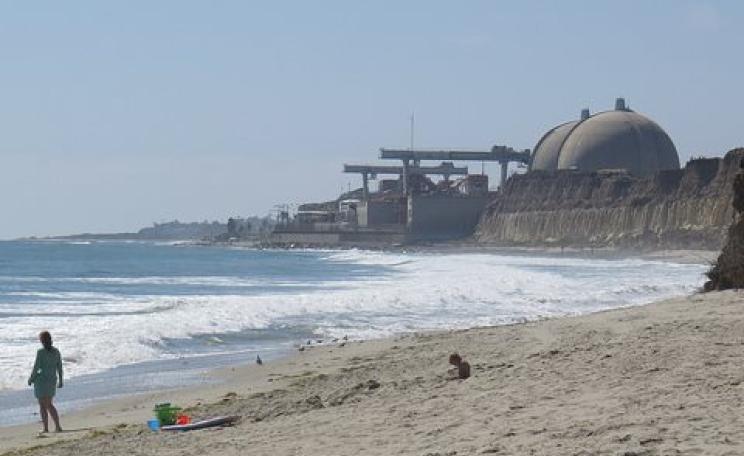
Nuclear power exists for one reason only, writes Ralph Nader - government support. Without the taxpayer subsidies, accident liability waivers and exploited consumers, nuclear power wouldn't exist. And even with all the above, it can barely hold on. It's time to end the nuclear boondoggle for once and for all.
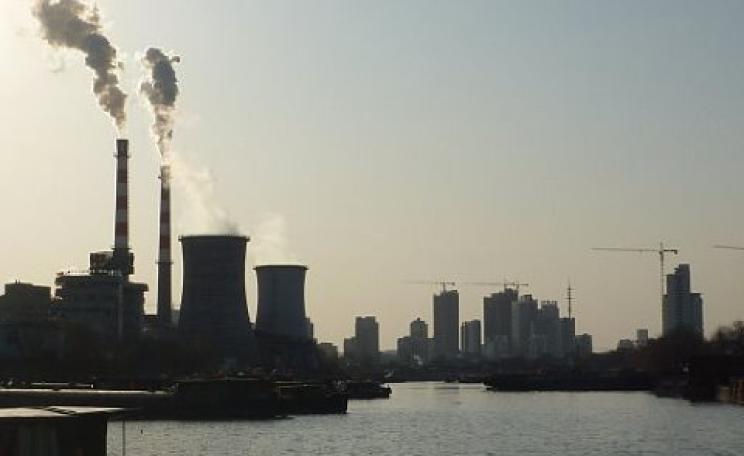
There are hopeful signs that China, the world's biggest emitter of greenhouse gases, is becoming less reliant on the polluting coal that powered its rapid economic rise, writes Kieran Cooke. Great news for China, and the planet - but worrying for coal exporters!
Hunter Lovins is on a mission, writes Sophie Morlin-Yron: to put the transformational technologies we already have to work for the benefit of people and business - and to re-create the economy so it's no longer a machine for polluting the planet and devouring natural resources, but a mechanism for building and sustaining natural and human capital.
Prospects for a global climate deal under the UN are receding fast, writes Assaad Razzouk, as the Green Climate Fund is short-changed by donor nations. But there's still plenty to hope for with a private sector that's stepping up to the mark, and fast-growing decentralised climate action.
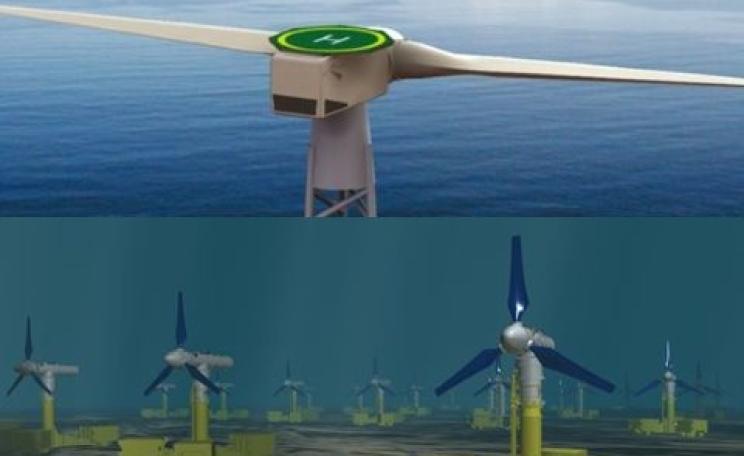
Two innovative renewable energy projects are moving forward in Scotland: Britain's first tidal power array, and the world's first deployment of two-bladed wind offshore turbines. The experimental technologies are hoped to achieve significant cost savings and unlock a huge offshore energy resource.
The plight of Kenya's Sengwer people shows that carbon offsets generated by 'sustainable' forest management are empowering a corporate recolonisation of the South backed by the World Bank against its own guidelines, writes Nafeez Ahmed. Indigenous forest peoples are at risk of genocide while corporations let rip.
A second canal joining the Pacific and Atlantic oceans is planned for Nicaragua, writes Nathan Wood. But the gigantic project is raising growing fears due to a grossly unfair contract, glaring failures of process, close links to the Chinese government, and its enormous - but uncosted - ecological impacts.
India's economy is hindered by the lack of sustainable and reliable electricity, writes Michael Jacob. But the new government has a plan to bring 24/7 power to every citizen, based on grid renewal, subsidy cuts, and a big rollout of ever-cheaper solar power generation.
What's the biggest threat to your life savings you've never heard of? Rebecca O'Connor shows how the world's exposure to unburnable carbon assets, and competition from clean energy technologies, could hammer your savings, pensions and investments.
The World Bank's 'Tropical Forest Action Plan' was an abject failure, writes Chris Lang. Now the same mistakes are being repeated under a new acronym. TFAP is out, REDD is in - but it's still all about corporate control of forests, and blaming deforestation on its victims.