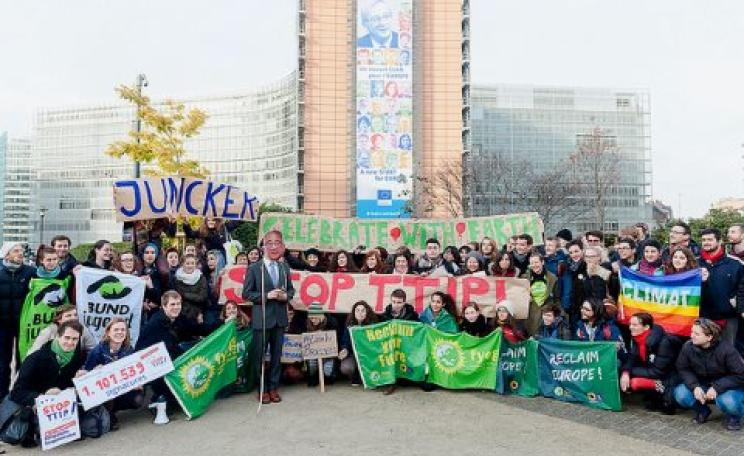
Campaigners today today delivered Commission President Juncker a 'birthday card' with 1.1 million signatures from EU citizens. Yes, it really is his birthday today - but the real message was calling on him to back off from negotiations over the TTIP and CETA trade deals with the USA and Canada.
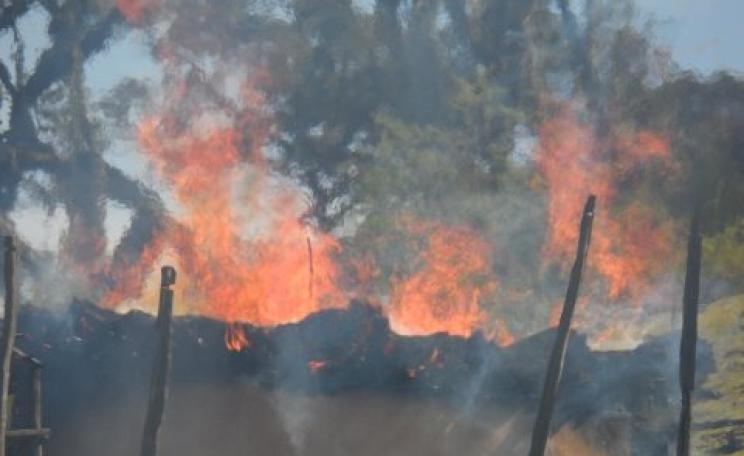
Financed by the World Bank, the Kenya Forest Service has intensified its illegal campaign of evictions, arson, beatings and arrests of the Sengwer forest people of the Embobut forest, Dean Puckett reports from the Cherangani Hills. And behind the violence lies the lure of hard cash - from the prospect of selling the forest's carbon to international financiers.
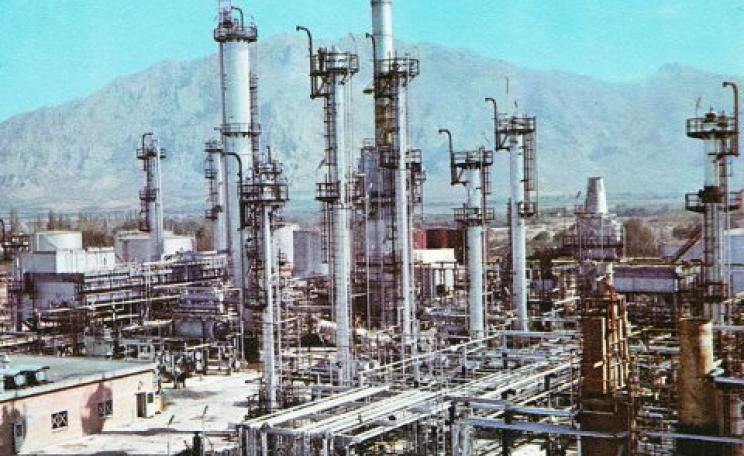
Are recent oil prices slumps caused by OPEC ganging up against tar sand and other high-cost producers? Or a sinister conspiracy to destabilise the Russian economy? Far from it, argue Jemma Green, Mark Andrich and Peter Newman - it's the simple result of an excess of supply over demand. And the low prices will be with us for some time to come.
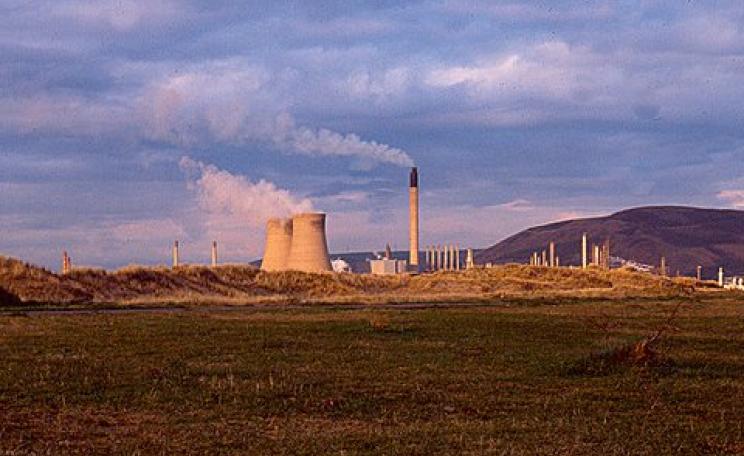
The UK Government plans to lock consumers into a 2.5bn a year, 15-year spend to support peak-time fossil power generation - while undermining energy demand savings capable of achieving the same purpose more cleanly and cheaply. But today the 'unlawful' system has been hit by an ECJ lawsuit.
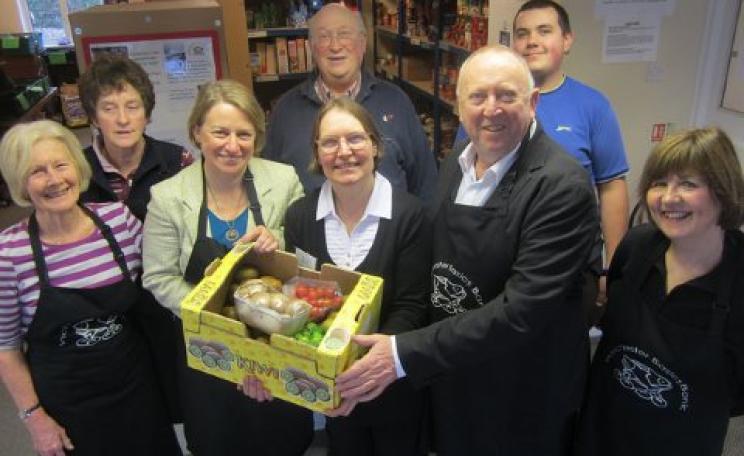
Today the Green party announced a doubling of its membership since January - 500 this last weekend alone, writes Ian Sinclair. They offer an increasingly attractive alternative to the 'mainstream' parties, who have little to offer but a bleak package of privatisation, neoliberalism and never-ending austerity.
Australia is betting the farm on huge increases in coal exports, writes Stephen Bygrave - just as key markets in China, India, Korea and Japan are drying up, with rising tariffs and huge renewable energy and efficiency programs. The policy is totally out of touch with reality - and will lead to revenue shortfalls in the AU$100 billions.
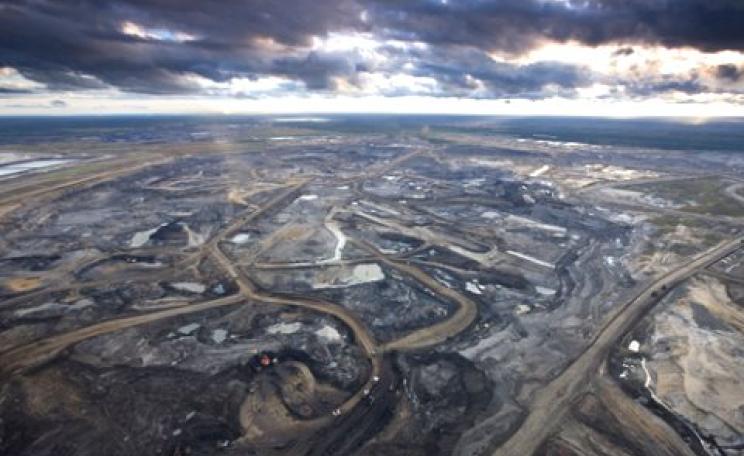
The exploitation of Canada's tar sands is more than just an environmental catastrophe, writes Gregory McGann. It's also an turning into an economic disaster, with massive investments at risk as falling oil prices leave the tar sands stranded.
The UK's community energy sector was badly hit by the financial regulator's sudden decision this summer to disallow renewable energy co-operatives, writes Tammy Calvert. A consultation on the topic ends tomorrow, Friday - so get your views in quickly while you can!
The president of the World Bank has promised to back out of financing coal developments, and instead target its finance at 'every dimension of renewable energy' under a new climate-friendly strategy.
EDF has already moved heavy earth moving gear onto the Hinkley C nuclear power station construction site, writes Doug Parr - but that doesn't mean it's a done deal. On the contrary, a host of intractable problems are coming home to roost, and the increasingly troubled project is looking shakier than ever.
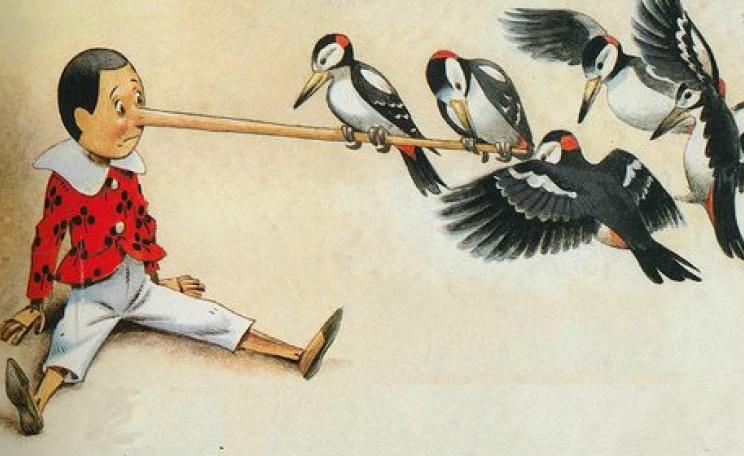
Who has the longest nose of them all? Worthy winners of France's fiercely contested 'Prix Pinocchio' 2014 were selected last night, recognising corporate greed, hypocrisy and malfeasance, based on a record vote since the awards began.
Farming today is well on the way to becoming a wholly owned subsidiary of the agro-chemical-biotech industry, writes Colin Tudge. Defra and the European Commission are all too keen to make it so, reflecting the interests of an agro-oligarchy obsessed with profits and growth at all costs. But there is an alternative. Join the 'real farming' agrarian renaissance ...
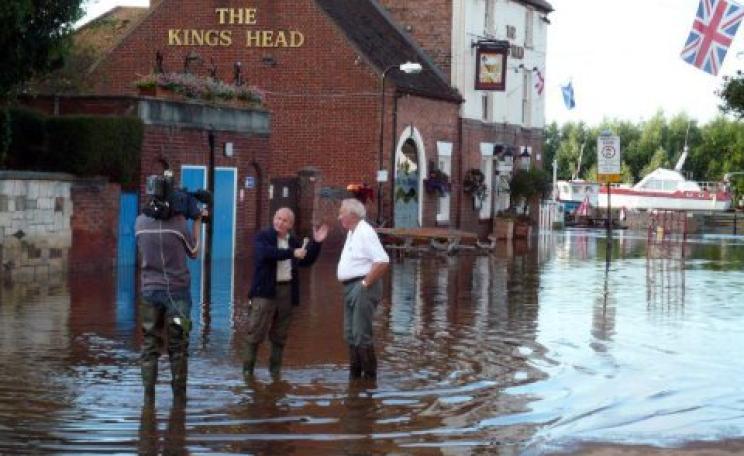
Such is the Government's neglect of our flood defences, revealed by a National Audit Office report, that they are failing to even keep pace with climate change, writes Guy Shrubsole. That alone is a national disgrace - but most shameful is that current expenditures mostly benefit the wealthy, while poor communities are neglected.
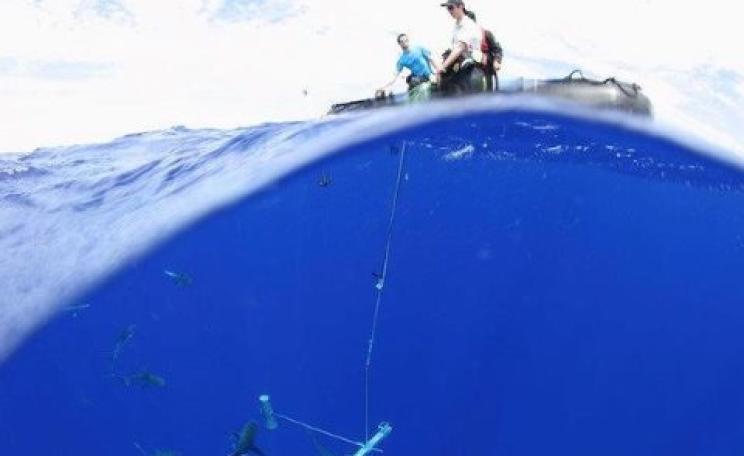
In 2003 nations pledged to place 20-30% of the world's oceans into no-take marine parks, writes Jessica Meeuwig - but more than ten years on, such areas now cover just 1% of ocean area. Now the World Parks Congress in Sydney, Australia, provides an opportunity to drive marine protection forward, and benefit both ecology and economy.
Despite promises to phase out subsidies to the coal, oil and gas industries, a new report G20 governments are still providing them with massive financial help, writes Alex Kirby. The UK alone is spending over £1.2 billion per year to support fossil fuel exploration and production at home and abroad.