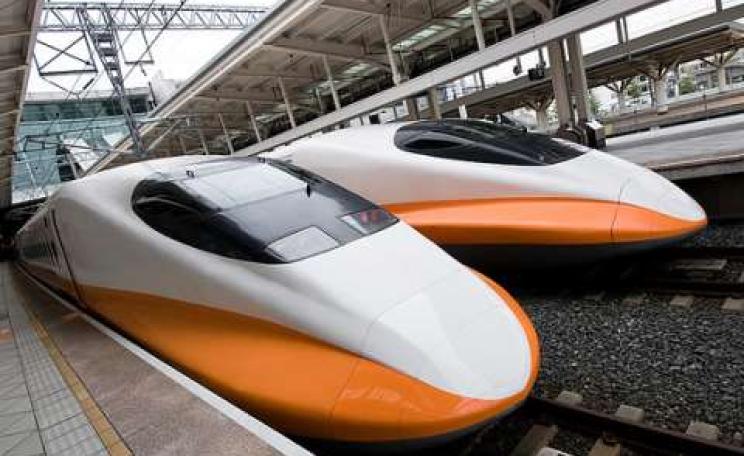
Tackling global warming with better public transport, increased energy efficiency, renewable energy, clean cookstoves, better waste management could increase global GDP by $2.6 trillion. The alternative is growing risk from harshening climates ...
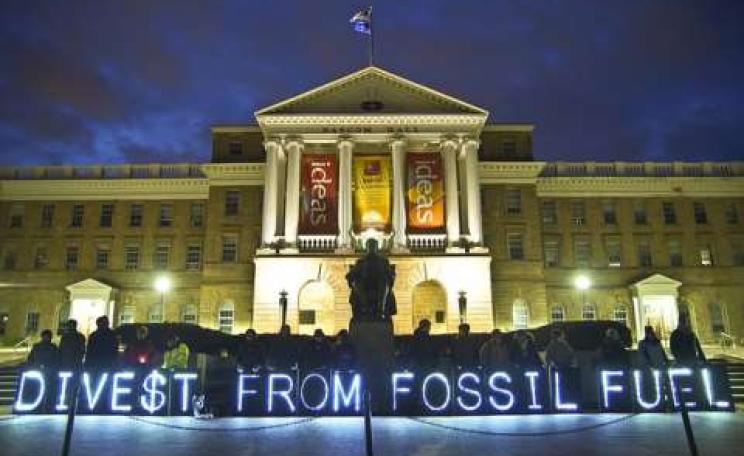
Britain's doctors have voted for their representative body, the British Medical Association, to divest from fossil fuels, writes Tierney Smith - adding valuable momentum to the fast growing global divestment campaign.
Migration is an essential component of strategies to adapt to changing climates, writes Alex Randall. Greens should welcome migrants and support their efforts to build climate resilience in their home communities.
Repowering London is an energising force - not just making renewable energy projects happen, but engaging communities to finance them, training young people to install them, and ensuring the benefits stay local. Lucy Anna Scott meets the dynamic Agamemnon Otero ...
Britain's deep-seated environmental and economic problems have nothing to do with immigration, writes Adam Ramsay, and everything to do with our unjust and divisive social order, and the austerity that is being inflicted on us by an oppressive ruling class.
France, Germany and other wealthy countries have positive policies on climate change, writes Steven Herz. So why are they handing out back door financing for new coal power stations abroad via 'export credits'? Over $5 billion from EU countries since 2007 ...
The EU's system for trading carbon emissions has cost consumers dear, while delivering few carbon reductions. Reforms are urgently needed, write Luca Taschini & Josh Gregory, and first among these is to open the market up to public scrutiny.
In the industrial era, economic growth has become equated with human progress, writes Jules Pretty, with a fundamental assumption that material growth and consumption inevitably leads to improvements in our well-being. Now think again ...
Our economies and our jobs depend on mass consumption, argues Oliver Williams. If we all consume less to save the planet, the economy will tank and millions will lose their jobs. The answer is not frugality, but reductions in population.
Ecuador is facing an unprecedented confrontation between a 'progressive' left-leaning government and a national coalition of indigenous peoples determined to stop vast oil and mining projects taking place on their community land and villages.
You can actually be better off, healthier and happier with less consumption, says Munasinghe. And it's not just rich countries that need to change, he told Noah Sachs - poor countries too must develop sustainably, or the Earth's resources will simply run out.
Supporters of HS2 assert that it will cause prosperity to trickle down from London to the entire North of England, writes Tony Payne. But economic theory and hard experience tell us that the reverse is more probable - that it will help London to 'suck out' northern wealth.
Where does money comes from? In the 97% of the money we use is created by commercial banks out of thin air, as they advance credit. Charlotte Jackson argues that this system costs us all dear - as citizens, debtors, taxpayers, and as victims of economic instability
Are we going to run out of minerals? That's the central question of a debate that has been raging for a couple of centuries, writes Ugo Bardi, when it first became clear that minerals are not life forms - and do not reproduce as we extract them from the Earth's crust.
Most of Europe is in a state of low economic growth, and it's likely to go on for a long time yet. So let's get good at it, writes Rupert Read, and build 'post-growth' economic systems that work for people and the environment - not just plutocrats.