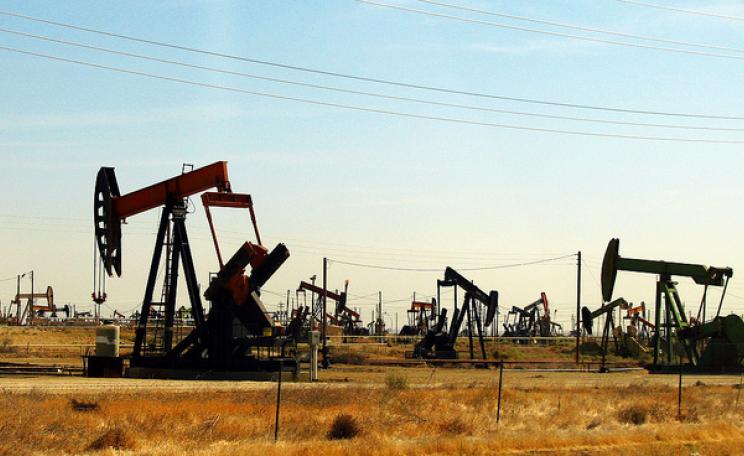
Financial experts warn investors that their money is being used by oil companies for high-risk projects, reports Paul Brown, on the assumption that oil prices will go on rising, with little or no regard for climate change. $1.1 trillion could be at risk.
Talis Kalnars was a pioneer of 'continuous cover' forestry in Britain, writes Phil Morgan. His woodlands were not only beautiful but profitable, as he nurtured the 'natural capital' of the forest ecosystem, and only harvested the dividend of high value timber.
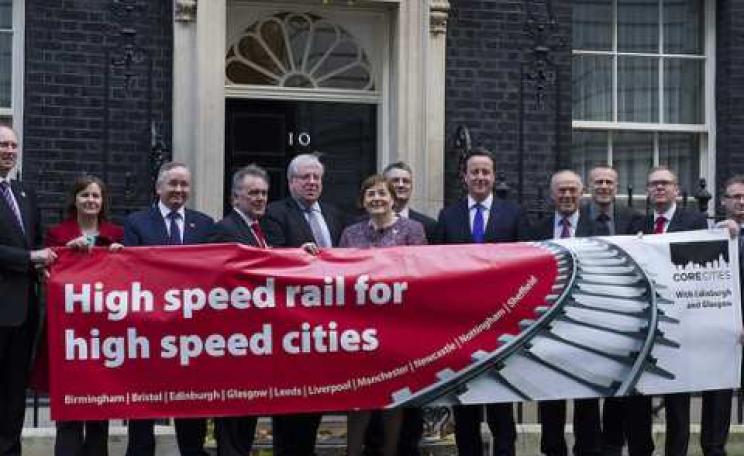
HS2, the UK's £50bn+ high-speed rail project to speed travel between London and Birmingham - and eventually Manchester and beyond is colossal waste of money, writes Rupert Read. The resources should be used to fund sustainable local and regional transport schemes.
One of the world's biggest fund managers has joined forces with London's FTSE group, writes Rebecca Cooke, to steer investors away from putting their money into risky oil and coal investments.
Well-being is not just a luxury for good economic times, writes Christine Berry. Reducing poverty and promoting equality are more important economic goals than the pursuit of endless growth.
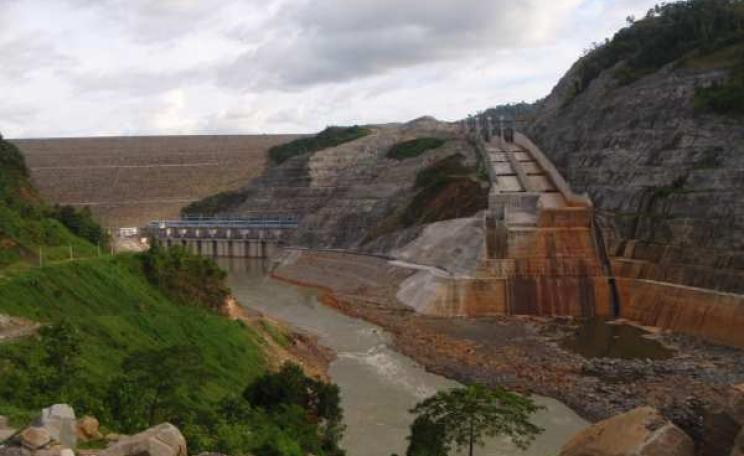
A study of 245 large dams carried out at Oxford University shows that big hydropower is uneconomic. Actual costs are typically double pre-construction estimates - and have not improved over 70 years. ASEAN energy ministers take note!
Green growth is a myth, writes André Reichel, because it ignores the social, political and personal dimensions of sustainability. Instead we must plan for economic 'de-growth' - and go for growth only in the areas that really matter, like culture, learning and joy.
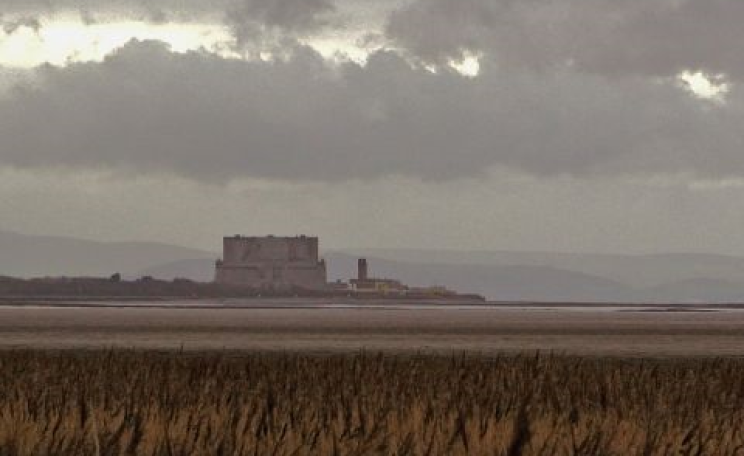
The UK tried to make the EU relax its rules on State Aid to allow subsidies to nuclear power. Now we know - it failed. The chances that the Hinkley C power station will ever be built have fallen another notch.
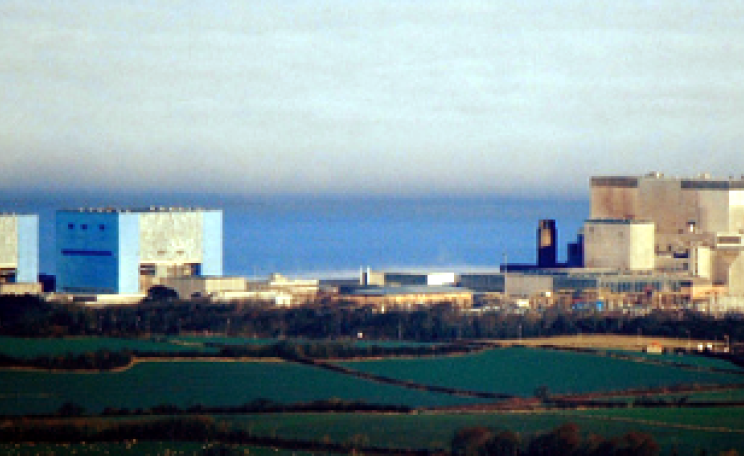
As the European Commission considers the £100 billion subsidy package the UK has offered EDF to build and operate Hinkley C nuclear power station, Paul Dorfman explains why the 'deal' is illegal, anti-renewables, and ruinous to energy users and tax payers.
A 'slow genocide' is unfolding in Ethiopia - one driven by greed rather than hatred. With Chinese and World Bank finance, massive dams and plantations are robbing the Omo Valley's 500,000 indigenous people of their land and water. The UK 'sees no evil'.
The IPCC's latest report makes a stark contrast with Osborne's recent budget, writes Molly Scott Cato. It was all about sacrificing our future for short term benefit - when as the IPCC makes clear, what we need is the precise opposite.
Climate policy could bite on fossil fuel resource values much faster than financial markets anticipate, writes Sam Fankhauser. It's time investors wised up to the hazards of investing in fossil fuels, when two thirds of them may have to remain unexploited.
Orthodox economics and finance have promoted a false account of money, writes Ann Pettifor. Change is necessary and possible. But it will come only through a revolution in the general public's understanding.
The struggle for collective rights unites all Indigenous peoples from North America to Palestine, writes Sarah Marusek - as does their common narrative of resistance to colonialism, imperialism and capitalism.
Political support for fracking is not just about energy, writes Paul Mobbs. It reflects the greater ecological and resource crisis at the root of our current economic woes - and only postpones the essential shift to a new kind of economy.