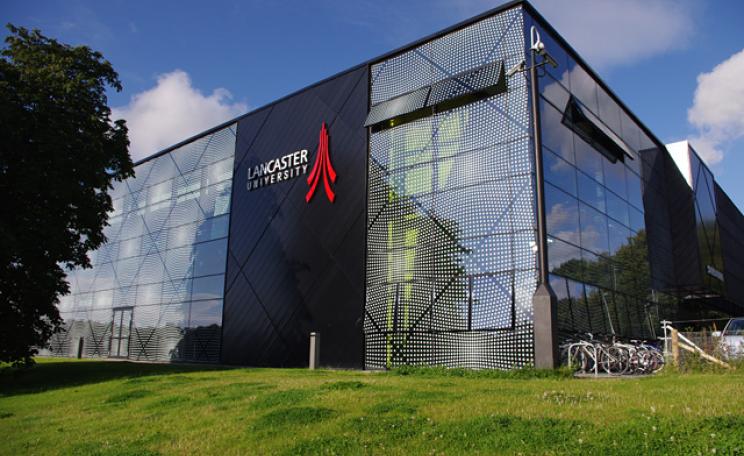
Are universities leading the way when it comes to producing their own energy - and if so, which university is top of the table? INDIA BENJAMIN investigates.
New, decentralised forms of energy are taking shape. Will these new forms be a stepping stone to replicating the developed world's centralised power systems, or will they be a leapfrog to a new model of energy provision?. ANDREW J CONWAY reports.
New Scientist Live at London's ExCel Centre is described by its organisers as 'a festival of ideas and discovery'. But the popular magazine has had a particularly bad idea already – the festival's sponsors, argues CLAIRE JAMES
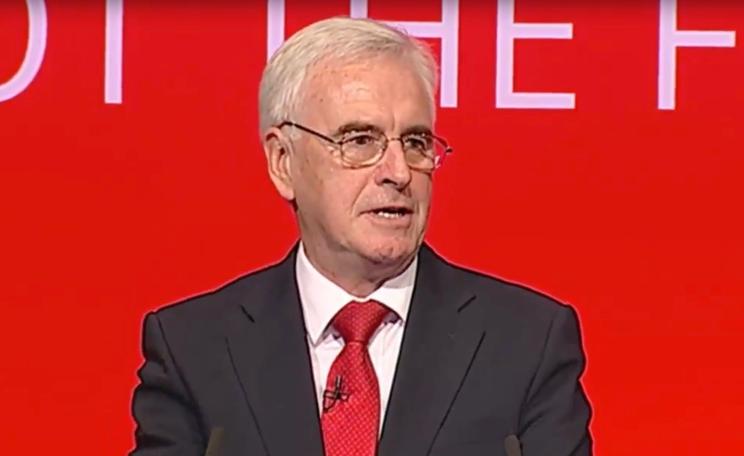
Britain will become 'world leaders in decarbonising our economy' claims John McDonnell at his speech to the Labour Party conference in Brighton today. And with Labour still ahead of the polls, his radical agenda for renewable energy could become government policy, reports BRENDAN MONTAGUE
Narendra Modi, Prime Minister of India, has been inconsistent at best about climate change. Now the country has massive nuclear expansion plans, which he claims is a solution. The apparent desire to appease energy companies and the violent oppression of nuclear opponents are a cause for serious concern. KUMAR SUNDARAM investigates
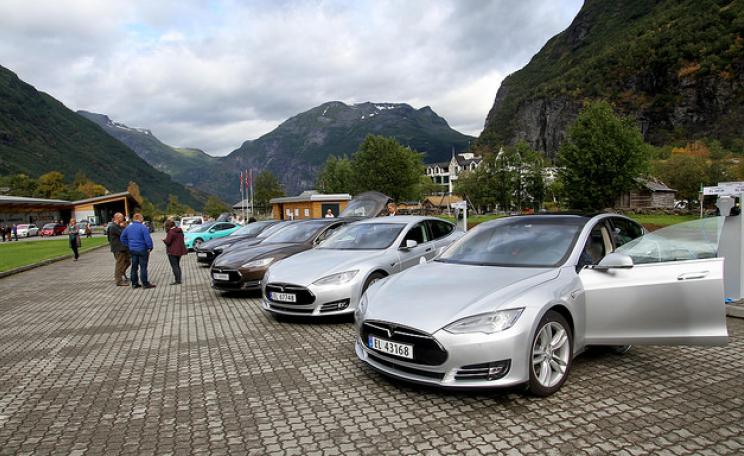
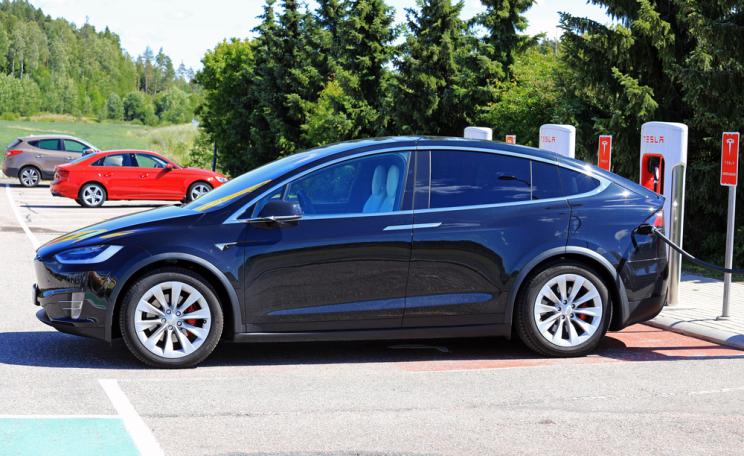
The advancement in technology and recent UK government policy announcements both point towards the successful take over of the electric car, even where other energy innovations have failed. Dr Christian Jardine assesses the latest developments
ExxonMobil has been funding high quality science while also funding and supporting climate denial. So should scientists continue to accept money from oil companies and other vested interests? KATHARINE HAYHOE, a climate science professor, discusses her own early ExxonMobil funding and the ethical issues it raises
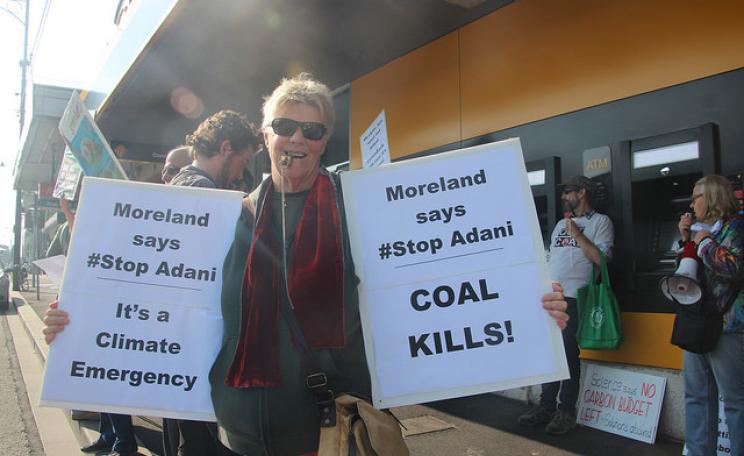
The Adani-Carmichael Coal Mine is an enduring stain on Australia’s underdeveloped environmental policies, with new fraud cases and environmental assessment reports weighing the venture down. Australian environmentalist MARIAH SAMPSON takes a look at the current state of affairs surrounding the plans for the biggest open coal mine in the world.
Environmental campaigning groups including Greenpeace and WWF publish a joint report today calling on the UK Government to bring forward the proposed ban on petrol and electric cars to 2030.
JOE WARE reports
We’re 55 million years too late for hydraulic fracturing to work in the UK, claims Professor John Underhill, the chief scientist at Heriot-Watt University. BRENDAN MONTAGUE reports
A collapse in the price of uranium has not yet stopped Australian mining company GME from trying to press ahead with a massive open-pit uranium mine on an Arctic mountain in southern Greenland, writes Bill Williams - just returned from the small coastal town of Narsaq where local people and Inuit campaigners are driving the growing resistance to the ruinous project.
The Shock of the Anthropocene has been translated from French into English and published by Verso. NATALIE BENNETT, the former Green Party leader, explains how it is an important, informative and interesting book which all ecologists should read.
There will be enough fossil fuel-burning stuff - cars, homes, factories, power plants - built by next year to blow through our carbon budget for a 2 degrees Celsius temperature rise. Never mind staying below a safer, saner 1.5 degrees of global warming, warns STEPHEN LEAHY
Forum for the Future, an international sustainability non-profit, has published a report in which former energy bosses, ministers and civil servants advise the Big Six energy companies to back renewables, reports BRENDAN MONTAGUE