With the world's leading nuclear corporations facing bankruptcy due to ever escalating costs, 'unconstructable' reactor designs and financing risks, there's an easy way to finance the UK's new nuclear power stations, writes David Toke: pin the cost onto taxpayers. As for schools, hospitals, pensions, housing, social care and other public services, who needs 'em?
The UK's inability to import radio-isotopes for cancer therapy is just the latest outcome of the UK's decision to leave EURATOM to hit the headlines, writes Pete Roche. It may also put a brake on the UK's plans to build new nuclear plants, and import and export nuclear fuel and wastes. The UK's exit from the treaty, as a strongly pro-nuclear state, could also mark an EU-wide anti-nuclear swing.
A unique and pristine coral reef in the mouth of the Amazon is threatened by oil drilling planned by oil giants Total and BP, say the scientists who recently explored it. But the oil companies are determined to press ahead despite the risks, writes Lawrence Carter, and Brazil's environment ministry is set to give its approval.
Believers in the possibility of a better civilization, one rooted in increasing co-operation and harmony, find ourselves in a world where demagogues are empowered to bring about the polar opposite, writes Jeremy Leggett. A new despotism rooted in isolationist nationalism and conflict is gaining strength. The battle is not lost: but first we must understand the dangers.
The Alternative Indaba initiated by faith-based groups eight years ago is a forum to discuss alternatives to the mining rush that brought more doom than gloom over the African continent and beyond. JASPER FINKELDEY reports back from this month's forum which called for the mining industry to be made more accountable
The coal power station at Aberthaw is not just polluting much of South Wales with its filthy emissions. It could also be seriously damaging the health of children in Colombia with coal dust from BHP Billiton's massive Cerrejón coal mine. In this open letter, Luz Ángela Uriana Epiayu implores RWE npower to shut down its stinking, obsolete and illegal power station.
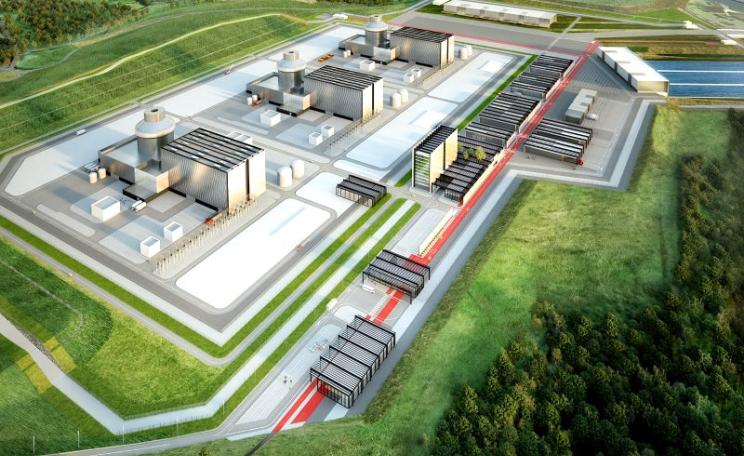
The main company due to build UK's 'flagship' nuclear power project at Moorside in Cumbria is on the ropes, writes Doug Parr, thanks to its multi-billion dollar nuclear losses on in the US. The obvious solution, (almost) all our politicians insist, is to ignore cheaper, faster, cleaner renewables, and make the taxpayer pick up the cost of yet another nuclear white elephant.
Weeks after a major legal victory in London's High Court over oil-polluted communities in Nigeria, writes Joe Sandler Clarke, Shell has suffered a dramatic reversal of fortunes as Italian prosecutors charge the company, and Italy's Eni, on corruption charges over a $1.3 billion oil deal.
A new carbon 'tax and dividend' climate strategy would strengthen our economy, reduce regulation, help working class Americans, shrink government, promote national security, and reduce emissions, write eight senior US conservative politicians, financiers and academics. Now Republican control of all branches of the US government makes it an opportunity not to miss!
Global nuclear power capacity grew slightly in 2016, writes Jim Green, but it was more a dead cat bounce than the promised 'nuclear renaissance'. The collapse of Toshiba, the direct result of its failing nuclear ventures, is indicative of the crisis faced by nuclear contractors and utilities worldwide. Another sign of the industry's poor outlook: no major commodity had a worse 2016 than uranium.
Renewable energy, without doubt, is both driving and shaping the clean global economy of the future, writes Jeremy Leggett. But don't forget its equally essential partner: closing the consumption loop to create a truly circular economy in which there is no longer any such thing as 'waste', only resources we are not yet smart enough to use.
Just imagine: gas for your cooking and heating made by composting home-grown British grass, writes Almuth Ernsting. What's not to like? Well, it would need almost all the UK's grassland to match our gas demand, leaving cows and sheep to starve or forcing them into sheds to eat foreign-grown feeds. And methane leakage could easily wipe out any climate benefit.
Ultimately the UK Government's new industrial strategy has the potential to use government investment to shift the country in the right direction for the environment. But we need more than just ‘public money,' we need the public's money too writes JOE WARE
The UK's abject failure to implement national and EU laws on energy efficiency in buildings is a disgrace, writes Andrew Warren, and one that is costing us dear in higher fuel bills now and for long into the future, while adding to air pollution and climate change.
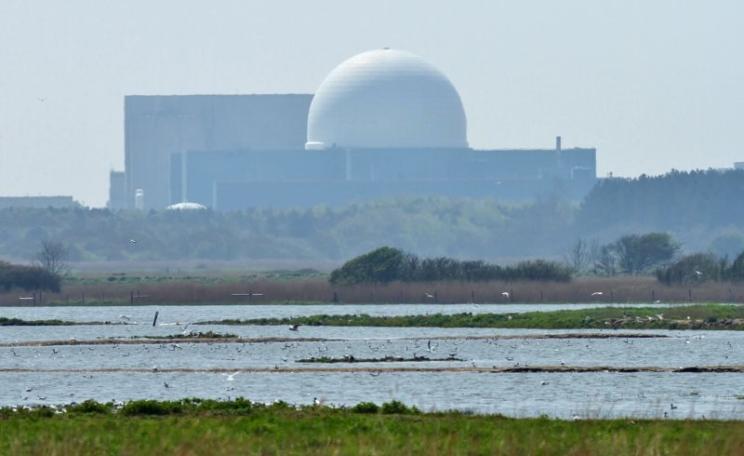
In its second consultation for the EDF's planned Sizewell C nuclear power station there's a strange omission, writes Peter Lux: that the plant would use 1,600 m3 of mains water a day, adding to stresses on important local wetlands like RSPB's Minsmere reserve. The omission is not just strange - it's also illegal and could make the entire exercise invalid.