Contrary to arguments advanced in a recent Ecologist article, the biomass industry supplying the Drax power station in North Yorkshire is a model of sustainability, writes Nina Skorupska, and delivers genuine, substantial emissions reductions compared to coal.
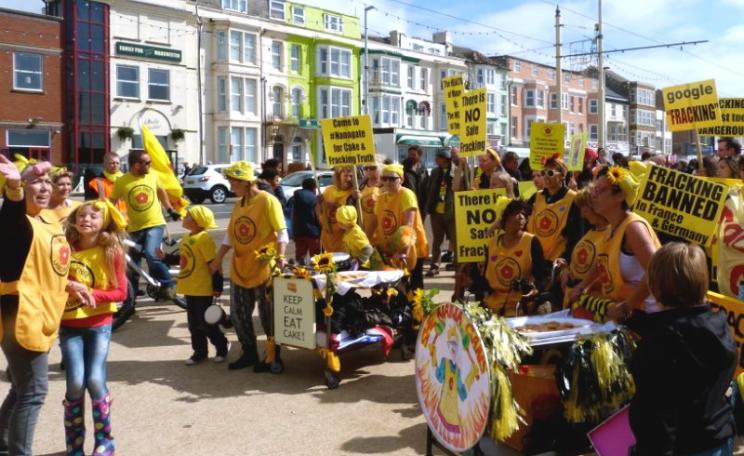
The UK government's insistence of pursuing fracking is based on a flawed and utterly misinformed vision of our future, write Alex Russell and Peter Strachan. Rather than delivering the prosperity they promise, large scale fracking would cause massive pollution of air and water, undermine vital export industries, and leave us with an irretrievably damaged economy and natural environment.
The Drax power station in North Yorkshire is among Britain's greatest greenhouse gas emitters, writes Almuth Ernsting. Not only is it burning some 6 million tonnes of coal every year, it is also burning its way through forests in the USA and other countries as it converts to biomass-fired units, rewarded by £1.3 million a day in subsidies. Join the #AxeDrax protest this weekend!
There are 48 mapped struggles against the fossil fuel industry in India And whilst families run from justice for trying to protect their lands, it's the coal mining companies and police chiefs that should be brought to justice writes NICK MEYNEN
Last week the EU ratified the Paris Agreement to limit climate change, writes Tony Bosworth. So how did Communities Secretary Sajid Javid mark the occasion? By overturning Lancashire's democratic rejection of fracking, so giving a whole new fossil fuel industry the green light to let rip. Hypocrisy? The word hardly does justice to our government's mendacity.
Seaweed is known for its culinary uses and has seen a renaissance in past years thanks to its health claims and a distinctive taste - but there are more ecological benefits to seaweed that currently remain untapped.
An international summit exploring real and imagined narratives of art, energy and consumption for a troubled planet, taking place at Schumacher College, Dartington, on 11th November 2016
Full credit to Peru for creating the Sierra del Divisor national park in one of the most precious areas of the Amazon, write Lewis Evans & Sarina Kidd. But not for leaving it open to oil drilling, risking the future of uncontacted indigenous tribes that depend on their pristine rainforest environment to survive.
Sajid Javid's decision to allow shale gas wells to go ahead in Lancashire marks a new phase in the industry's development, writes Michael Bradshaw. But it will also trigger a new phase of organisation, protest and resistance among impacted communities. Cuadrilla, IGas and other companies may just find the 'social licence' they thought they didn't need is essential, after all.
'Fast breeder' reactors are promoted by nuclear enthusiasts as the clean, green energy technology of the future, writes Jim Green. But all the evidence tells us they are a catastrophic failure: complex, expensive, unreliable and accident-prone. Is Japan's decision to abandon its Monju reactor the latest nail in the coffin of a dead technology? Or the final stake through its rotten heart?
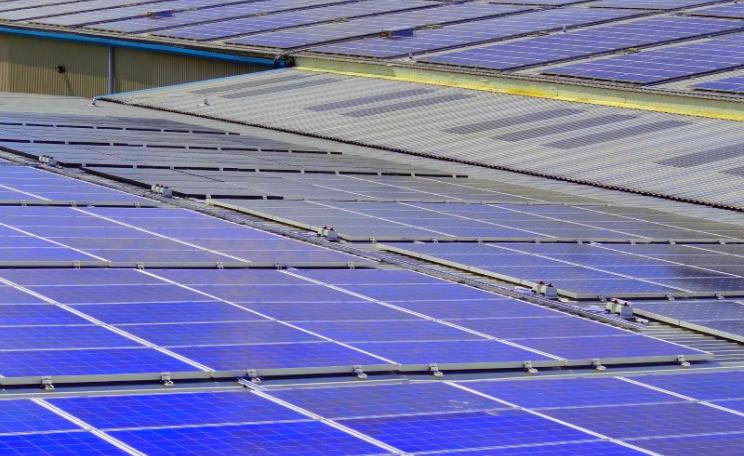
A new study shows that the cost of 'integrating' the variable power output of large scale solar PV is surprisingly affordable, writes Oliver Tickell, at just a few pence per unit. Costs will fall further as more wind power, batteries and ever-cheaper solar drive the transition to a 100% renewable power system.
Off-grid renewable energy is key to achieving the global goal of 100% electricity access by 2030, writes Adnan Z. Amin, and to achieving the emissions reductions enshrined in the Paris Agreement. Thankfully, a confluence of factors - including rapid cost declines and impressive technology innovations - are making this goal more achievable than ever, and investment in the sector is taking off.
London Mayor Sadiq Khan promised electors that he would be the 'Greenest Mayor ever'. In spite of his apparent support for a new Thames road crossing in East London and an expanded London City Airport, he still has huge opportunities to make good his pledge. And Green Assembly Members will be working hard to make sure he does.
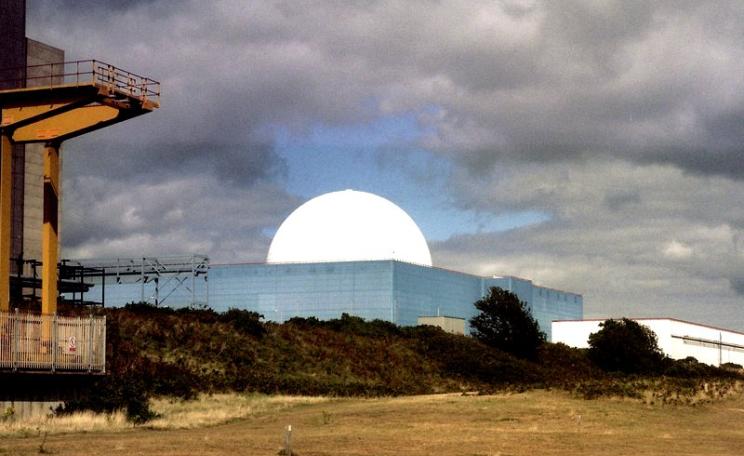
A new report finds that 28 nuclear reactors, 18 of them EDF plants in France and one at Sizewell in the UK, are at risk of failure 'including core meltdown' due to flaws in safety-critical components in reactor vessels and steam generators, writes Oliver Tickell. The news comes as EDF credit is downgraded due to a growing cash flow crisis and its decision to press on with Hinkley C.
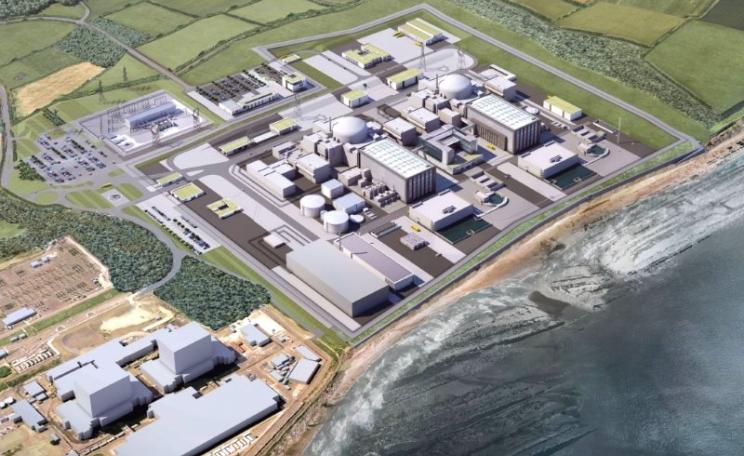
With its choice of Hinkley Point C - a £100 billion nuclear boondoggle - its enthusiastic support for expensive and environmentally harmful fracking, and its relentless attack on renewable energy, the UK government's energy policy is both morally and economically bankrupt, write Peter Strachan & Alex Russell. It must urgently reconsider this folly and embrace the renewable energy transition.