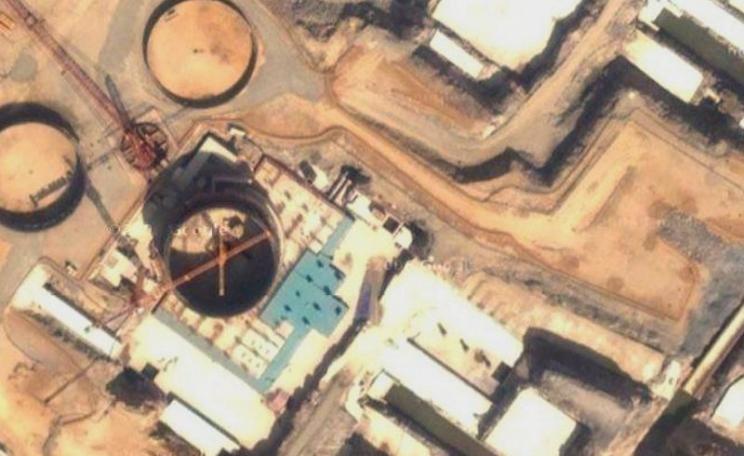
When Theresa May proclaims in Parliament that we need the £200 billion Trident nuclear missile system to see off the North Korean nuclear threat, writes David Lowry, just bear this in mind. It is a threat that the UK, global nuclear proliferator in chief, created in the first place, providing both the reactor technology and vital centrifuge materials to make North Korea's nuclear dream come true.
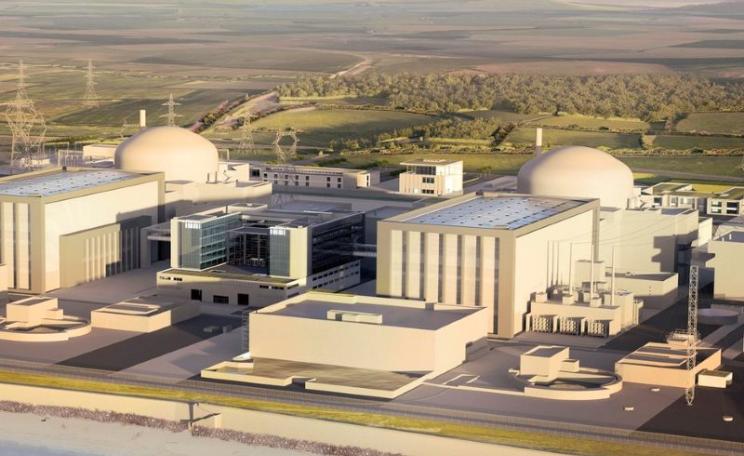
EDF's 'final investment decision' on the Hinkley C nuclear power station next week will be pure theatre, writes David Toke. The truth is that no concrete is to be poured until 2019 at the earliest. Meanwhile post-Brexit UK is running out of money to pay for it, and EDF is under investigation by the Financial Markets Authority for concealing information on Hinkley from investors.
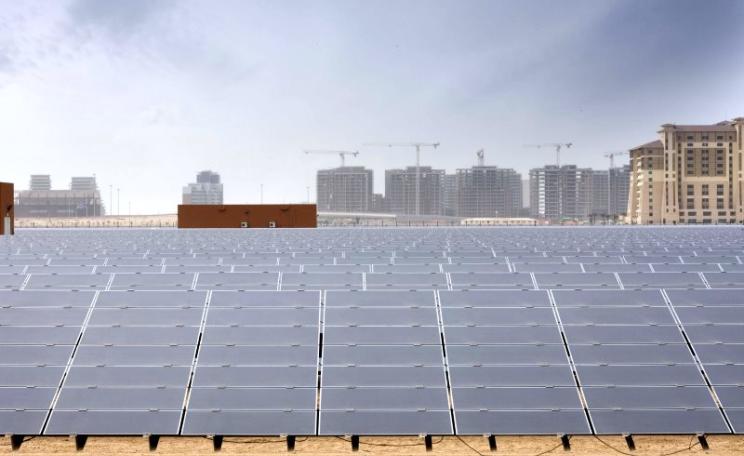
Solar is already the cheapest available power across large swathes of the tropics, writes Chris Goodall - its cost down 99.7% since the early 70s. Soon it will be the cheapest electricity everywhere, providing clean, secure, affordable energy for all.
Traveling in the US by boat and train visiting solar laboratories and environmental groups, Keith Barnham found many successful community initiatives in renewable electricity, and brings news of progress towards the ultimate renewable challenge: a solar fuel that could eventually replace gasoline in cars, trucks, buses, trains and aircraft.
The UK imports millions of tons of American wood pellets every year to be burned in power stations for 'climate friendly' electricity, writes Matt Williams. But his recent visit to the southern US showed him that this practice is devastating beautiful, natural forests rich in wildlife - while the UK government's own research shows that it's worse for the climate than the coal it replaces.
The cost of offshore wind power in the North Sea is 30% lower than that of new nuclear, writes Kieran Cooke - helped along by low oil and steel prices, reduced maintenance and mass production. By 2030 the sector is expected to supply 7% of Europe's electricity.
The industries that have primarily caused, are still causing, and will continue to cause climate change, are the recipients of huge subsidies. Whilst the marginalised are promised a paltry and relatively insignificant amount to mitigate and adapt to the consequences of the problem they did little or nothing to bring about. That's just plain wrong says MARK KERNAN
Last week a massive 350 hectare open cast coal mine at Druridge Bay took an important step towards winning panning permission. This got Chris Goodall wondering: what if the land was turned into a solar farm instead? His surprise discovery: solar power on England's south coast already costs no more than coal - and it's only getting cheaper.
Renewable electricity is already undermining the big energy utilities' business model, writes Emma Howard, breaking their monopoly and bringing down energy bills. But with the unfolding battery revolution, it's going to reach a whole new level as wind and solar powered families and communities become ever more self-sufficient, leaving utilities high and dry.
Campaigners fear that the abolition of DECC, the department of energy and climate change, indicates that climate will take a low priority in Theresa May's policy agenda. Meanwhile the pro-fracking, pro-nuclear Andrea Leadsom is in charge of environment department Defra.
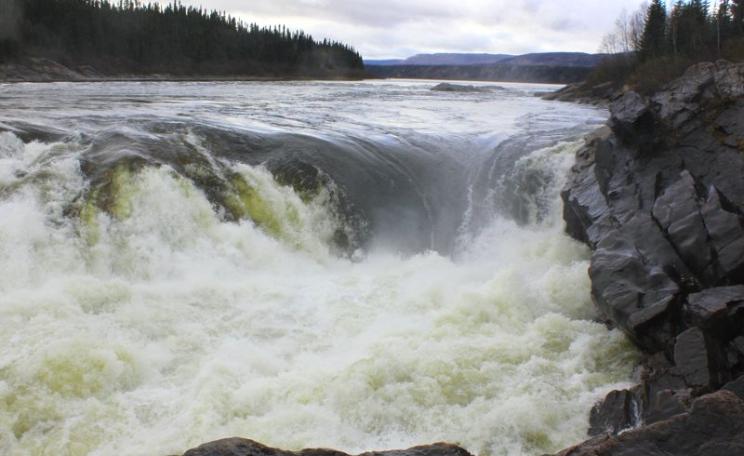
A new dam on indigenous lands at Muskrat Falls will join a network of other hydroelectric projects spanning Innu territories across the Labrador-Quebec peninsula, writes Colin Samson. The continual violation of Innu rights imperils their ability to enjoy healthy and sustainable lifestyles - and follows in a long tradition of indigenous land theft in North America.
A long-awaited report by the UK Climate Change Committee has found that fracking could produce a 'substantial' emissions footprint if left unregulated, writes Victoria Seabrook, and force the government into more rapid emissions cuts in other areas of the economy to compensate.
Louise Ward, investor relations director at renewable energy investor Low Carbon, examines how Britain's renewable energy industry is starting to make other European countries green with envy.
Following the vote to leave the EU, the UK's energy and climate change policy faces major challenges, writes Paul Brown, with new nuclear power and a third London runway at Heathrow runway looking like the first casualties.
The economic impacts of the Brexit vote will very soon make themselves felt to British consumers, writes Chris Goodall - kicking off with higher fuel bills and pump prices. The good news is that nuclear power is now looking increasingly unaffordable. But renewables and green energy research are also likely to suffer, especially if under a right-wing Brexit government.