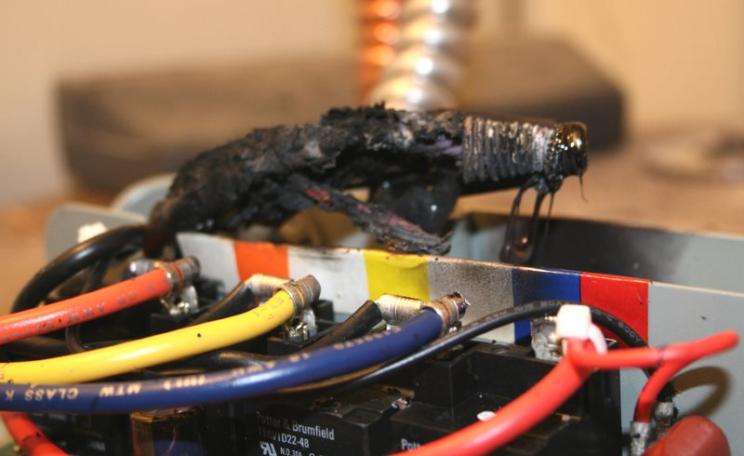
Tesla's Powerwall battery may be the poster-boy of the forthcoming dynamic power grid, writes Margaret McAll. But a far more accessible, low cost solution beckons: grid-interactive water heaters can soak up excess power from peaking renewables, reduce expensive peak demand, and cut power companies' need to invest in generation and distribution.
The rights of nature and of indigenous communities are enshrined in Ecuador's constitution, writes Kevin Koenig. But down in the Amazon the government is going full speed ahead with oil extraction on indigenous territories whose owners are committed to keeping their forests and waters pollution-free. A mighty battle is brewing that looks certain to come to a head this year.
Italian prosecutors have raided Shell's offices to investigate the suspicious acquisition of a huge offshore oil field in Nigeria, writes Vanessa Amaral-Rogers. The oil block, sold by the Government for $20 million to a shell company owned by the oil minister, was later acquired for $1.1 billion by Shell and Eni.
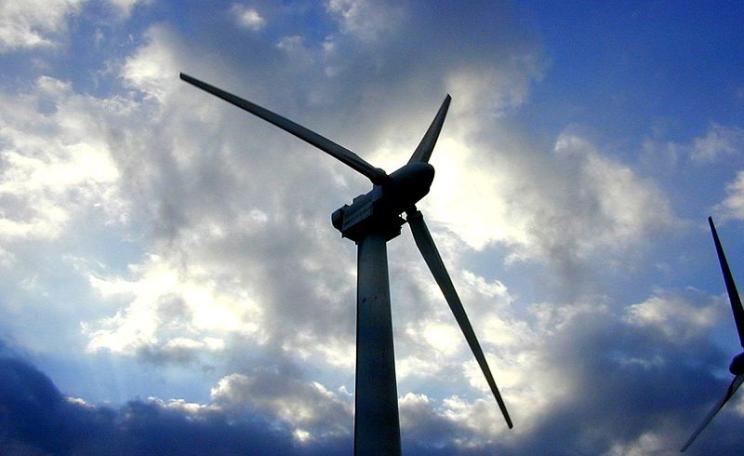
EDF in the UK may be propelled by its disastrous nuclear ambitions, writes Chris Goodall. But across the Atlantic it's another story: the company is the US's biggest wind developer, and selling its power, profitably, for under 40% of the price it has been promised for Hinkley C, including federal tax credits.
ExxonMobil has long known that climate change is real and dangerous, write Louise Rouse & Naomi Ages, while denying it in public and supporting climate change deniers. Now they accuse their critics of 'chilling' climate science and the search for solutions. The truth is the precise opposite.
An unprecedented coalition of 20 Attorneys General from US states and the Virgin Islands have combined to hold fossil fuel companies accountable for the deception they have inflicted on customers and the wider public over climate change, writes Lauren McCauley, in a move hailed as a 'turning point' in the battle to save the climate.
In 1975 Indonesia invaded the small Pacific country of East Timor, writes John Pilger, and then massacred a third of its population to suppress demands for independence. Now unearthed documents show the genocide was supported by Australia so it could grab the oil and gas reserves of the Timor Sea. Despite East Timor's independence, won in 1999, Australia is still stealing its oil and gas revenues worth $5 billion and counting.
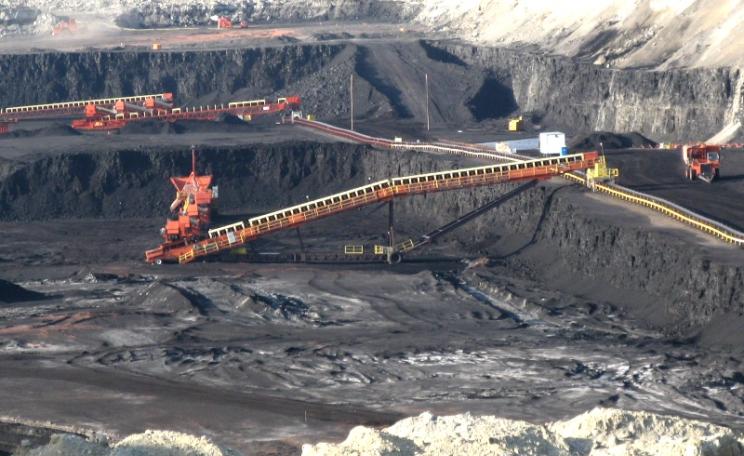
Campaigners are celebrating after defeating plans to build America’s largest open pit coal mine, writes Nick Engelfriend. In an epic 'David and Goliath' battle, Montana activists challenged the project, and all the politicians and businessmen that supported it, with fierce opposition, protests and demonstrations. The outcome spells hope for all in the fight against dirty energy.
JP Morgan's announcement that it's pulling out of coal is purest doublespeak, writes Assaad Razzouk. But it's not the only financier to engage in climate hypocrisy, as banks prepare to lend $5 trillion to build 2,440 new coal power stations. To deliver the Paris Agreement they - and the loans that would finance them - must be cancelled.
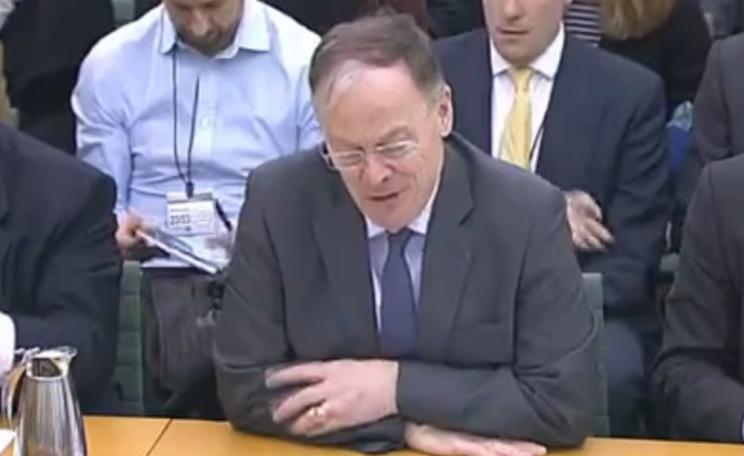
MPs today grilled EDF Energy supremo Vincent de Rivaz over the troubled Hinkley C nuclear plant in Somerset. He insisted that the project was definitely going ahead - but refused to say when the 'final investment decision' was due. Confused? Bewildered? Frustrated? So were the MPs.
Backed up the Information Commissioner, DECC refuses to release the documents it sent to the European Commission to support its massive subsidy package for the Hinkley C nuclear plant, writes Terry McAlister. But now the case will go before a tribunal which could order their release.
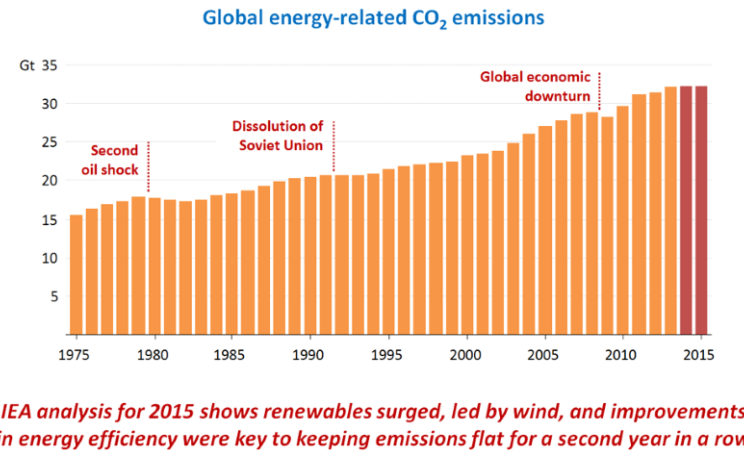
For the second year running CO2 emissions flatlined even as the global economy was growing at around 3%, writes Alex Kirby. But sharply rising temperatures show the need for further massive renewable energy deployment to actually bring emissions down.
It will take decades to completely leave fossil fuels, writes Richard Heinberg. But we can do it, starting with the easy stuff: going big time for wind and solar, raising energy efficiency, replacing oil-fuelled vehicles, and moving to organic farming. But deeper changes will follow as we transition to a more enduring sustainability - consuming better, and much less.
Is the UK sinking into authoritarian rule? That's how it looks, writes Jonathon Porritt, as the government joins with right wing media and fossil fuel companies to attack local democracy and environmental campaigners. Is this 'merger of state and corporate power' a sign of more, and worse, to come?
Barring a miracle Marco Rubio is set to be Trumped in the Republican primary tomorrow in Florida, his home state, putting an effective end to his campaign. But it's not for want of support from one of the US's biggest frackers, Devon energy, and its politically active CEO Larry Nichols. And with or without Rubio, Nichols's influence on the red states' energy policy is only going to get bigger.