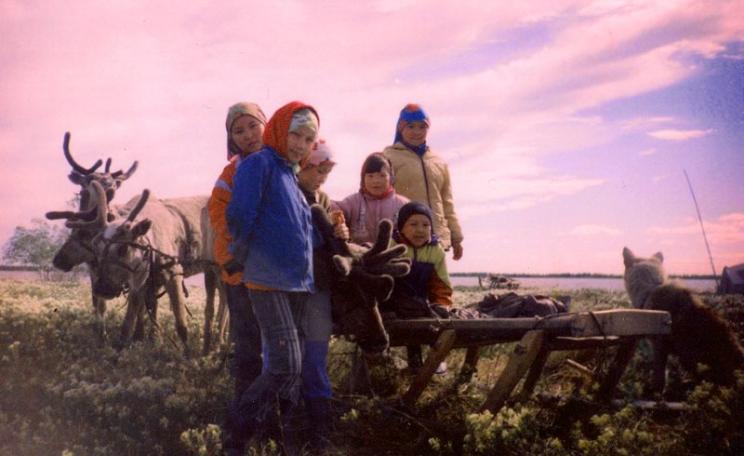
A vital nature preserve in western Siberia, and the indigenous peoples that inhabit it, are at risk from oil development, write Elena Sakirko & Konstantin Fomin. Oil giant Surgutneftegas is already active in the Numto Park, but now they want to extend operations into its fragile wetlands, putting at risk snow cranes, the Heavenly Lake, and the survival of the Nenet and Khanty peoples.
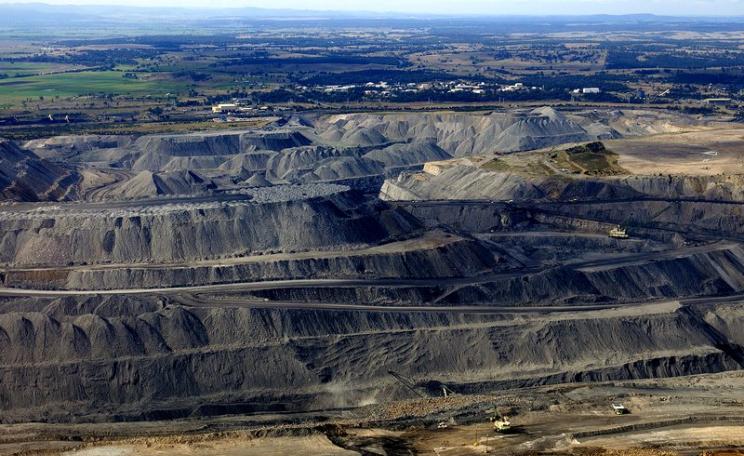
A tangle of undercapitalised companies are coming forward to cash in on old deep coal mines in Wales, writes Guy Shrubsole - by digging them all out from above from huge open cast pits. But local communities, alarmed at the noise, pollution and destruction of landscape, increasingly see coal as an industry that's best consigned to the scrapheap.
Nuclear giant EDF can't afford to write off the £2 billion sunk into the Hinkley C nuclear plant, write Paul Brown & Oliver Tickell. So its cunning plan is to turn it into a 'nuclear zombie' - officially a live project, but actually stone cold dead - until EDF can find a way out of the hole it has dug itself into.
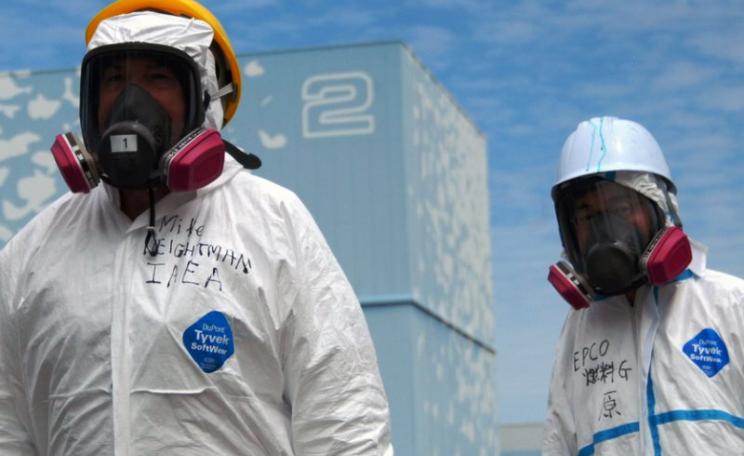
The Japanese were kept in the dark from the start of the Fukushima disaster about high radiation levels and their dangers to health, writes Linda Pentz Gunter. In order to proclaim the Fukushima area 'safe', the Government increased exposure limits to twenty times the international norm. Soon, many Fukushima refugees will be forced to return home to endure damaging levels of radiation.
The attempt by the US Supreme Court to stall the White House Clean Power Plan is being thwarted on the ground, writes Linda Pentz Gunter. The numbers show that new renewable energy installation around the US is outpacing even natural gas - leaving coal in the dust, and new nuclear at a big round zero.
If the UK really wants 3.2GW of 'baseload' power in Somerset, then the Hinkley C nuclear power station is not the only way, write Marie-Louise Heddrich, Thorsten Lenck and Carlos Perez Linkenheil. Wind power with 'wind to gas' plant and CCGT gas power stations could do the same - faster, cheaper, more flexibily, and at much lower technical and financial risk.
The government makes bold claims about tackling climate change and phasing out coal power stations, writes Guy Shrubsole. Yet it's 'relaxed' about two huge new coal mines that would produce ten million tonnes of coal, blighting landscapes and afflicting the health of vulnerable communities. It's time to say no to all onshore fossil fuel production.
The ever-falling cost of renewable energy could leave investors in coal, gas and oil seriously out of pocket as demand for fossil fuels falls away, writes Paul Brown. In the wake of the Paris Agreement and shrinking markets in major importing countries, the smart money is moving into renewables.
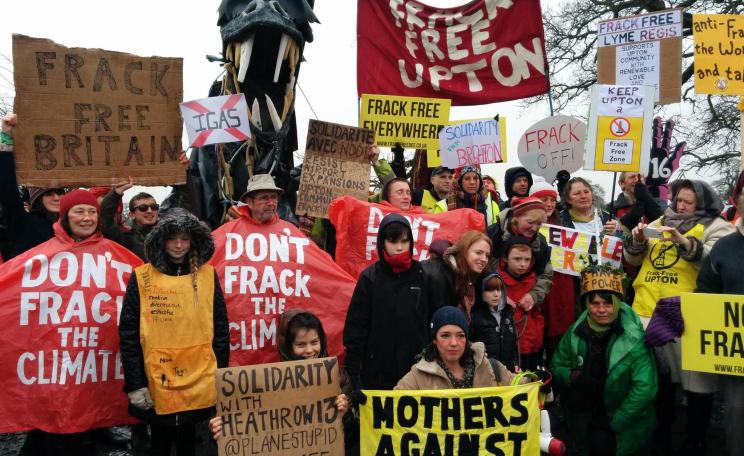
Whether you're fighting fracking, coal mines, new roads or a third Heathrow runway, next weekend's Earth First! Winter Moot is for you, writes Louise Somerville Williams. Campaigners and activists from across the UK and beyond will gather in Stroud to build common strength in our struggle against ecological destruction, and to work for a world of social and environmental justice.
Despite Cameron's promise to lead the 'greenest Government ever', the environment has taken a heavy bashing since the 2015 election, writes David Clubb - whether on oil, fracking, renewable energy or planning policy. But Wales is doing its best to follow a sustainable path, and demonstrating badly needed environmental leadership that the whole UK would do well to follow.
Not only can the US save money on its electricity by moving to a 48-state power network based on high voltage DC power lines, writes Christopher Clack. It's also the key to increasing the penetration of renewables as the lowest cost energy source, with wind and solar delivering 55% of the nation's electricity demand - and a 78% reduction in carbon emissions.
The government is set to ban local authorities and their £14 billion pension funds divesting from companies they deem unethical, writes J W Bode. The law will specifically forbid divestment from fossil fuels - and that could put the pensions of future public sector retirees at risk.
An occupation of EDF's site office for Hinkley C turned into a celebration today as the EDF Board postponed its 'final investment decision' for the tenth time. With strong opposition among French unions and the project afflicted by severe technical and financial problems, it's not just Hinkley that's going down, but the UK's entire nuclear programme.
The world is in the grip of a structural war against people, land, economies and ecosystems, writes Colin Todhunter. It is being waged by a quartet of organised criminal interests bent on monopolizing energy, money, food and violence across the globe. But a deep-rooted resistance against their 'neoliberal' doctrine of death and destruction is fighting back.
According to oil company executives, oil is going to be a major energy source to 2100 and beyond. So after hearing an oil man make his case, Chris Goodall went home and crunched some numbers. Money invested in solar power already produces more energy than if it's put into oil exploration and production, and the gap is only going to widen from here. Is this the new 'peak oil'?