The Lofoten peninsula Norway’s Arctic North is not just stunningly beautiful. It's also home to the world’s largest deep water coral reef and full of wildlife. So why is the government saying it will have to be opened up to the oil and gas industry? Never mind the country's warm words on environment and climate change, writes Joseph Dutton. It's fossil fuels that rule the roost.
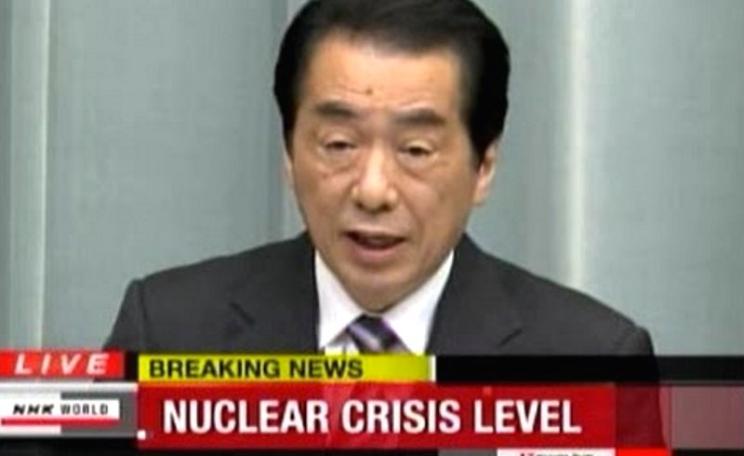
Nuclear power is a uniquely hazardous technology that can destroy entire nations, Japan's prime minister at the time of the Fukushima nuclear disaster has warned British MPs. The lessons of from such catastrophes must be heeded in other countries that believe that nuclear fission can be harnessed safely, writes Linda Pentz Gunter - or they, and the world, will reap the whirlwind.
Advanced new catalysts are poised to stimulate a clean energy revolution, writes Tim Radford. An organic replacement for the precious metal platinum would allow surplus electricity to be cheaply converted into hydrogen fuel, then burnt in low cost fuel cells to propel 'green' vehicles and generate power on demand.
As Cuadrilla's application to frack in Lancashire goes to public inquiry today, protestors from Greenpeace have installed a full-size 'fracking rig' in Parliament Square, London, complete with flare and deafening sound effects, to let MP's know just how great it is to have a fracking well on your doorstep.
America's crumbling nuclear power plants, dozens of them built to the design that spectacularly failed at Fukushima, must be closed down to prevent catastrophe, writes Harvey Wasserman. So let's hear Bernie Sanders and Hillary Clinton speak out on the topic and make it a core issue in the Presidential race!
When Chancellor George Osborne delivers his Budget next month, we can be sure that climate and environment won't take a high priority, writes Alan Simpson. All the more reason for the Labour leadership to develop a new 'one planet' economics for the 21st century that delivers social justice and respects ecological limits.
Scientists say interstate energy 'highways' offer a simple approach to delivering low-cost electricity to where it’s needed throughout the US, writes Tim Radford. The best part? It's using clean, renewable energy sources, and it can be achieved in the near future using only existing, mature technologies.
Despite the endless rhetoric about a 'nuclear renaissance', there are fewer power reactors today than there were a decade ago, writes Jim Green. The one country with a really big nuclear build program is China, but no one expects it to meet its targets. And with over 200 reactor shut-downs due by 2040, the industry will have to run very hard indeed just to stay put.
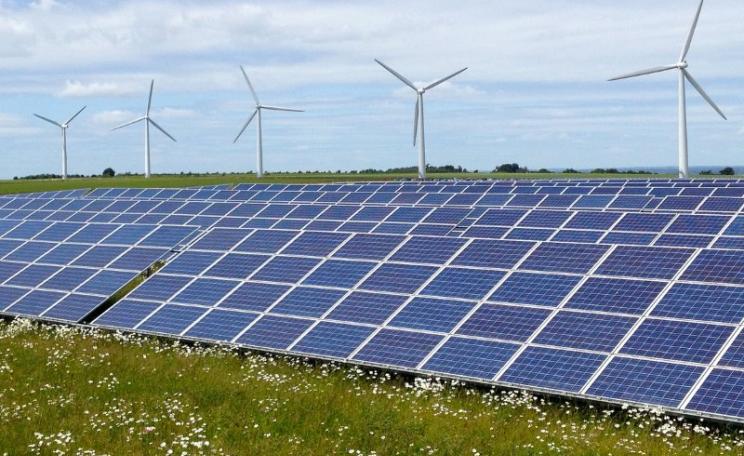
As presidential contenders gather in Iowa for the beginning of the party selection season, they may have noticed a lot of wind turbines, writes Zachary Davies Boren. And if they have any sense, they will find only nice things to say about them. Wind supplies 30% of the state's power, more than any other US state, and Iowans are all for it. Ted Cruz, mind your words!
The origin of life has long been the deepest of mysteries, writes Chris Busby. But in fact, the spontaneous arising of life from molecules in Darwin's 'warm little pond' is the inevitable result of their selective energisation by quantized infra-red radiation. Now, some four billion years after life first developed, precisely the same processes continue to drive the operation of all living systems at a cellular level.
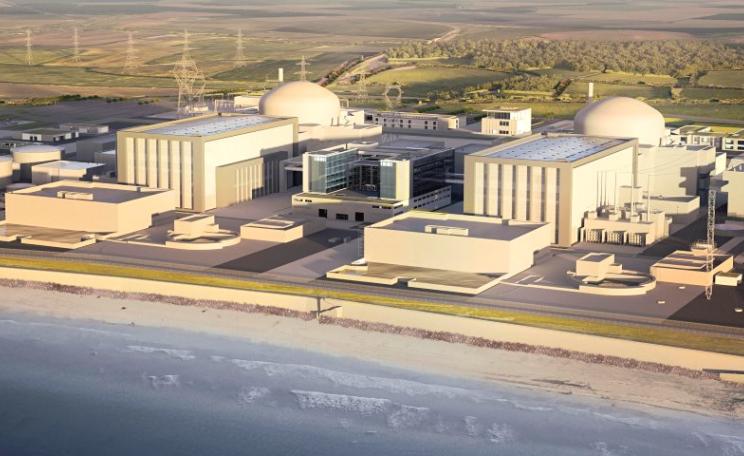
EDF's unfolding fiasco over the Hinkley C nuclear power station proves that nuclear power can come only at enormous financial cost to consumers and taxpayers, writes Caroline Lucas - and even then, investors are scared off by the risks. The government must get over its nuclear obsession and seize our renewable future.
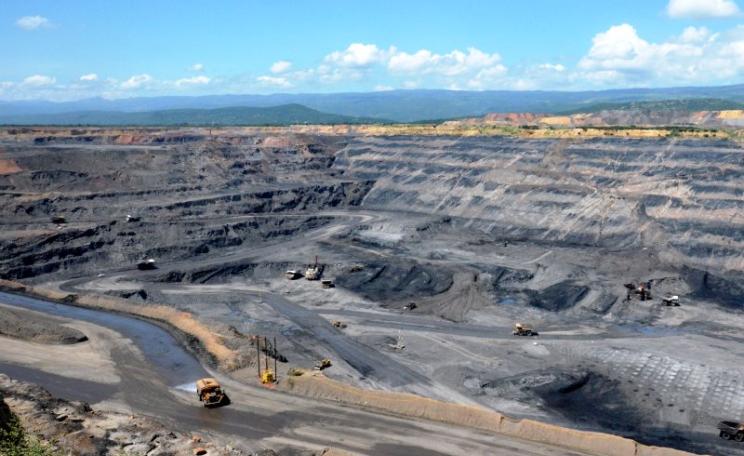
The UK's coal burn is not just having a huge impact on climate, writes Anne Harris. It's also devastating communities in the UK, Russia, Colombia and other nations that supply our coal power stations. Those impacted are doing their best to resist the mining companies that are destroying their land, stealing their homes and polluting their air and water. But they need our help!
Just as EDF was due to make its 'final investment decision' on Hinkley C, writes Oliver Tickell, another delay. In spite of incredibly generous subsidies, the company is unable to finance it. Its last hope is to persuade the French state to take a 10% stake in the doomed project.
The EDF board is meeting tomorrow to reach its 'final investment decision' on Hinkley C. It was meant to be a rubber stamp but now it's anything but, as EDF's share price sinks to a new low, unions and employee directors harden their opposition to the project, and projects in France, Finland and China run way over time and cost with severe technical problems and safety concerns.
China's 2015 carbon emissions fell for the second year running, by an amount equal to all of Poland's, while total power consumption increased, writes Lauri Myllyvirta. Credit goes to the massive expansion in renewable energy, with a record-breaking 47GW of wind and solar capacity added.