Climate change is perhaps our generation's greatest challenge, and few people are better placed to know it than academics in our top universities, writes James Dyke. But they are still accepting huge sums of fossil fuel money, in the process helping donors in their quest to extract and burn ever more coal, oil and gas. This must stop.
Oil giant BP is the UK's single biggest EU lobbyist, spending over £2 million reaching out to European policy makers in 2014, new figures show. But citing hard times, the company has dropped its controversial sponsorship of the London's Tate Galleries - and more such branding deals may bite the dust.
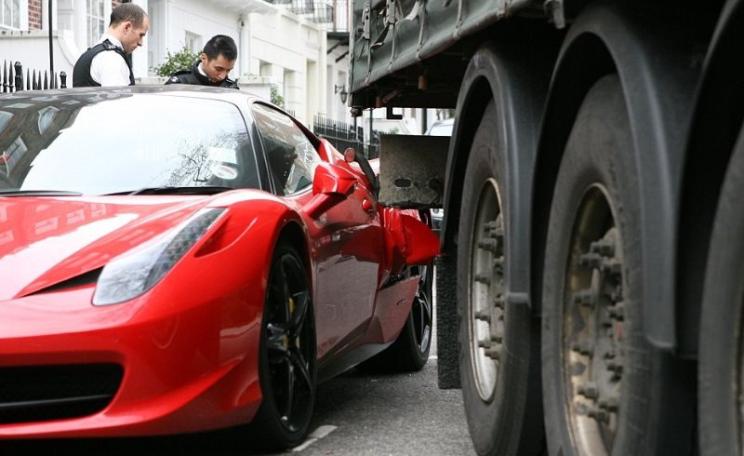
Low Emissions Zones have their place in cleaning up the UK's worst air pollution hotspots, writes Richard Howard. But we also need to adopt fiscal measures to encourage a shift away from diesel vehicles, at once delivering cleaner air, increased tax revenues, and lower carbon emissions.
Five years after the Fukushima nuclear disaster began to unfold, the searing psychological effects are still being felt among the 160,000 refugees who fled the fallout, writes Linda Pentz Gunter. But now there's growing pressure to return to contaminated areas declared 'safe' in efforts to whitewash the disaster's impacts. Why the rush? To clear the way for the 2020 Tokyo Summer Olympics, complete with events in Fukushima City.
Improved technology and falling costs are moving electric car sales into the fast lane as manufacturers seek achieve significant economies of scale, writes Kieran Cooke. And now China is leading the EV charge with its plans for 5 million plug-in vehicles by 2020.
The main claim used to justify nuclear is that it's the only low carbon power source that can supply 'reliable, baseload electricity', writes Mark Diesendorf - unlike wind and solar. But not only can renewables supply baseload power, they can do something far more valuable: supply power flexibly according to demand. Now nuclear power really is redundant.
One of the world's biggest energy companies has been caught out in what may be the biggest ever climate scandal, writes Bill McKibben. Way back in the 1980s ExxonMobil knew of the 'potentially catastrophic' and 'irreversible' effects of increasing fossil fuel consumption, but chose to cover up the findings, spread misinformation on climate change, and go for high carbon energy sources.
The indigenous Wampis people of the Peruvian Amazon have demanded the immediate closure of a Petroperú oil pipeline after a series of devastating spills, writes Vanessa Amaral-Rogers. The company has already been found guilty of 'negligence' after previous oil spills contaminated the Wampis land and rivers.
After ten massive renewable energy cuts that are leaving the UK falling well short of EU renewable energy targets, an eleventh! The axe is now falling on solar heating, writes Oliver Tickell - even though it's meant to be at the core of the government's renewable energy strategy.
State action on solar power can make a big difference, writes Aaron Viles. Driven by ambitious renewable energy targets and the need to generate local growth industries of the future, five states stand out for their trend-setting policies that are accelerating the US's clean energy transition.
A year after Shell was forced into a £55 million settlement with an indigenous community in Nigeria devastated by oil spills, a UK High Court judge has allowed two new such cases to proceed on behalf of some 43,000 subsistence farmers and fishers whose livelihoods have been wiped out by the same cause.
A synthetic biology plant producing the anti-malarial drug artemisinin has just shut down as it's much cheaper to use wormwood grown by African farmers, writes Almuth Ernsting. The technology is even further from making affordable diesel, with a production cost of $20-50 per litre. No wonder investors are losing patience - and confidence - in loss-making synbio companies.
French nuclear parastatal EDF is facing problem after problem - zombie nuclear projects in the UK, Finland, China and France, a fleet of 'beyond the grave' reactors, a dropping share price and its drooping credit rating. But is it really as bad as all that? Jonathon Porritt has exclusive access to the leaked Agenda of its latest board meeting. And the answer is - no. It's even worse.
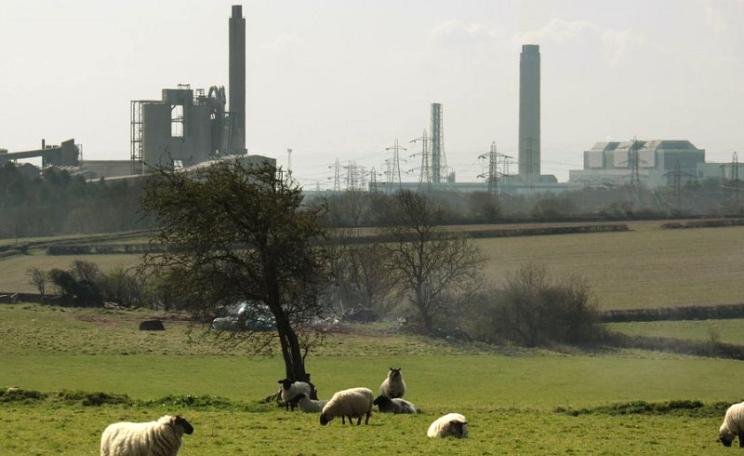
Wales should lead the UK in bringing an end to the entire coal industry from opencast mining to highly polluting power stations, writes Gareth Clubb. A new report by Friends of the Earth Cymru shows the Aberthaw plant alone imposes social and environmental costs of nearly £1 billion per year on the country and global climate.
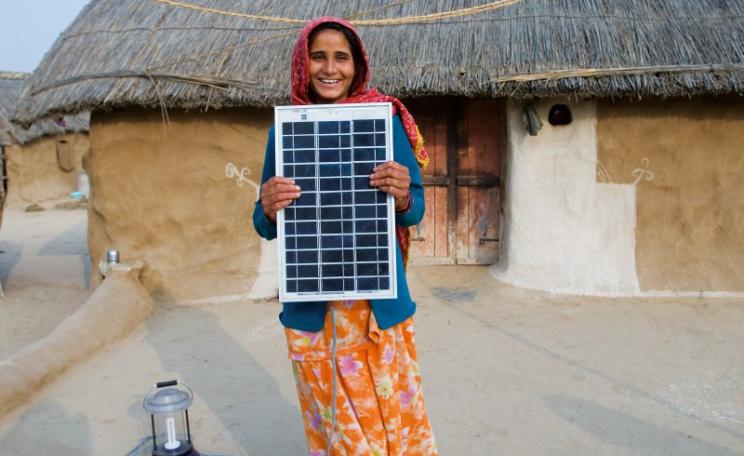
The World Trade Organisation (WTO) has found India's huge solar initiative 'guilty' of breaking trade rules, write Dipti Bhatnagar & Sam Cossar-Gilbert, because it gives domestic manufacturers a small 10% quota for the supply of panels, leaving up to 90% for foreign competitors. It's a warning for perils of the entire WTO system, and of even harsher trade rules like those in TPP, TTIP and CETA.