We know who the likely runners and riders are in the race to be the new Tory leader and prime minister - but where do the prospective candidates stand on fracking and other environmental issues? Joe Sandler Clarke finds them all decidedly un-green.
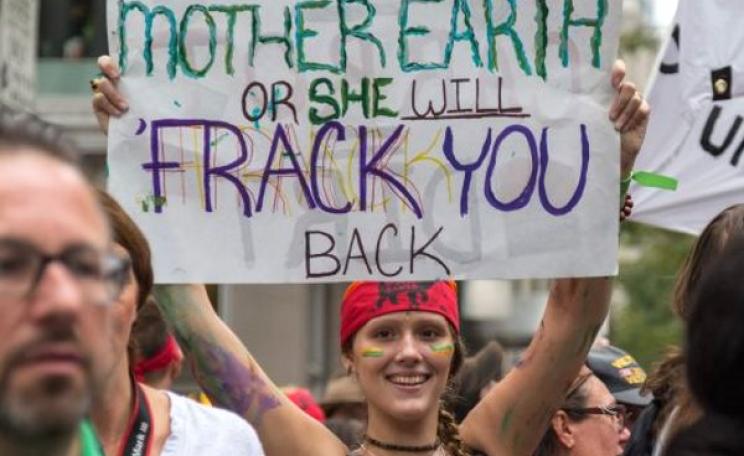
Thanks to fracking company Cuadrilla, grandmother Tina Rothery will be in court tomorrow over a £55,000 'debt' imposed on her for joining a peaceful occupation of a fracking site in Lancashire. But as she explains, she can't pay, she won't pay, and even if she could pay, she wouldn't. Someone has to stand up to corporate vandalism and abuse of justice - and in this case, it's her, no matter what the consequences.
Almost all UK laws that regulate fracking's impact on the environment emanate from EU directives and regulations, writes Zachary Davies Boren. Once out of the EU, the UK would be free to amend them, scrap them or simply ignore them. And given the UK's record of support for fracking and lobbying in Brussels for deregulation, that may be exactly what the Brexiteers have planned.
There are now some 50 Marine Conservation Zones (MCZ) in England and Wales. Amy Hall reports on how campaigners fighting the re-opening of a Cornish quarry in one of the zones are effectively testing what the designation really means and how much protection it guarantees.
The key study that justifies the Government's claim that fracking is a climate change 'solution' is based on serious scientific errors, writes Nick Cowern. Not only has the Government failed to correct them, but it is now delaying the publication of a new official report that would reveal the truth - that fracking is considerably worse for the world's climate than coal.
The free-flowing Salween is the last big undammed river in Southeast Asia, home to a flurry of endangered species including tigers and clouded leopards, writes Tom Fawthrop in Hpa-an, Karen State, Myanmar. And thanks to support from both the indigenous Karen people, and senior officials in China who see the huge ecotourism potential of the river and its dramatic gorge, it could just stay that way.
The UK government is all for fracking, writes Dr Robin Russell-Jones, but on climate grounds alone it should be banned. Evidence from the US shows that shale gas is twice as dirty as coal from a climate viewpoint due to 'fugitive emissions' of methane. That makes fracking incompatible with the UK's climate change commitments and the Paris Agreement - as the CCC may soon rule.
LED light bulbs are cheap and energy efficient, writes Chris Goodall. A crash programme to replace all the lights in the UK with LEDs would cut electricity bills, reduce carbon emissions and other pollution from coal and diesel generation, and reduce the risk of blackouts.
The renewable energy revolution is in full swing, writes Jeremy Leggett, with costs falling to new lows, deployment of wind and solar surging to unprecedented highs, and confidence ebbing away from fossil fuels. But global warming is also accelerating, with global temperature records broken every month for a year. Will the energy transition happen in time to avert catastrophe?
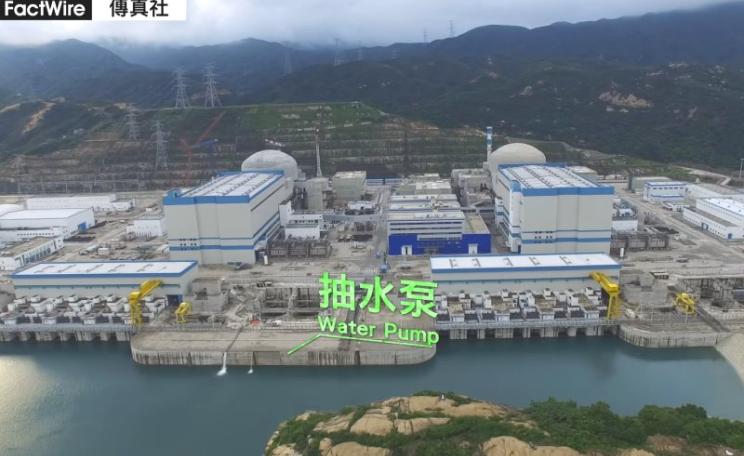
Twin nuclear reactors at Taishan in China have been sealed into their concrete domes despite fears that the reactor vessels have serious metallurgical defects. No safety test data has been released by the two companies in charge, EDF and CGN, to show that the reactors will not crack in operation, releasing radioactivity.
Britain's soils are in a bad way, writes John Quinton, and the government is doing little to help - indeed its policies are making the problems worse. So concludes yesterday's Environment Audit Committee report on soil health. But are ministers bothered?
The Renewables 2016 Global Status Report just published by REN21 - The Renewables Energy Policy Network for the 21st Century - shows that renewables are now firmly established as competitive, mainstream sources of energy in many countries around the world, closing the gap between the energy haves- and have-nots
The influence of fossil fuel corporations was strongly questioned by developing countries in the post-Paris meeting of the climate change negotiations in Bonn last week. Climate Trackers Pavlos Georgiadis, Renee Karunungan and Anna Pérez Català highlight the key issues that were debated
The Rampal coal power plant in Bangladesh, near the world's greatest mangrove forest, is a deeply misconceived project that must be abandoned, writes Johan Frijns in this Open Letter to the Exim Bank of India - which is planning to finance its construction. It would severely damage the precious local environment and wildlife, while adding to global climate change and sea level rise.
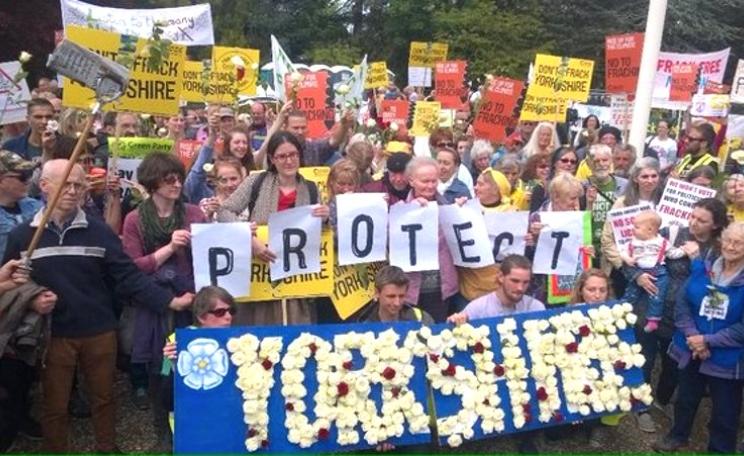
Conservative councillors have passed an application to frack in the Yorkshire Dales by Third Energy, signalling the return of shale gas exploitation in the UK after a five year break, writes Victoria Seabrook. Campaigners vow: 'We will fight on!'