This May the Greens are hoping to win their first seats in the Welsh Assembly, and become a strong force for social and ecological progress, writes Alice Hooker-Stroud, newly elected leader of the Wales Green Party. At the heart of the vision: sustainable, prosperous, empowered communities.
According to classical economics Adam Smith's 'invisible' hand' of free markets produces the greatest good for us all, writes JP Sottile. But what happens when rip-roaring 'external costs' are left out of the equations? Wars, repression, pollution, resource destruction and climate change. And because that invisible hand is connected to Mother Nature, it's coming back to strike us.
Wind, solar and hydro together generated 14.6% of Britain's electrical energy in 2015, the highest ever, writes Grant Wilson. They also peaked at 22% of electricity over the week of Christmas - another British record.
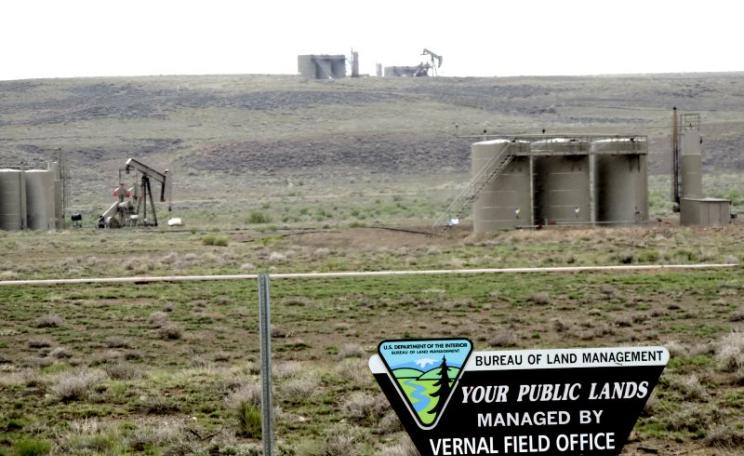
Now that the US is signed up to ambitious Paris targets to limit warming, it too must play its part in keeping fossil fuels under the ground, write leading US campaigners. So let's make an immediate start by halting all new federal oil and gas leasing on public lands pending a full climate and environmental impact study.
The UK's nuclear power programme is driven by military demands, write Andy Stirling & Phil Johnstone - but not in the way you might think. The most essential need is not for plutonium or tritium, but for a nuclear industrial sector to design, build and maintain the reactors that power nuclear submarines. Without them, the Trident missile system would have no military credibility.
The massive methane leak at Aliso Canyon in California tell sus everything that's wrong with fossil fuels, writes Pete Dronkers: toxic, under-regulated, unsafe, and climate destroying. But the catastrophe also brings us a timely message: this is the time for the California, the US, and the world, to begin a rapid transition away from fossil fuels and into our clean, green, renewable future.
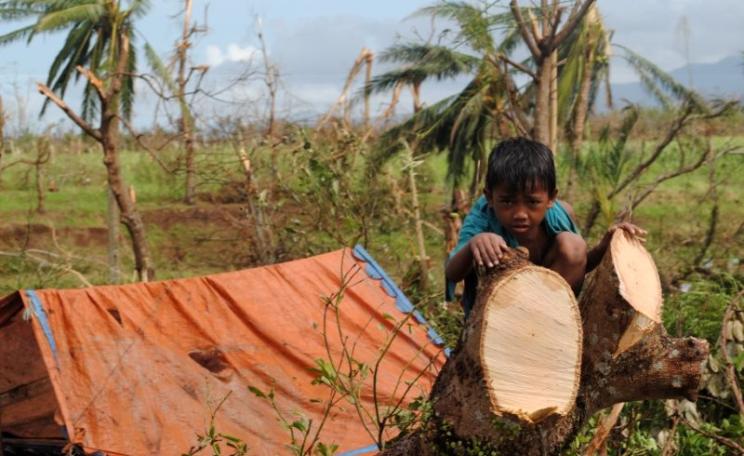
The Philippines is taking a huge leap forward in the climate wars, writes Ellen Baker, with the world's 'top 50' energy giants standing accused of violating international human rights law as a result of their fossil fuel production. This is the first such investigation ever to take place anywhere in the world - and it just opened up a whole new front of corporate vulnerability.
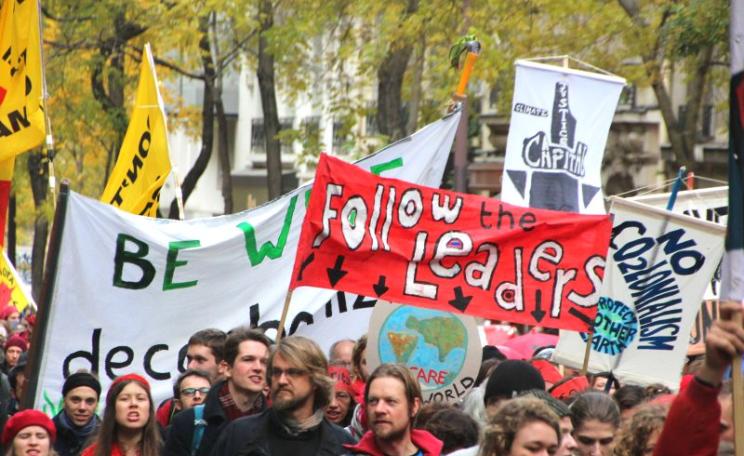
The Paris Agreement provides a clear mandate to limit global warming, writes Jeremy Brecher. And with governments doing nowhere near enough, it's up to ordinary citizens - through civil disobedience if needs be - to make sure the world breaks free from fossil fuels. Let's make 2016 the year of 'Climate Insurgency'!
Renewable energy could supply Russia and Central Asian countries with 100% of their electricity needs by 2030, writes Paul Brown - and cut costs significantly compared to nuclear power and CO2-abated fossil fuels.
TransCanada has just made a big mistake by bringing its $15 billion lawsuit against the US government for refusing the Keystone XL pipeline, writes Sam Cossar-Gilbert. The move has exposed the real nature of 'trade deals' like TTIP and TPP - and why all democrats must rally to defeat them.
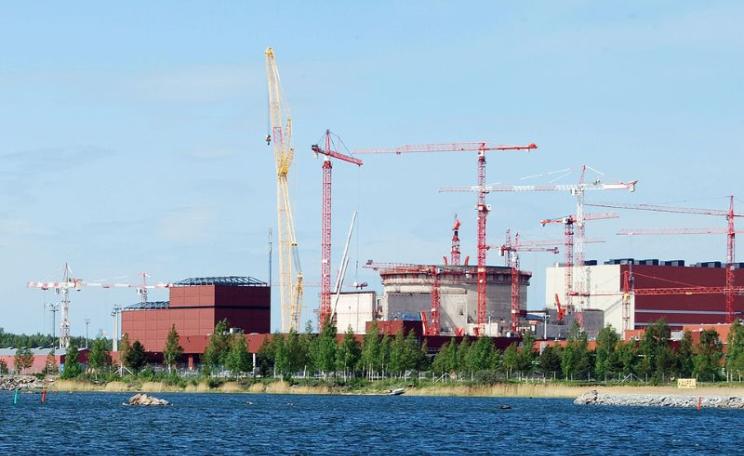
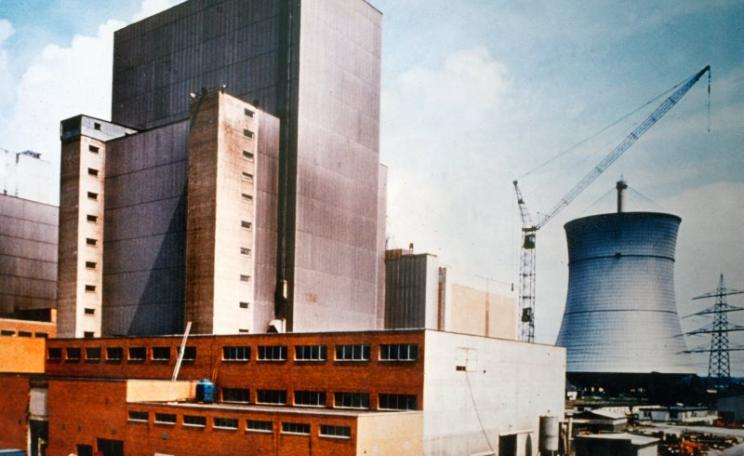
The cash-strapped French energy giant EDF may sell off profitable stakes in its in its eight existing UK nuclear reactors to raise money for the Hinkley Point C project. But with no example of the EPR design planned for Hinkley even near completion, it may all prove a risk too far.
Which of hand dryers or paper towels have the greatest impact on the environment? asks Simon Lockrey. Are your paper towels recycled or tree-pulped, your dryers power-hungry and long-blowing or short-blast and power-saving. Only full Life-Cycle Analysis can reveal the true punches these seemingly harmless items can deliver to our environment.
Almost 60 years since the world's first commercial nuclear power station began to deliver power to the UK's grid, the industry remains as far from being able to cover its costs as ever, writes Pete Dolack. But while unfunded liabilities increase year by year, governments are still willing to commit their taxpayers' billions to new nuclear plants with no hope of ever being viable.
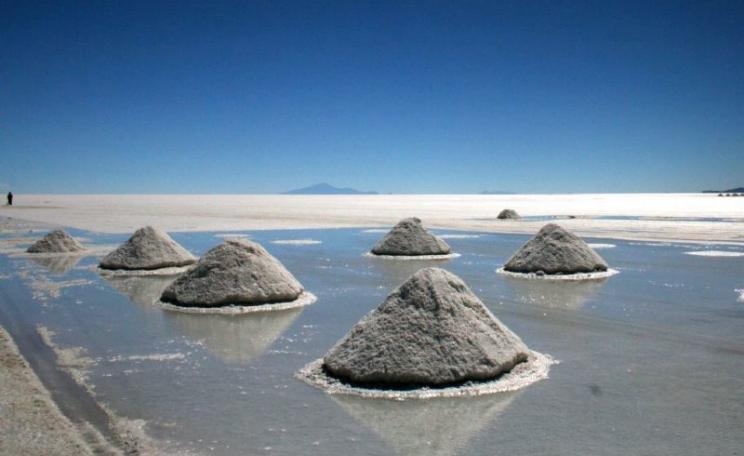
Lithium is a key global resource for the global energy transition thanks to its role in the lightweight, efficient batteries that will power cars and balance power grids, writes Rafael Sagárnaga López. But the booming demand threatens to contaminate one of the world's great wonders, the Salar de Uyuni, 12,000 feet high in the Bolivia's Andes, which holds 70% of the world's lithium reserves.
The UK's insistence on opening up the UK to fracking is symptomatic of a deeper malaise, writes Paul Mobbs. Of course we need a change of government, but more than that, we need a deeper, enduring change of the nation's governance if we are ever to effect the transition to sustainable policies on energy and environment. It's time for the UK to become truly democratic.