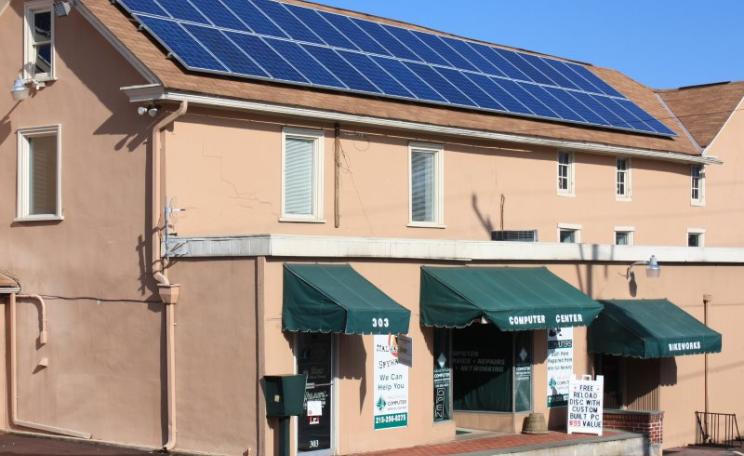
Surprise changes to the Finance Bill in its third reading have withdrawn tax benefits for investors in community renewable energy projects, writes Georgina Matthews. While some societies are rushing to complete their fund-raising by the end of the month, others have been forced to close. If these measures are not withdrawn, a small but flourishing sector will be at risk.
Floating wind turbines offer huge falls in the cost of offshore wind power, writes Paul Brown, and could be generating power in UK waters at well under the cost of new nuclear by 2020, provided adequate support.
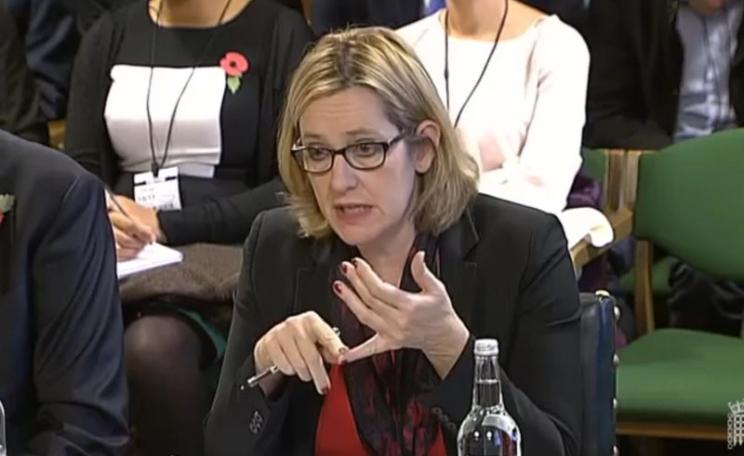
Despite strong public support for wind and solar power in an official survey published today, the UK's likely failure to meet its EU renewable energy target, and an impending legal challenge, Energy Secretary Amber Rudd today told MPs she would not be reversing recent cuts, writes Oliver Tickell.
The UK-China plan for new nuclear build in England defy the evolving reality of 21st century power networks, writes Paul Dorfman. In China itself, the nuclear dream is hitting construction problems and delays, while wind and solar blossom at ever falling cost. But the phenomenon is global. Despite some governments' nuclear obduracy, renewables are winning the race hands down.
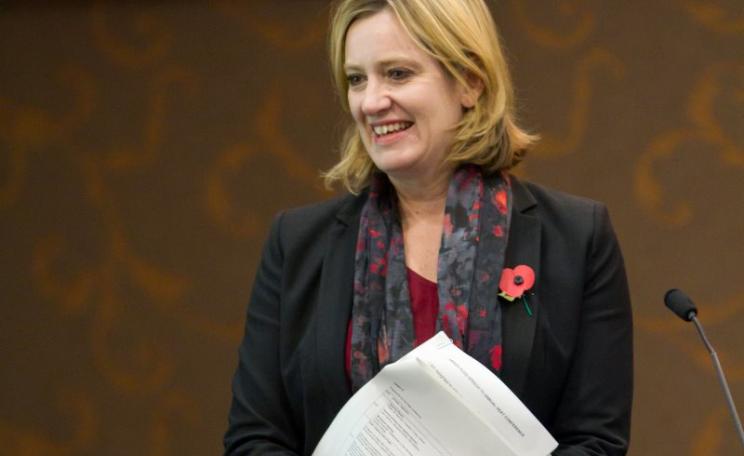
A letter from Energy Secretary Amber Rudd leaked to The Ecologist shows that she misled Parliament by promising the UK was 'on course' to deliver on its renewable energy targets - when in fact there is a delivery shortfall in 2020 of almost 25%. Her plan to fill the gap relies on more biofuels, buying in green power and 'credits' from abroad - everything but wind and solar.
As temperatures soar in the Persian Gulf, modern buildings rely on energy-guzzling air-conditioning to maintain tolerable temperatures, writes Amin Al-Habaibeh. But traditional buildings stay cool passively using shade; wind and thermally driven ventilation; and naturally insulating, reflective materials. For a sustainable future, modern architects must revive the ancient knowledge.
India's neoliberal government is attempting the mass seizure of indigenous lands, commons and forests in order to hand them over for corporate exploitation with mines, dams and plantations, writes Pushpa Achanta. But tribal communities are rising up to resist the takeover, which is not only morally reprehensible but violates India's own laws and international human rights obligations.
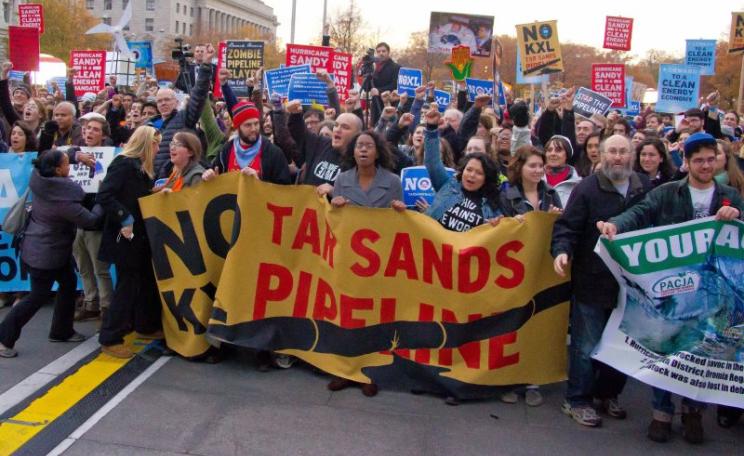
US President Obama today refused to permit the 1,200 mile Keystone XL pipeline from Alberta to Nebraska that would have carried 800,000 barrels of oil a year of tarsands oil into the US, citing climate concerns.
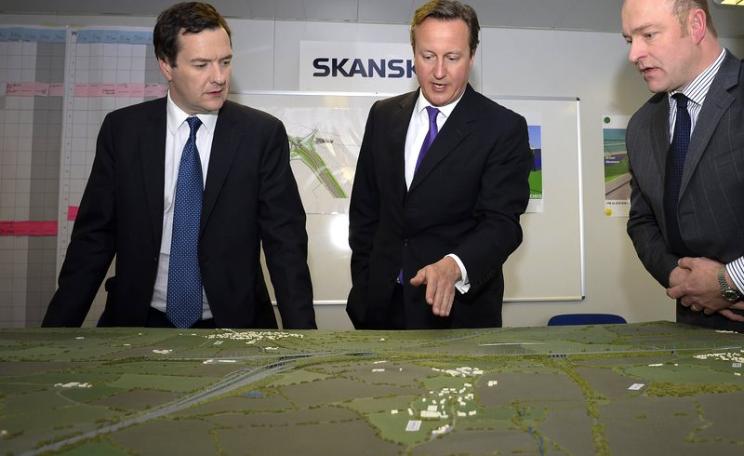
The UK's nuclear deal with China makes no sense, writes Jeffrey Henderson - unless you factor in the simultaneous agreement to forge lucrative links between UK and Chinese financial markets. Lucrative, that is, for the City institutions whose interests the British government so assiduously represents. As for the rest of us, our task is simple: to bear the ever-growing cost.
The world could soon be generating all its electricity from renewable sources, writes Dave Elliott, by harnessing diverse technologies for generation, grid balancing and energy storage. Add to that the use of power surpluses to make fuels, and it could even be feasible to make all our energy - not just electricity - renewable. A clean green future beckons.
What's the new 'big thing' in energy? Of course, cheap, abundant solar power is very new and very big. But to make it work on a really large scale we need to be able to store its energy to use when we need it, not just when the sun is shining. Soon the batteries will be there to make that possible - at a price we can afford. And that will be a very big thing, indeed.
An analysis of power prices in the US state of Pennsylvania shows that if solar power increased from the 0.1% of electricity it supplies now, to 5%, then all customers would save $25 a year. Far from 'net metering' for solar being a 'burden' as utilities claim, it makes money for them, and their customers!
Another week, another renewable energy cut. This time George Osborne is swinging the axe at tax breaks for community renewable energy schemes, writes Aisha Gani - even though previous cuts have already made 90% of projects unviable.
The president of Burma has decided that coal is the way to future wealth and prosperity, write Carole Oudot & Matthieu Baudey. But if the experiences of farmers and village people near Tigyit, site of the country's biggest coal mine and coal-fired power plant is anything to go by, it will bring only poverty, pollution, ill-health and land grabs to rural communities across the country.
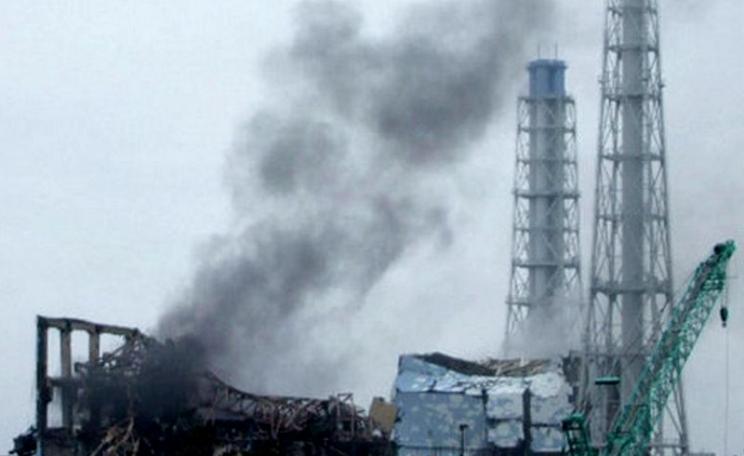
China's plans for 400 nuclear reactors threaten global catastrophe, writes Oliver Tickell. In the normal way of things we could expect major accidents every few years, but with 300 reactors along China's seismically active coast, a major tsunami would be a Fukushima on steroids - wiping out much of China and contaminating the whole planet.