A new report by accountancy giant EY says the UK's Conservative government has sentenced renewable energy sector to 'death by a thousand cuts', writes Emma Howard, and left investors puzzled at inexplicable policy changes.
A new report on fracking and climate change from the Task Force on Shale gas presents a rosy picture of the fuel's role as a climate-friendly 'bridge' to a renewable energy future, writes Oliver Tickell. But the truth is the precise opposite - it's a climate disaster that will only delay the arrival of clean energy.
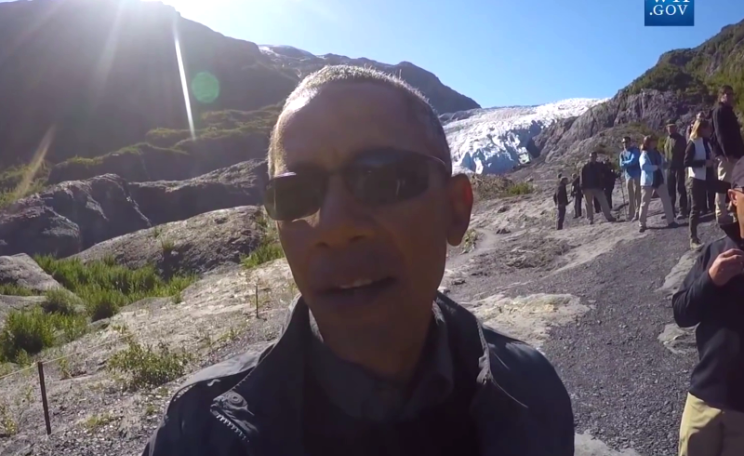
President Obama's whistlestop Alaskan tour highlighted his unique ability to believe in two completely contradictory ideas at once, writes Timothy Clark. On the one hand, the importance of climate change and the urgency of preventing dangerous warming. On the other, the importance of the Arctic's fossil energy and the urgent need to exploit it as rapidly and completely as possible.
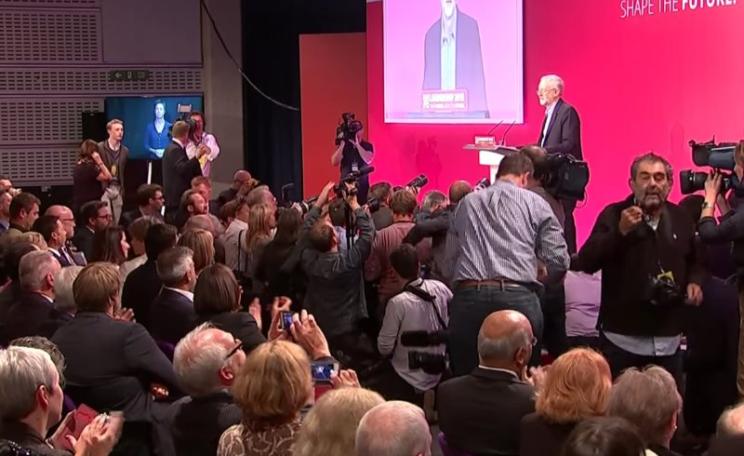
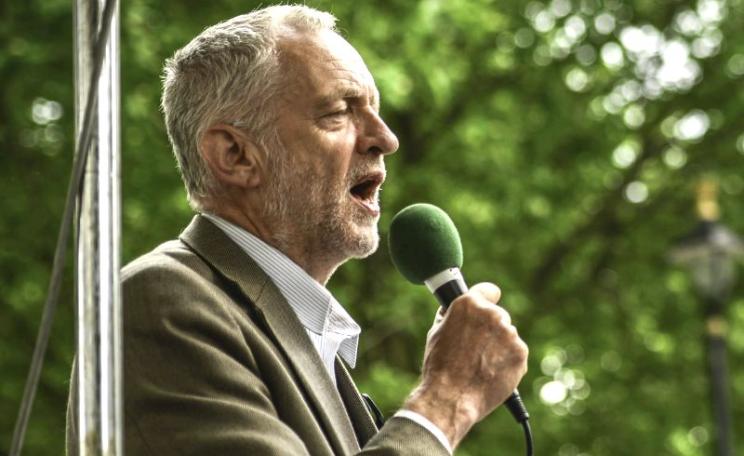
The magnitude of Corbyn's victory today represents an irreversible seismic shift in British politics, writes Oliver Tickell. Finally the Tories face serious, principled opposition that will reveal them as the far-right ideologues they truly are. The reverberations will echo far, wide, long and deep, including to the US where the socialist Bernie Sanders is well on his way to winning the Democratic nomination.
This year's Community Energy Fortnight is taking place at a strange time, writes Jonathon Porritt, with the entire renewable energy industry under government attack as never before. What can we do about it? For a start, by joining in some of the hundreds of events that are taking place across the UK!
For anyone who believes in the ineffable wisdom of 'free' markets, the current sinkaway oil price takes some explaining, writes James Meadway. Saudi Arabia's big gamble that it could put US shale oil out of business by over-pumping has now collided with China's falling demand for energy. Result: oil producers everywhere are swimming in red ink. Where will it all end?
The single biggest energy service we all need is heat, writes Rob Raine - yet it's largely ignored in the energy policy discourse. By focusing on heat as well as power, we can accelerate the transition to renewable energy sources and - because heat stores are far cheaper than batteries - keep the costs down.
Consumers are routinely ripped off in an anti-competitive retail energy market dominated by a handful of big, polluting companies, writes Stephen Hall. Jeremy Corbyn's vision of a nimble, decentralised energy democracy with rapid development of renewables and real choice is both timely and innovative.
Nuclear power advocates cling like limpets to the idea of 'baseload' power, writes Michael Mariotte. No surprise there - it's the only selling point they've got. It's just too bad the idea is obsolete. Variable renewables combined with stronger grids, energy storage and responsive demand can do a better job for less money. No wonder the shills are getting desperate.
The notion that nuclear is cheaper outside the UK is a myth, writes David Toke. Yes, it looks more expensive here - but only because new stations like Hinkley C have to compete in an electricity marketplace, making it harder to conceal the true costs like we used to.
How comes doing 'the right thing' comes with hidden costs? For state schools planning to go solar this year the business rate hike would reduce the lifetime return of the panels to zero or even negative, while those that have have already installed solar panels face an unexpected tax bill in excess of £800 a year.
President Obama and India's Prime Minister Modi are best of friends - aren't they? So how come the US took India to the WTO's trade court - and just won a resounding victory? And why isn't India challenging the US's own discriminatory solar subsidies? It's because of the money, writes Charles Pierson. And poor India has no choice but to play by Washington's rules.
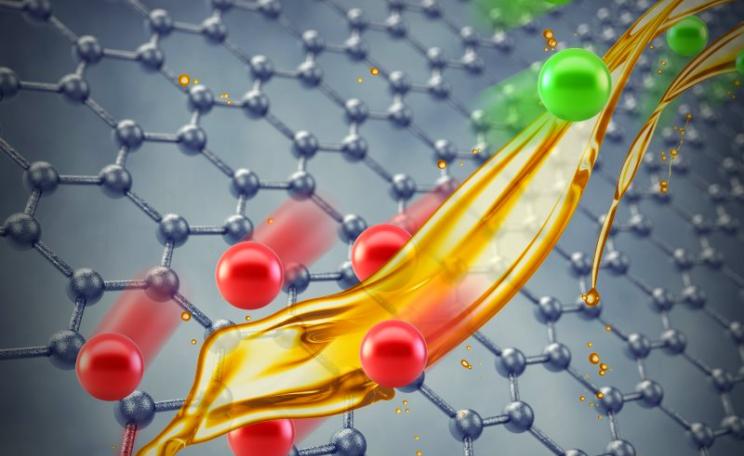
A new generation of energy storage devices is on its way, writes Mark Douthwaite: small, lightweight, efficient, long lived. Just what we need to unleash the potential of renewable energy, electric cars and a decentralised power grid. And it's all thanks to graphene.
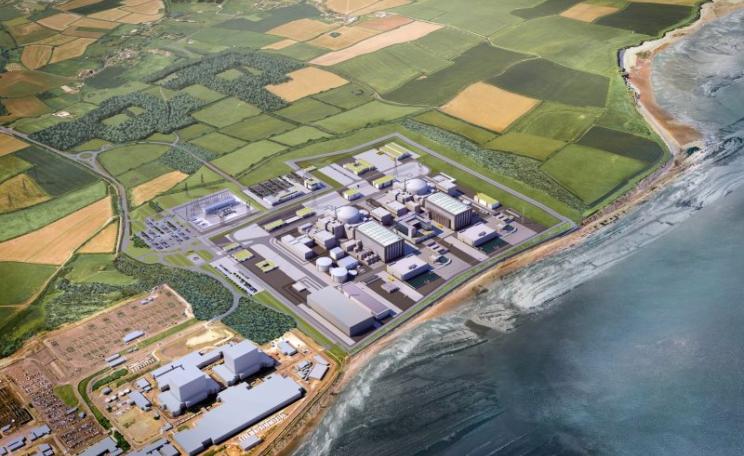
EDF has indefinitely postponed its Hinkley C nuclear plant in Somerset, England, as a new IEA analysis shows that its power will cost UK energy users three times more than it should, writes Oliver Tickell. A similar reactor in France is running six years late and three times over budget - and may never be completed.
It's tough being a filmmaker on the front line of environmental defense, writes David Lavallee - challenging corporate control of the Earth's resources, not to mention governments and security services, all of them intent on extracting every last drop of oil and gas from the world's most pristine places. All the more so when holding a camera makes you an instant 'eco-terrorist'.