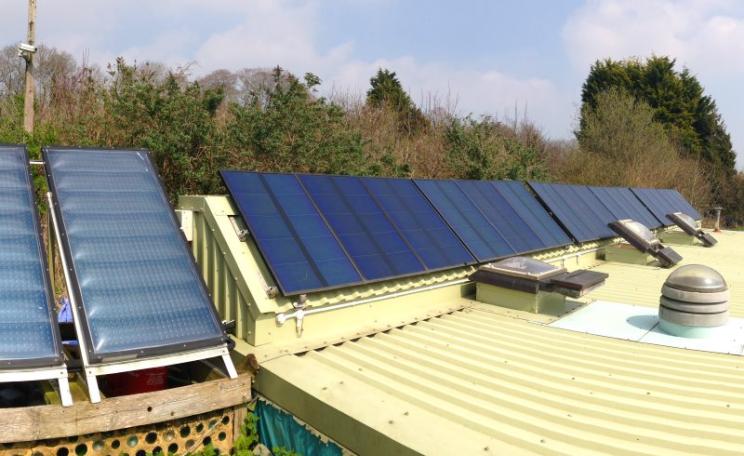
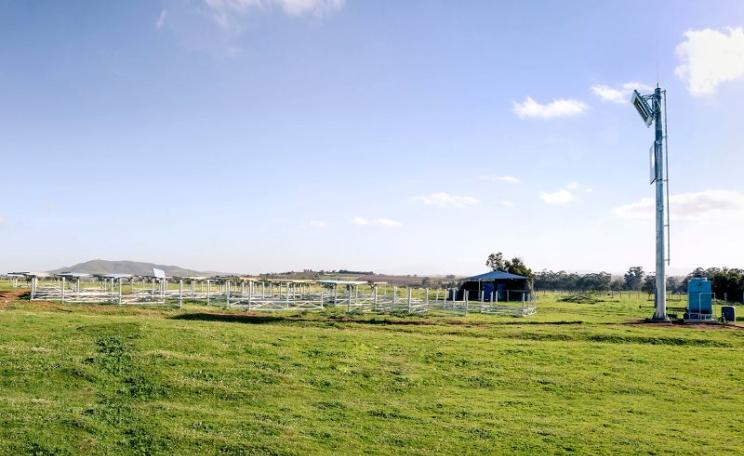
Solar PV costs have fallen by 75% over five years ago, writes Chris Goodall, making it the cheapest new power source for around half of the world's population. Now it's essential to keep incentives to drive demand for a few more years, and make it cheaper than fossil fuels everywhere.
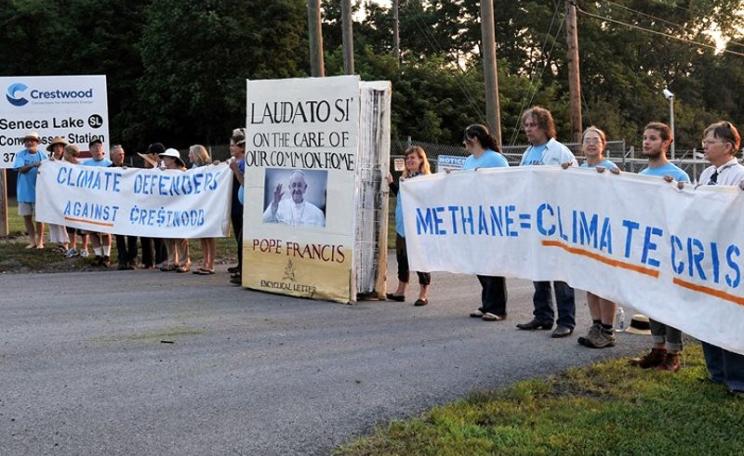
Protests against plans to make an enormous storage site for fracked gas at Seneca Lake in New York state seven times bigger are gathering pace, writes Ashoka Jegroo, with 13 arrests at a gate blockade last week. But is the company, Crestwood, getting the message?
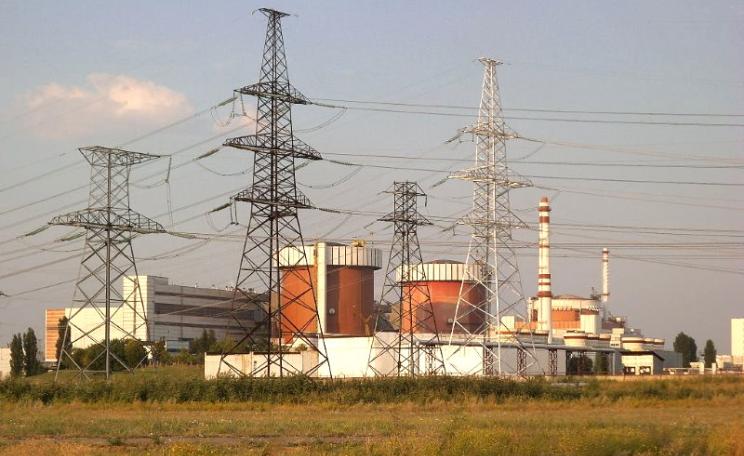
Ukraine's state-owned nuclear generator is suing anti-nuclear activists in its latest attempt to stifle public debate over the country's ageing fleet of 15 nuclear reactors, while refusing to release information in breach of international obligations.
The Tories' decision to scrap the UK's renewable energy sector deserves condemnation, writes Oliver Tickell. But there is a silver lining: it creates the space in which to design better, cheaper, more cost effective support mechanisms to drive the clean energy revolution forward.
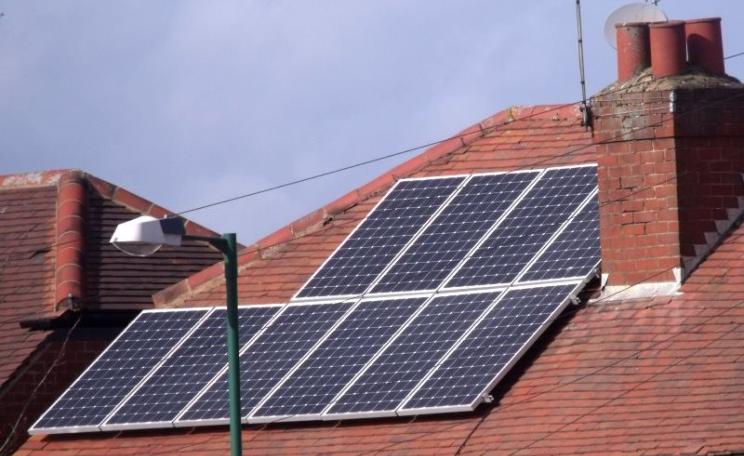
The UK government is to cut support for domestic rooftop solar to 13% of current levels, with similar cuts for bigger systems, and end all support for small scale renewables by 2019. The likely result, and surely the intention, is to kill off the UK's solar industry altogether.
The 'other' solar technology, CSP, which uses mirrors to concentrate the sun's rays, is about to get a lot cheaper, writes Jeffrey Barbee. A South African team has developed a low cost design suitable for mass production that can be 'plonked' on site straight from the factory.
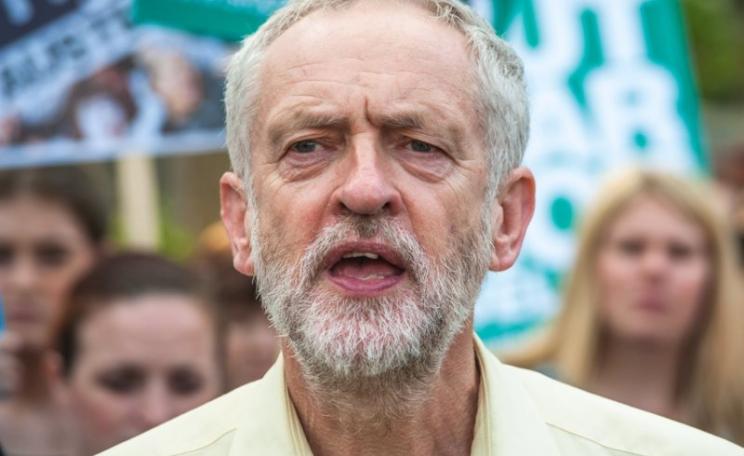
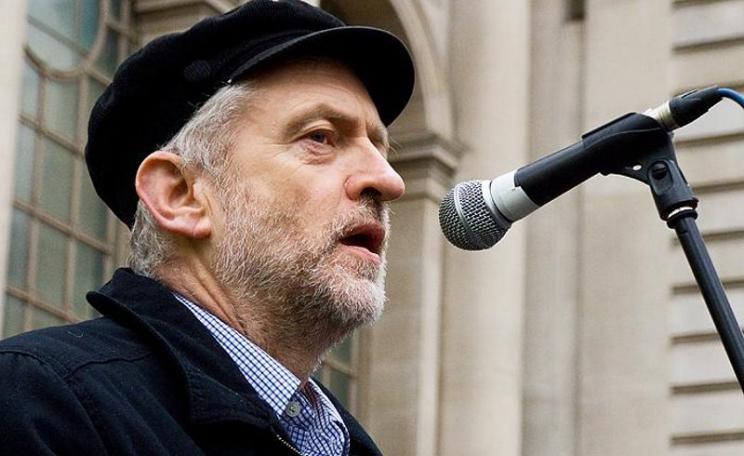
Despite Labour's 'great purge' of left-leaning voters in the leadership election, Jeremy Corbyn remains the odds-on bookies favourite. So if he comes to power, what policies can we expect in energy and climate change? Damian Kahya asks the questions ... and is astounded at the range and scope of his ambitions. But how much could he really deliver?
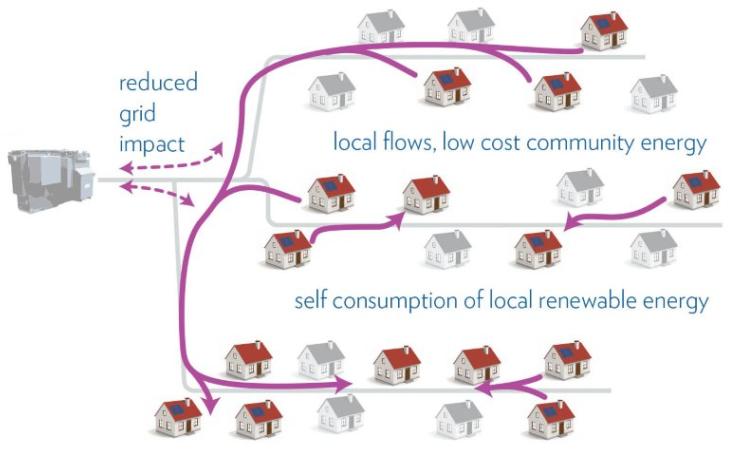
With centralised fossil-fuel and nuclear generation both undesirable and increasingly unviable, the answer is to make our energy local, distributed and renewable, writes Chris Wright. But to complete the picture we need battery systems for backup, stability and efficiency. And one could be coming your way soon ...
Nuclear energy is a failed technology that's never been safe, affordable or effective at reducing carbon emissions, writes Peer de Rijk. But that won't stop the world's nuclear lobbyists from thronging to COP21 in Paris determined to secure a place for nuclear power among the 'solutions' to climate change. We must make sure they fail.
Last weekend Toni Belly was occupying Germany's biggest open cast coal mine in the once lovely Rhineland area, one of thousands of protestors from 350.org and other groups determined to shut the operation down. Nursing his bruises and eyes still sore from pepper spray, he set down his account of an unforgettable day of action.
Jeremy Corbyn is the one candidate for the Labour leadership who is serious about the environment and social justice. Only he can re-energise the Party, turn it into a political force capable of defeating neo-liberalism, and lead the progressive government that Britain so desperately needs.
It's a fair question, writes Doug Parr, but one to which we are getting no answers - the government is keeping its sums and energy models secret. It looks as if the energy department, DECC, is making things up as it goes along to justify its pro-nuclear, anti-efficiency and anti-renewables policies. And when it all goes disastrously wrong, who will end up paying for the mess? We will.
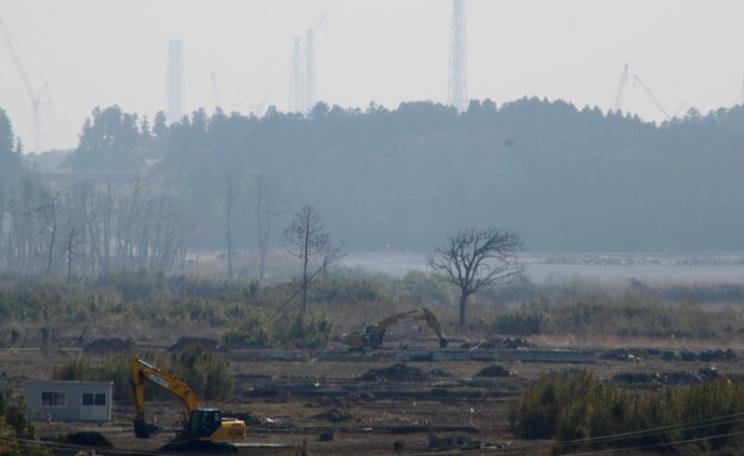
New evidence from Fukushima shows that as many as 2,000 people have died from necessary evacuations, writes Ian Fairlie, while another 5,000 will die from cancer. Future assessments of fatalities from nuclear disasters must include deaths from displacement-induced ill-heath and suicide in addition to those from direct radiation impacts.
Malaysia is pushing ahead with its plans for a devastating series of 12 dams in the rainforests of Borneo that will kill a billion trees, bring death to wildlife on a stupendous scale and evict tens of thousands of indigenous people and their communities, writes Jettie Word. Now a new film honours their struggle for land, forest and freedom.
China is by far the world's biggest producer of solar panels, writes Kieran Cooke. But the industry is suffering from over-capacity, razor thin profits and a failure to innovate.