At an £11 billion cost to energy users, and against all expert advice, writes Mel Kelly, the government is forcing the rollout of 'smart meters' repeatedly exposed as expensive, poorly tested and potential threats to our health and privacy. This madness must stop.
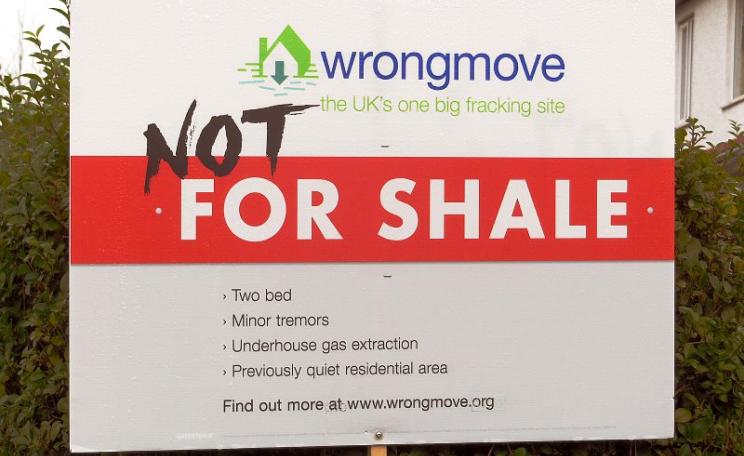
New measures to compel local councils to speed up frackers' planning applications have a clear intention, writes Oliver Tickell - to make it ever harder for planners to refuse permission.
The success of the SNP and surveys carried out by DECC show that green energy is overwhelmingly popular, writes Keith Barnham. Labour's failure to support renewables and oppose nuclear power and fracking may have cost them the last election - but now, with the rise of Jeremy Corbyn there's a real chance for the party to put that right.
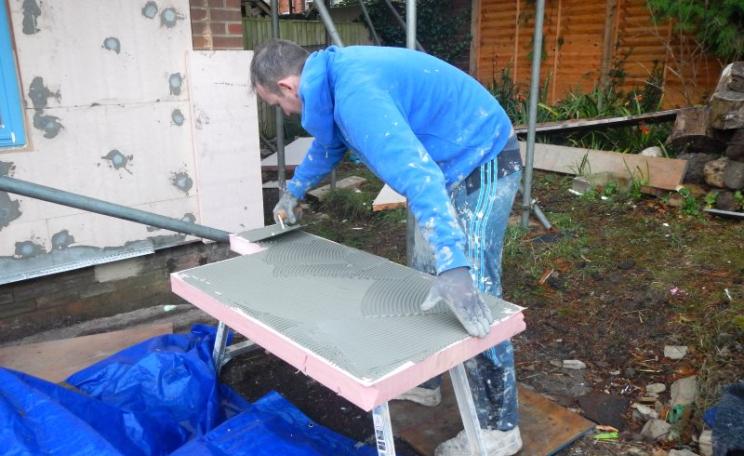
The Green Deal was expensive, bureaucratic, complex, inefficient and so badly designed it could have been set up to fail, writes Sue Roberts. Yet it was the UK's only national home insulation scheme and its intentions were sound. What it needed was rethink and reform, not scrapping - and with it gone, there's a huge gap that desperately needs to be filled.
There is huge untapped potential in the green economy to create millions of decent jobs, writes Jean Lambert - but only if lessons are learned from the Government's flawed, now scrapped, Green Deal. Lesson one: we desperately need a well-funded, ambitious replacement.
An new design of tidal power turbines will generate power at a third the price of current technologies, write Alex Kirby & Oliver Tickell, even at a lower price than offshore wind - without endangering marine life.
We need a renewable energy revolution, an end to fracking, no new nuclear power, efficient homes, and the break up of our energy cartels, writes Jeremy Corbyn, All that, and strong protection for wildlife and oceans, no TTIP trade deal with the US, clean air to breathe, and massive investment in public transport. Is there anything not to like?
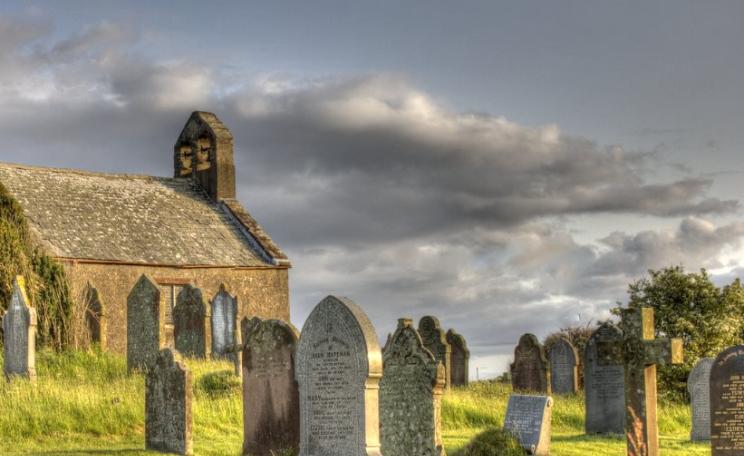
The land grab by NuGen for its triple reactor Moorside site keeps on growing, writes Martin Forwood. The 'biggest construction project in Europe' is expanding from Nugen's original 200 hectare site to 552 hectares of farmland reaching right up to two villages and an 11th Century church. But with compulsory purchase on the cards, there's nothing locals can do except keep on fighting the entire deeply flawed project.
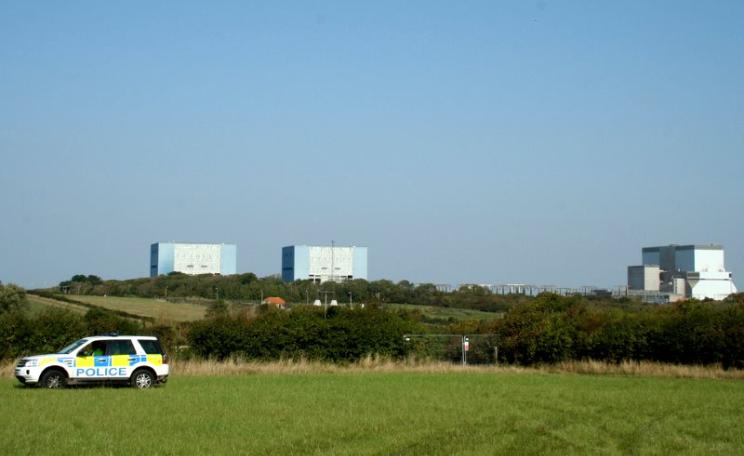
Following high-level criticisms of the Hinkley C nuclear plant from HSBC and the Chancellor's father in law, EDF, the company in line to build the power station, is fighting back hard, writes Oliver Tickell. But it could all be too late to rescue the doomed project.
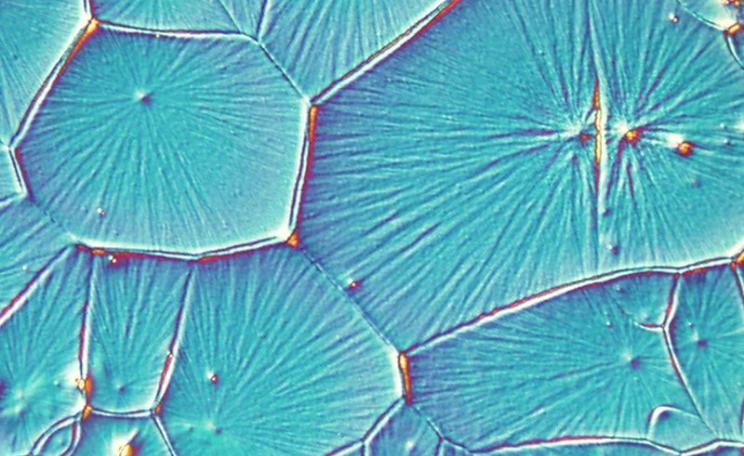
Solar panels made using perovskite technology pay back the energy used to make them ten times faster than those using silicon. In time, this could lead to similar falls in price.
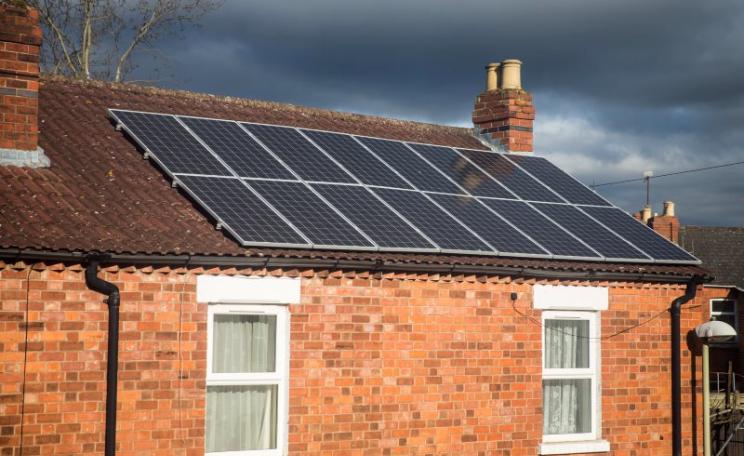
With the US, China, Germany and other countries firmly fixing their aim on a low carbon, renewable energy future, the UK government has chosen precisely the opposite track, write Noam Bergman, Lee Stapleton & Mari Martiskainen. Its mission to destroy wind and solar power, undercut energy efficiency and boost nuclear power and fracking threatens serious, lasting damage.
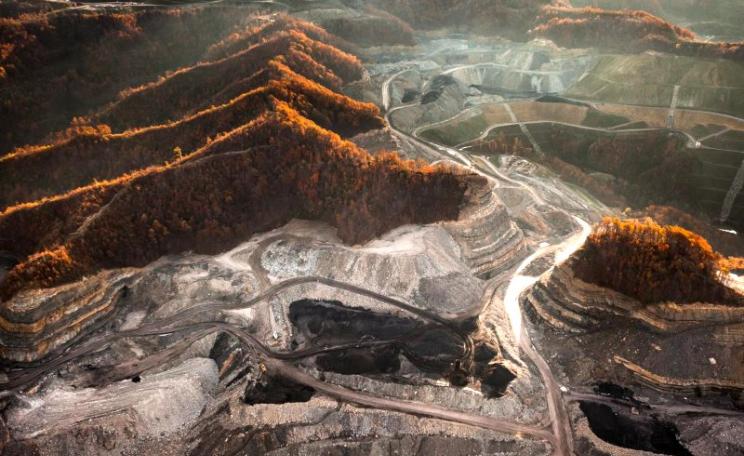
There's one big thing that Britain's biggest banks could do to reclaim their grievously impaired reputations, writes Greig Aitken: commit to stop investing in coal projects. As well as reducing climate change and local environmental impacts, it would also 'de-risk' their balance sheets as the global tide, from the US to China, turns against the dirty, carbon-heavy fuel.
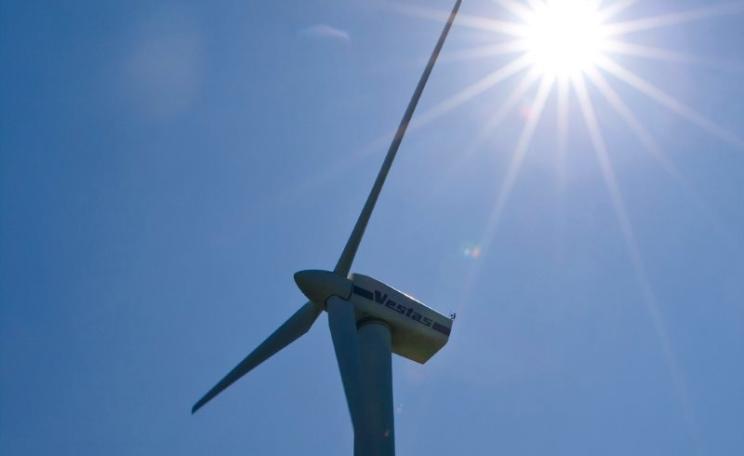
The UK government has timed its attacks on renewable energy to perfection, writes Alasdair Cameron. Public 'consultations' on proposals to cut away support for wind and solar are running over the holidays - and many of those affected don't even know about it. It's time for us all to stand up for the green economy and make our voices heard!
Never mind government inaction (or worse) on climate change, writes Assaad W Razzouk. Solar power costs just keep on falling, and it's already providing the lowest cost electricity across much of the world. With $7 trillion of investment piling into the sector, the momentum is now unstoppable.
The wind is a force of nature over which only someone with extraordinary delusions of grandeur can truly claim ownership, writes Adam Ramsay. But to prevent that, we must assert our belief that wind, sun and other drivers of our renewable future are a common heritage for us all to benefit from.