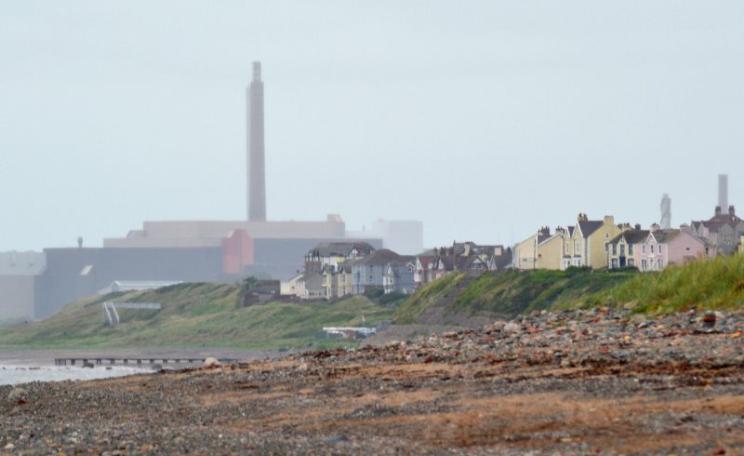
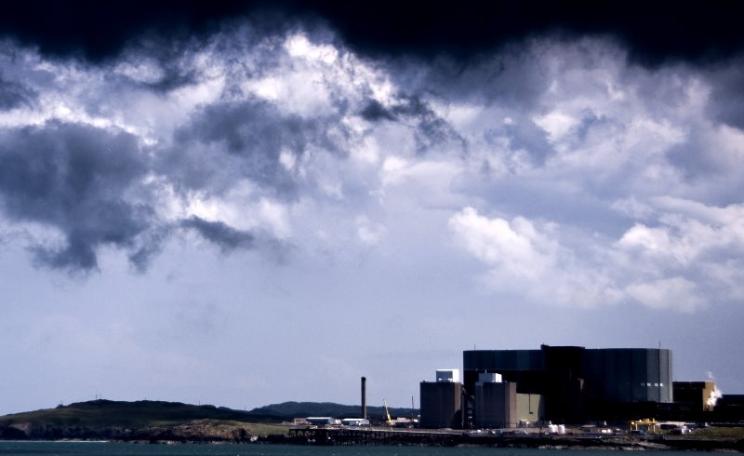
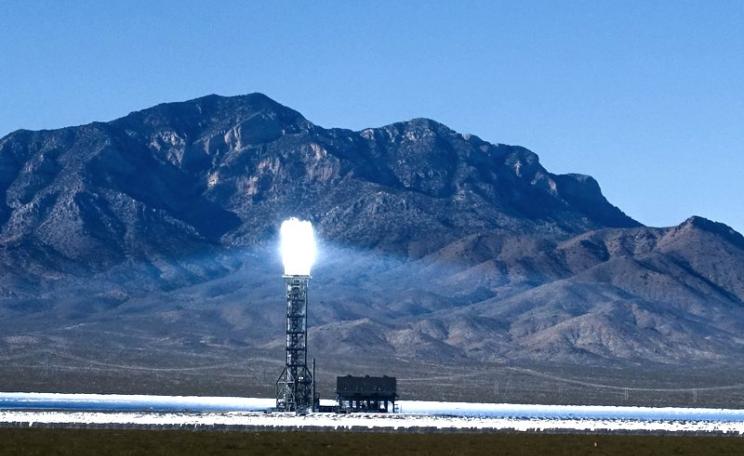
Despite the PR spin the truth about nuclear power is clear, says Paul Flynn. Current projects are plagued with technical failures, cost escalations and long delays - while renewables power ahead. As tin-eared ministers refuse to get the message, it's time for civil servants to speak out direct to the public.
Sarawak state in Malaysian Borneo already has an excess of electricity from existing hydropower dams - so why is the government determined to build a dozen more, displacing indigenous communities and flooding vast areas of rainforest? The answer, says a new documentary film by The Borneo Project, is simple - massive political corruption.
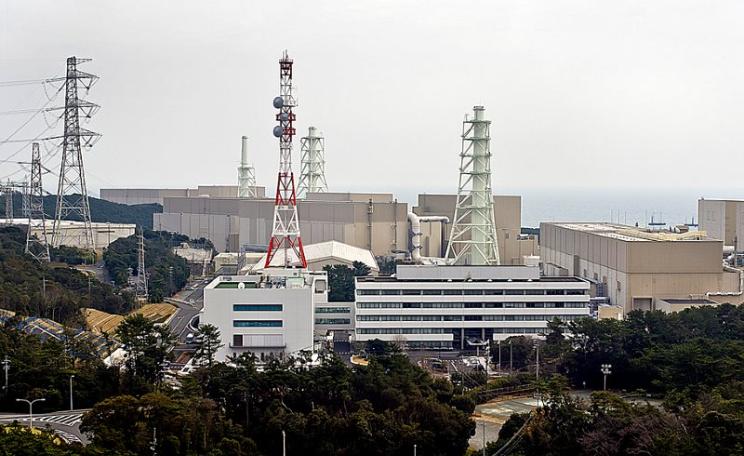
Japan and Germany have much in common: both are major industrial countries that have gone nuclear-free, writes Peter Matanle - Germany by choice, Japan by necessity. But while Germany is actively pursuing its renewable energy revolution, or Energiewende, Japan, possessed of the richest renewable energy resources in East Asia, is stuck in a fossil fuel pit.
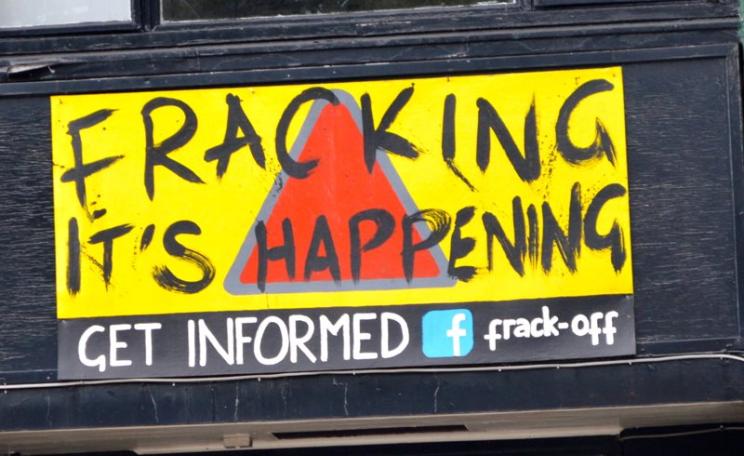
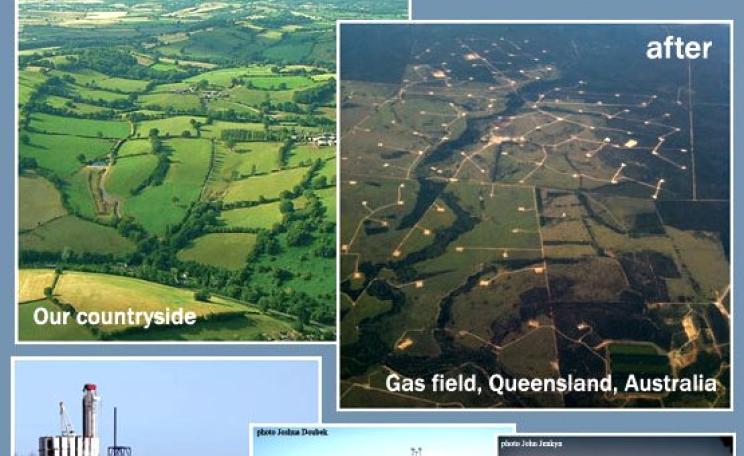
The Government is struggling to spin its policy to fast track fracking, writes Paul Mobbs. So as it cuts the public out of the regulatory process, exempts exploratory wells from controls, and forces the Environment Agency to issue permits with 1-2 weeks, its spin machine has resorted to outright lies and misinformation to conceal the scale of the attack on our environmental rights.
China's success in driving down its fossil fuel burn will raise chances of a success at this year's Paris climate talks, writes Kieran Cooke - but first the world must appreciate the changes China is making, and how clean energy is catalysing a broader economic transformation.
As Lancashire planners come out in support of the UK's first fracking well, Jojo Mehta has something to celebrate: the resounding success of the 'What does FRACKING mean?' leaflets she crowd funded for in April. So far 80,000 have gone out to campaigners and volunteers all over the UK, and requests for more are piling up.
The Midwest's largest ever anti-tar sands demonstration took place in Minnesota last weekend, writes David Goodner, cementing a new alliance of diverse communities united in resisting the pollution and destruction of tar sands exploitation, processing and transportation.
After six decades of oil exploitation, Nigeria's failure to provide for its citizens and develop its economy has exposed a hollowed-out state that benefits only the politicians and plutocrats, writes Joshua Goldfond. This is the environment in which Boko Haram has flourished, and as Nigeria proves incapable of effective action or reform, there's no end in sight to the nation's misery.
Faced with the task of decarbonising our electricity supply, it would be foolish to rule nuclear power out of the mix, writes Baroness Worthington, in her reply to Dr Becky Martin, whose open letter was published in The Ecologist.
Friends of the Earth opposes new nuclear power stations in the UK. And that's great, writes Jonathon Porritt, except for their complete failure to campaign about it - even though the government's nuclear obsession is a huge obstruction to the renewable energy future FoE says it wants. Please can we have some action now?
Thanks to the windy, sunny weather conditions on Saturday, the UK's output of renewable power reached an all-time record level of 43%, writes Chris Goodall. At the same time power from coal reached a low of just 7%, it what may be a record low contribution.
Norway's sovereign wealth fund, worth over $900 billion, has today announced that it will divest from coal, a move expected to force the sale of investments worth $13.3 billion. Campaigners say that other funds have now 'run out of excuses' not to follow suit.
Today UK campaigners against burning biomass for power will deliver a 110,000 signature petition to DECC to protest at government subsidies for the practice. But in this 'Right of Reply' article Matthew Rivers, chairman of Drax Biomass, argues that biomass combustion is sustainable, benign, and helps to conserve forests worldwide.
The Apollo Programme proposed this week to make renewable energy cheaper than coal through technological advances is welcome, writes James Dyke. But the real problems are political, not technological. Unless we back the Apollo vision by challenging the power of fossil fuel companies, it can never succeed.
An ambitious plan to make a wholly renewable energy system cheaper than fossil fuels within a decade has been launched today and is set to receive its first hearing at the G7 Summit in Germany next week.