The stricken 4th reactor at Chernobyl presents a massive long term hazard, writes Kendra Ulrich. A planned €2.15 billion containment arch remains underfunded, and even if it's ever completed, it will only last 100 years. Meanwhile the intensely radioactive nuclear fuel will remain in place representing a long term risk of further huge radiation releases.
The dispersant used in the Deepwater Horizon clean-up appears to be more toxic to corals than crude oil, writes Danielle M DeLeo. It also increases the concentration of oil in seawater, leading to higher, more toxic exposures of oil components when they come into contact with corals and other marine organisms.
A new high-performance 'aluminum-ion' battery could be the technical breakthrough needed to boost the renewable energy takeover. It's safe, uses abundant low-cost materials, recharges in one minute and withstands many thousands of recharge cycles.
Prime Minister Modi's government has frozen the bank accounts of Greenpeace India, writes Praful Bidwai - provoking widespread protest from the environment and civil rights community. It's all part of a wider campaign against 'anti-national' movements that challenge India's development policies based on the aggressive exploitation of coal, minerals, big hydro and nuclear power.
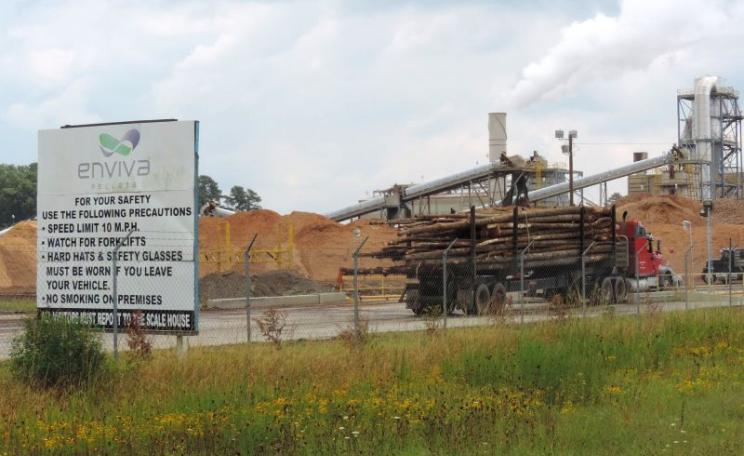
Hundreds of millions of pounds meant to be spent on green energy will soon be lavished on Britain's biggest coal fired power station to reward it for burning 7 million tonnes of wood pellets a year - meant to be 'renewable' but actually driving biodiversity loss and even worse for climate change than coal. DECC must stop this madness!
Hopes of strengthening Britain’s energy security are often pinned on the fossil fuel industry says Vicente López-Ibor Mayor, as exemplified by the hysteria over the claimed 'discovery' of 100 billion barrels of oil beneath Gatwick airport. But the real long-term solution lies with abundant and ever cheaper decentralised renewables.
Russia's Lake Baikal is under threat by a massive dam and pipeline on the main river that feeds into it, that would supply mines with power and water, writes Anson Mackay. In line to fund the project? The World Bank.
Police in India's Uttar Pradesh state yesterday opened fire on a 'sit in' by tribal protestors at the construction site of the Kanhar dam, now under construction in open contempt of court orders. Tribal leader Akku Kharwar and eight others were seriously injured by the gun fire.
A serious flaw in the steel reactor vessel of a nuclear plant under construction in France raises safety fears for the EPR design, write Paul Brown & Oliver Tickell - and casts a dark shadow over the UK's troubled Hinkley C nuclear project.
When Michael Buckley took a white water rafting trip in Tibet in 2005, he had no idea of the adventure he was embarking on - a ten-year investigation of China ruthless exploitation of Tibet's mineral and hydroelectric resources, and its systematic attack on indigenous Tibetans, their culture and their survival on the land.
Nicola Sturgeon secretly met with pro-fracking firm Ineos on the very same day that Scotland announced its shale gas moratorium, writes Kyla Mandel - giving rise to fears of a under-the-table stitch-up.
Days after Shell received US Government backing for its plans to drill in the Chukchi Sea in the Alaskan Arctic, volunteers from Greenpeace have occupied its 'Polar Pioneer' oil rig in the Pacific Ocean to demand a halt to all Arctic oil exploration.
A deal to give up 500,000 acres of public lands in Utah to the tar sands industry in return for 1.5 million acres of industry is a sacrifice too far, writes Alexander Reid Ross, as it disclaims the wider costs of massive water use and contamination in the headwaters of the Colorado River, already seriously stressed by drought.
California has responded to the drought by rationing water, with $500 fines for domestic 'water wasters', writes Evan Blake. But agribusiness and water-intensive industries like fracking remain untouched by the restrictions, even though they consume over 90% of the state's water.
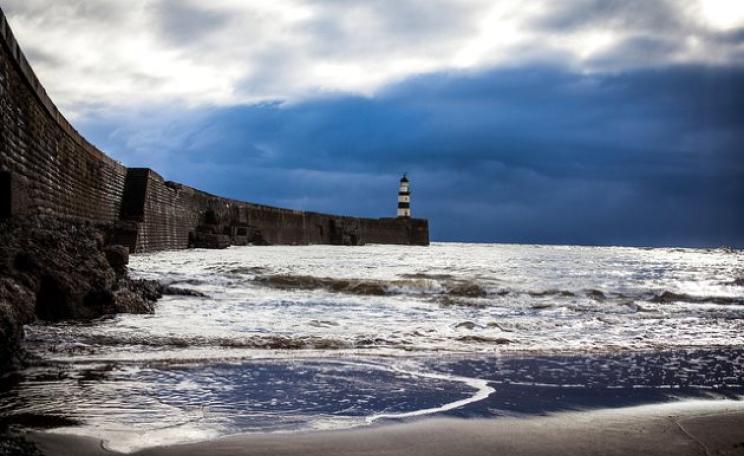
After over a century of coal ash and colliery waste dumping, the Tyne and Wear coastline is no stranger to industrial pollution. But soon a horrific new technology - underground coal gasification (UCG) - will endanger human health and the environment, backed by unflinching Government support and generous lashings of taxpayers' money.