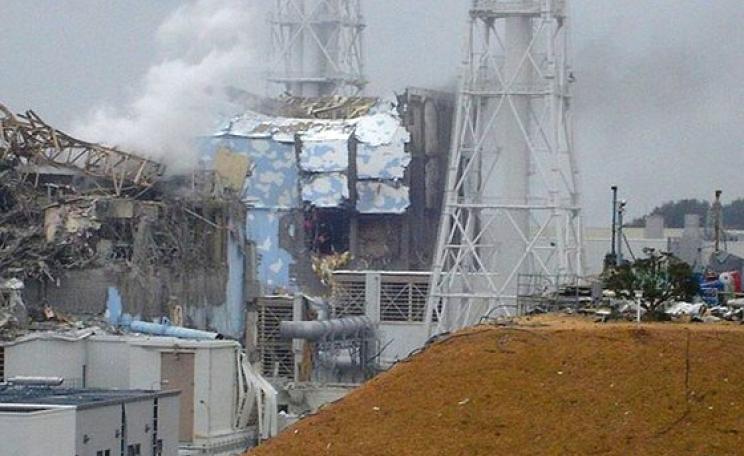
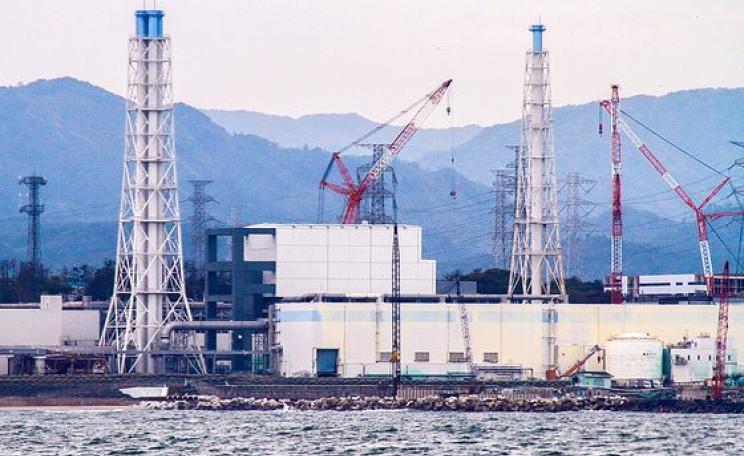
The Fukushima catastrophe four years ago today was no natural disaster, writes Arnie Gundersen. Operator TEPCO and nuclear regulators were well aware of the danger of tsunamis, but put money before safety. Nuclear power remains the only energy source that can destroy a country overnight - and it's time to ditch it!
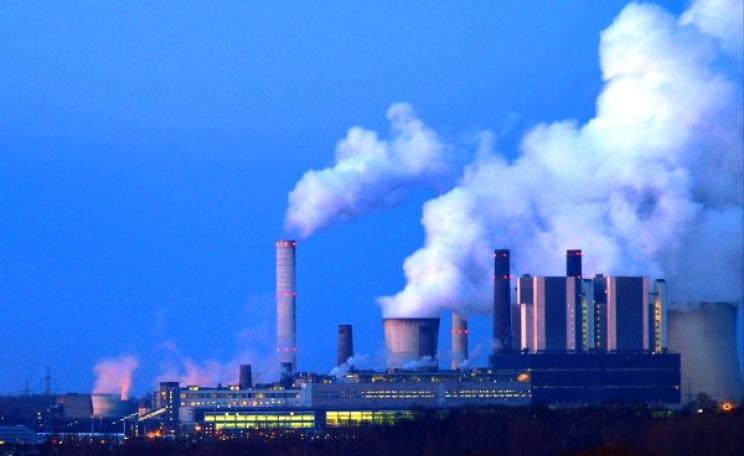
Coal is Europe's biggest source of mercury and sulphur pollution, writes Kyla Mandel, killing tens of thousands of people a year. So how come more than half the members appointed by EU governments to set air pollution standards for coal plants are industry representatives?
Four years ago today the world's biggest nuclear disaster since Chernobyl took place at Fukushima, Japan. Total clean-up costs are estimated around $0.5 trillion, writes Jim Green - but work to defuse the dangers has barely begun, the site is flooded with radioactive water making its way to the sea, and underpaid and illegally contracted workers are suffering a rising toll of death and injury.
Naomi Klein famously called for a 'grand coalition' of the progressive left to fight climate change and Earth-destroying capitalism, writes Alexander Reid Ross. And now it's happening, drawing together diverse strands that encompass the fight for social and racial justice, the right to work, health, clean air and fresh water, and our freedom to be alive and thrive on this our one planet.
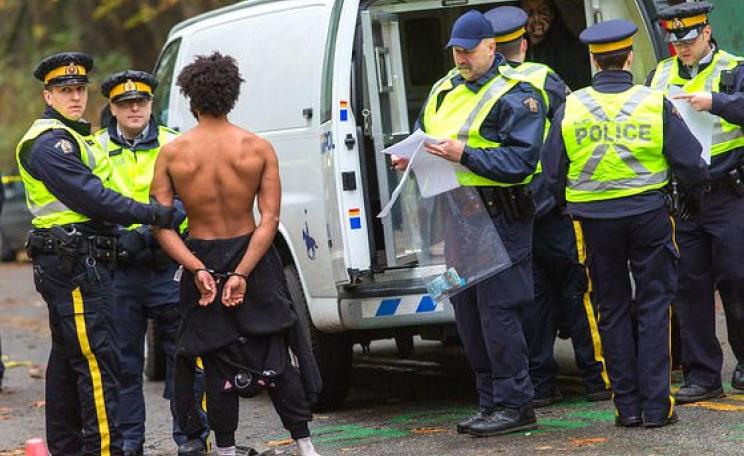
Canada's 'Anti-Terrorism Bill' proposes a massive increase in the power of security services, writes Pete Dolack - and in the crosshairs are campaigners against a tar sands industry that's intent on releasing 240 billion tonnes of CO2 into the atmosphere, and those fighting the pipelines needed to get the heavy crude to market. Who are the real 'extremists'?
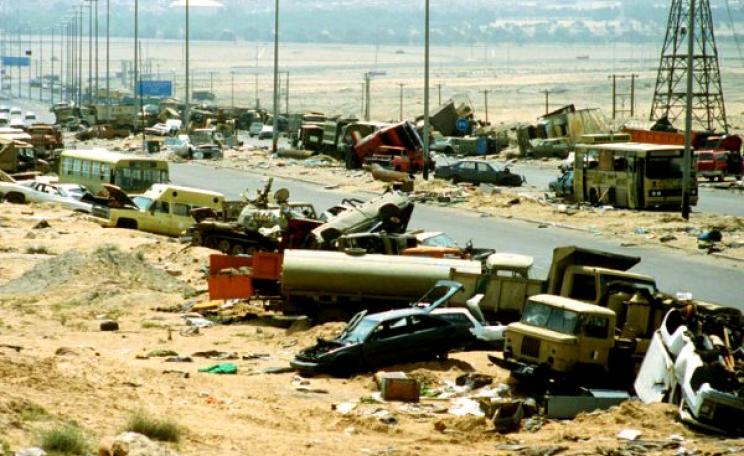
Look beneath the surface of the wars in Iraq, Syria, Afghanistan, Libya, Ukraine, and what do you find? Oil, gas, and contested pipeline transit routes. Never mind high-sounding talk of human rights, national sovereignty, international law and UN Resolutions, writes John Foster - fossil energy is the world's main driver of armed conflict.
A wide-ranging academic study of civil wars in 69 countries from 1945 to 1999 finds that the likelihood of outside intervention increases when the country at war has large reserves of oil, and a potential intervener needs to secure oil imports on favourable terms to meet domestic demand.
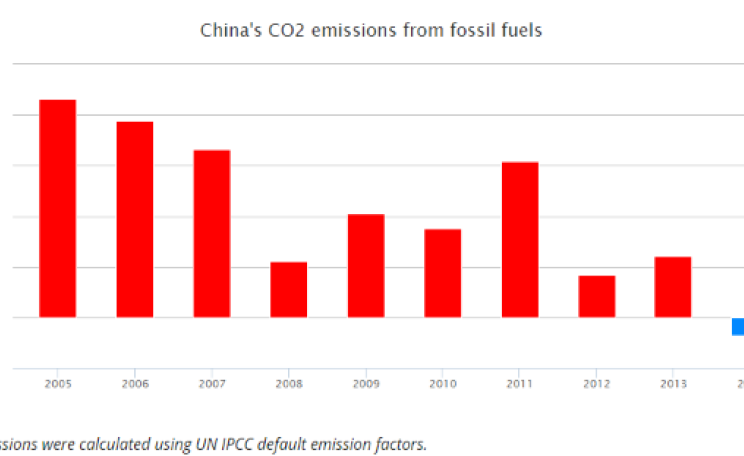
China has just recorded its first fall in emissions from burning fossil fuels in 15 years, writes Lauri Myllyvirta. The sharp decline has surprised analysts, and reflects the fast growing proportion of renewables in the country's power supply.
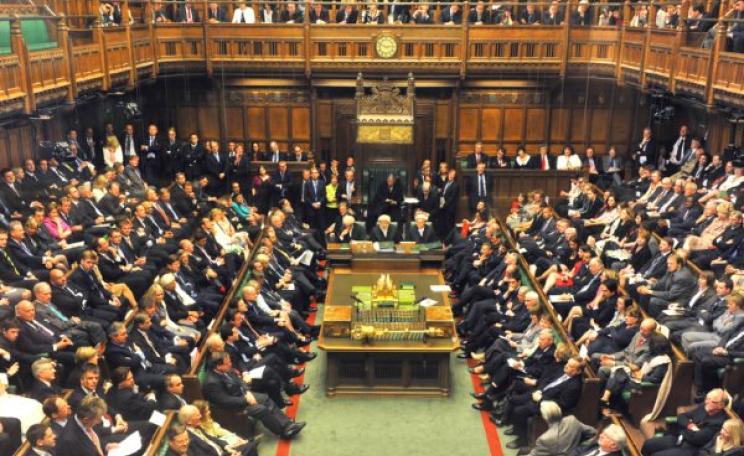
The rushed passage of the Infrastructure Bill with all its pro-fracking provisions and toothless 'safeguards' is an abuse of democracy. And as it's manifestly against the national and public interest, it's also in breach of both MPs' and Lords' legally binding Codes of Conduct. Now Jojo Mehta intends to hold them to account - in Court.
As the UK's nuclear dream fades, writes Chris Goodall, investors are turning to the possibilities of 'Concentrating Solar Power' in the Sahara connected to Europe by HVDC power lines. The cost would be much lower than nuclear or offshore wind, and provide reliable baseload capacity. With the UK government's say so, Tunisian sunshine could soon be powering our grid.
America's shale gas boom threatens families, pets, and food, writes Allison Wilson. Fresh from her reading of 'The Real Costs of Fracking', she finds a host of adverse health impacts on those living near fracking sites, the toxic pollution of the food chain, and a wall of corporate and official secrecy.
Scandinavian inventors are hoping that efficient new waves power technologies will for the first time make the sector competitive with other renewable energy sources, writes Paul Brown - opening up a massive new clean energy resource around the world.
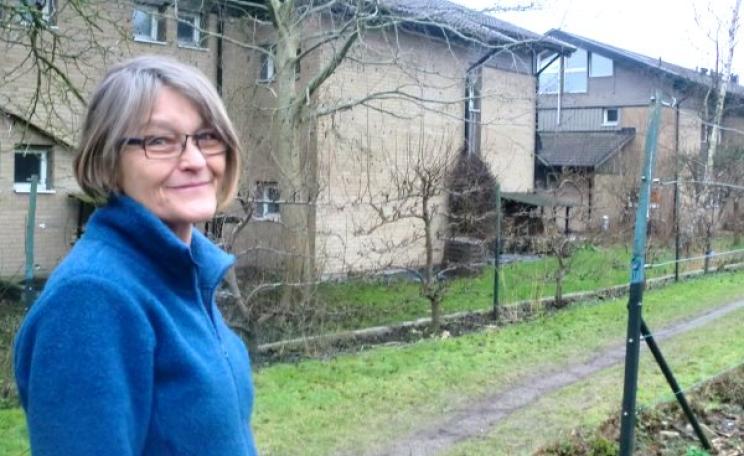
Solbyn, a sustainable community in southern Sweden, is a cold place to spend the winter, writes Gillian Thomas. But for all the snow outside, the well-insulated homes stay warm in the harshest conditions - and the welcome is warmer still. Come summer, there's an organic farm to nurture, but February is a month for friendship, making plans, and brilliant starry nights.
Montana legislators have brushed off the attempts of farmers, ranchers and landowners to effect 'zoning' regulations to protect them, their land, their water and their livestock from the toxic impacts of fracking. Now they say: 'See you in Court!'.
India's renewable power capacity is set to reach 170GW by 2022, write Areeba Hamid & Oliver Tickell - reducing power shortages and bringing electricity to off-grid of rural communities for the first time. But it may also have an unintended consequence - cutting off investment in India's troubled coal sector as prospects for future profitability evaporate..