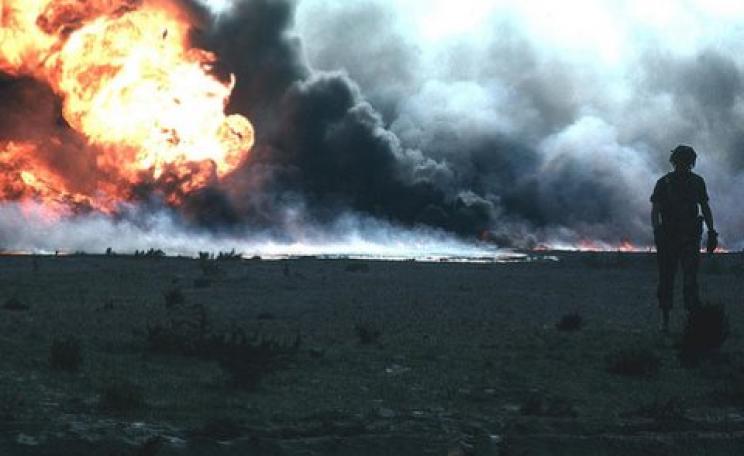
The global economic shake-down of low oil prices continues apace, writes Alexander Reid Ross, causing environmentalists to celebrate the collapse of dirty energy projects. But the oil price collapse is the manifestation of a multi-layered conflict being fought out on the political, military and ideological battlefields of the Middle East - and it may not last much longer.
Offshore wind turbines are trying to reproduce at sea what works on land, write Maurizio Collu & Michael Borg. But it's proving a costly and high maintenance exercise. It's time to switch to new 'vertical axis' designs that promise to be cheaper to build and operate.
Lord Ridley, a card-carrying member of Britain's 1%, led the Northern Rock bank to collapse. Now he's causing another kind of catastrophe: the coal mined off his Northumberland estate is causing 1% of the UK's CO2 emissions. No wonder he's a climate sceptic!
For the world's multinational corporations, the climate crisis is just another business opportunity, writes Philippa de Boissière. One example is Enel-Endesa's 'climate friendly' 217m high El Quimbo dam in Colombia - a huge exercise in expropriation at taxpayer expense, backed by police violence against strong local resistance.
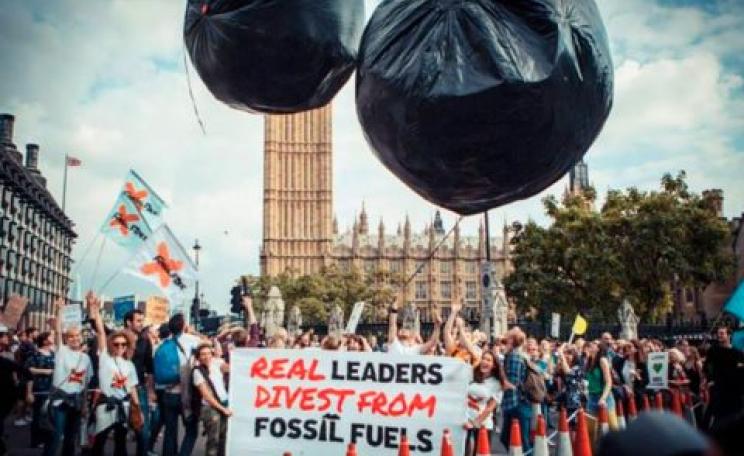
With 80% of the world's fossil fuel reserves 'unburnable' if the world is to meet its climate targets, writes Melanie Mattauch, the divestment movement is moving from strength to strength. As investor confidence in fossil energy ebbs away, 2015 is where the endgame for a dying industry begins.
The UK's financing of fossil fuels abroad increased tenfold in two years to exceed £1 billion in 2013 / 2014, writes Christine Ottery. Incredibly, the fossil fuel funding increase came after a government promise to use the money to support 'innovative and green technologies'.
Bangladesh's Sundarbans forest, home of incredibly rich biodiversity, is under unprecedented threat, writes ASMG Kibria. The recent oil tanker capsize on the Shela river puts the forest at risk of widespread biodiversity loss, but just this week, the authorities re-opened the Shela river to shipping with no restrictions on hazardous cargoes.
For the world to meet its climate goals, a third of the world's oil, half its gas and 80% of its coal must stay underground, writes Alex Kirby. And it's not us saying it - but scientists writing in the journal Nature.
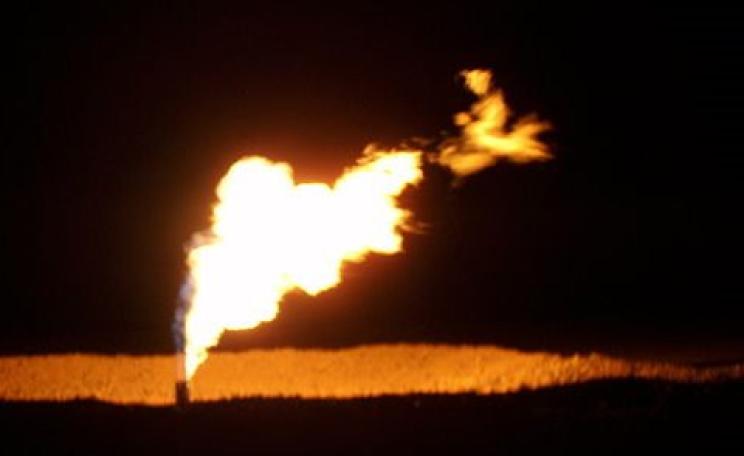
Low oil prices are putting a stop to some of the world's most environmentally damaging 'extreme energy' projects, writes Paul Mobbs, and may close down the entire fracking and tar sands industries. So why are so many 'Greens' issuing dire warnings, instead of celebrating the good news?
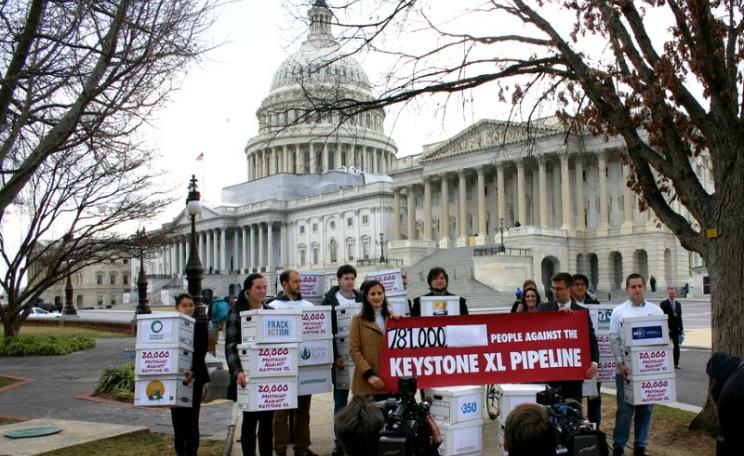
The US government is being sued for $15 billion for its cancellation of the Keystone XL tar sands pipeline last year in order to combat climate change. The legal challenge under NAFTA sends a warning to all countries contemplating similar 'free trade' agreements.
A massive oil spill in the oil-rich Niger Delta in 2008 has caused years of environmental and economic devastation. But only after legal action in London has Shell been forced to reveal the truth, admit liability, pay compensation, and begin the clean-up.
Increased production from US fracking operations is a major reason for the drop in oil prices, writes Kieran Cooke. But there are warnings that the industry now faces an existential crisis from which it may never recover, as the financial sector faces the prospect of worthless shares and $100s of billions of defaulted debt.
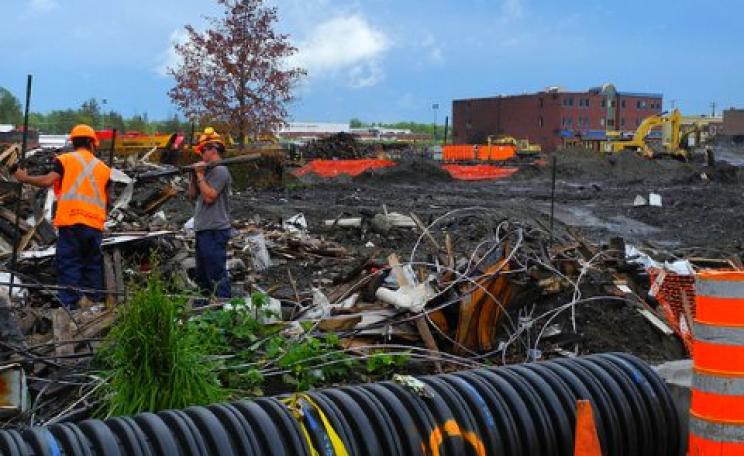
More than 25 million Americans live within an 'oil train blast zone', writes Ralph Nader. But as volumes of tar sands and shale oil carried by train soar, the oil cars identified as a 'substantial danger to life, property, and the environment' in 1991 remain in use. We must ban those dangerous railcars - and put an end to all 'extreme oil'.
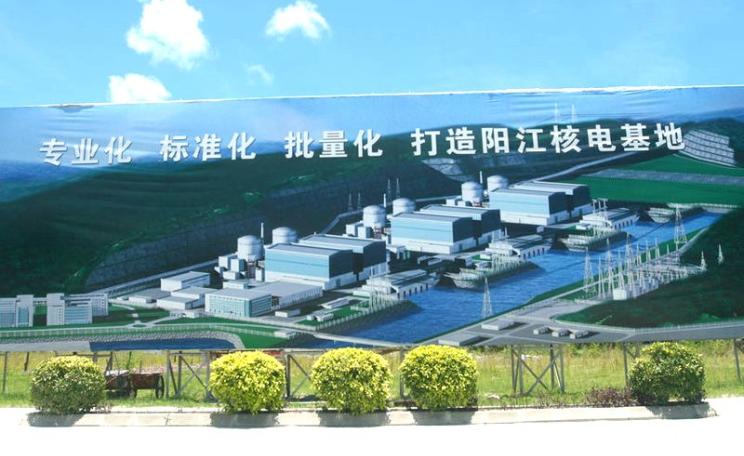
Nuclear advocates take hope from China's plan for 58GW of new nuclear capacity, writes Zhang Chun. But nuclear's share of China's power supply is in long term decline, and the target is likely to be missed as faster, cheaper, nimbler renewables surge ahead.
Beijing has called a halt to new coal mines and will close hundreds of existing operations, writes Kieran Cooke. The move reflects the slowing economy, falling energy demand, concerns over air pollution and climate change, and the massive rollout of renewables.