Australia is betting the farm on huge increases in coal exports, writes Stephen Bygrave - just as key markets in China, India, Korea and Japan are drying up, with rising tariffs and huge renewable energy and efficiency programs. The policy is totally out of touch with reality - and will lead to revenue shortfalls in the AU$100 billions.
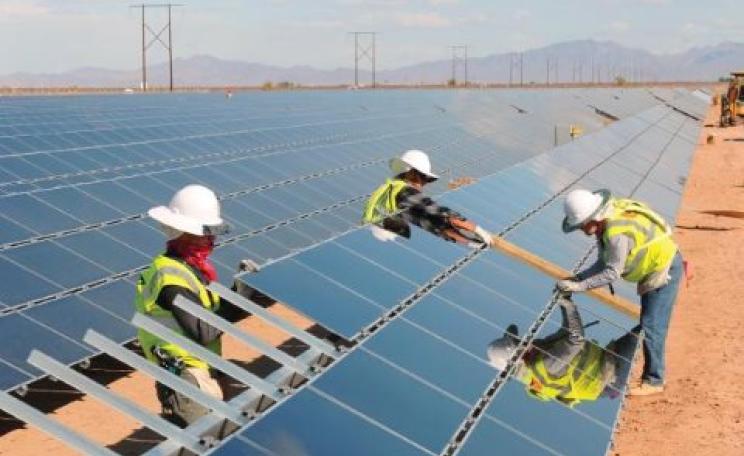
Small scale renewables are - almost un-noticed by policy makers - providing a quarter of the world's electricity, up from 10% in 2000, writes Morgan Saletta. Forget fracking and nuclear - this is the real energy revolution that's under way, and it's cutting big fossil fuel and centralised power grids out of the picture, while reducing emissions and delivering energy security and resilience.
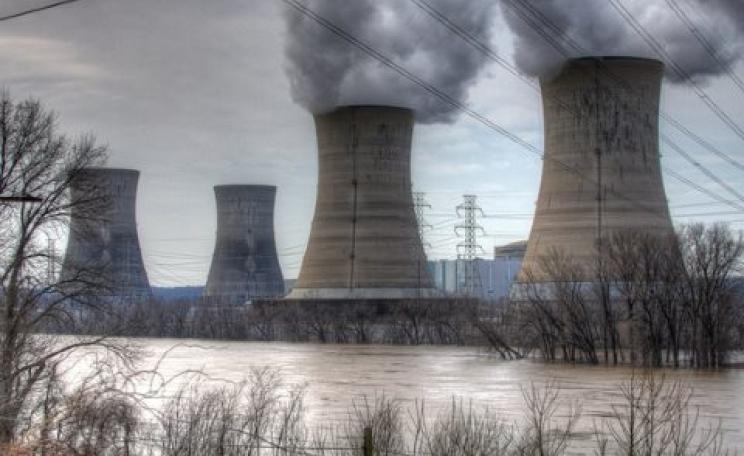
The EPA's plan for 'clean power' are welcome, writes Tim Judson - except for its inclusion of nuclear, and economic distortions and serious omissions that favour the technology. In this open letter to EPA Administrator Gina McCarthy, he and co-signatories call on her to ditch the 'false and irrational assumptions' used to justify both new and existing nuclear power.
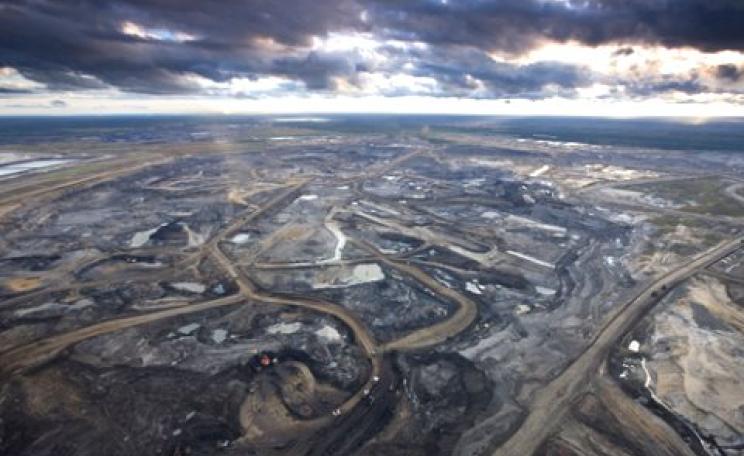
The exploitation of Canada's tar sands is more than just an environmental catastrophe, writes Gregory McGann. It's also an turning into an economic disaster, with massive investments at risk as falling oil prices leave the tar sands stranded.
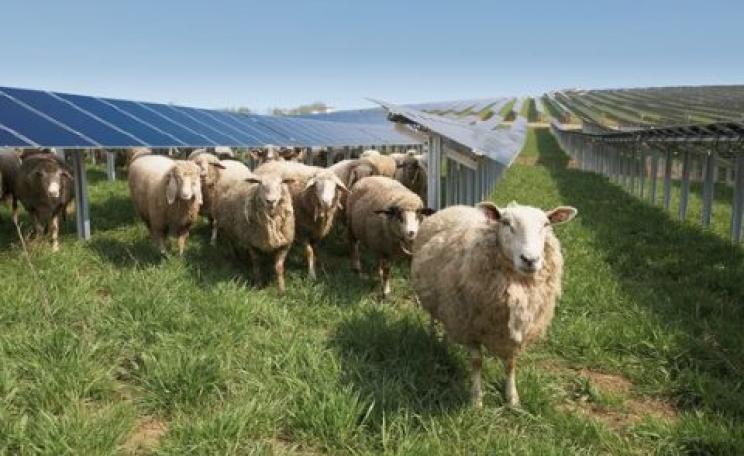
A new report shows that the UK's farms can easily generate as much power as the proposed Hinkley C nuclear plant, writes Jonathan Porritt. Not only would it all be renewable, but if could all be in place by 2020. Here he offers some friendly - but strictly confidential - advice for Energy Secretary Ed Davey.
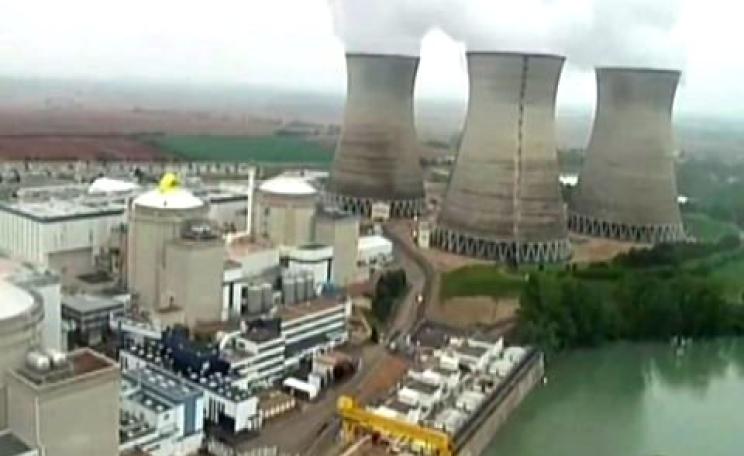
Doubts are growing doubts that the Hinkley C nuclear power station, the EU's biggest construction project, will get the final go-ahead from the UK government, writes Paul Brown. And that's leaving the European nuclear industry, already in serious financial difficulties, facing a struggle for survival.
The president of the World Bank has promised to back out of financing coal developments, and instead target its finance at 'every dimension of renewable energy' under a new climate-friendly strategy.
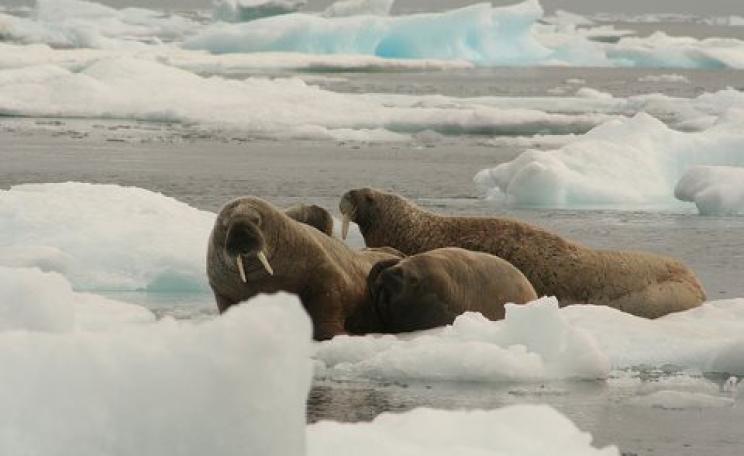
As the Arctic ice retreats, a fragile but resource-rich landscape replete with oil, minerals, fish and islands is opening up, writes Conn Hallinan. A new land-rush is on, and it could all lead to war. But it can be avoided provided states respect the rule of law and build on existing regimes of cooperation to protect the precious Arctic environment.
A London court has forced Shell to disclose documents about its pipelines and oils spills in Nigeria, writes Sarah Shoraka - and they reveal that the company has lied about the scale of oil spills in previous legal actions, and concealed the terminally poor condition of its pipelines.
Jim Ratcliffe of Ineos, Environment Secretary Liz Truss, the Environment Agency and its ex-boss Lord Smith all suffer from a blind spot, writes David Lowry - the dangers of fracking, its radioactive emissions and the toxic chemicals that threaten to pollute our aquifers. As for official advice that 'regulation needs to be strongly and robustly applied' - pass the Tippex!
Would UKIP be riding so high if voters knew of the party's links with powerful right-wing US corporate interests promoting fossil fuels, denying climate change, opposing gun control, and supporting big tobacco, teaching creationism in schools, healthcare privatisation and the lifting of nuclear power regulation? An Ecologist investigation exposes the real UKIP.
The Walton family, owners of Walmart and Asda, project a 'public environmentalism', writes Mike Gaworecki. But their real agenda is to advance a monopolistic corporate economic model that is threatened by decentralised energy solutions like rooftop solar. The answer? Exterminate!
EDF has already moved heavy earth moving gear onto the Hinkley C nuclear power station construction site, writes Doug Parr - but that doesn't mean it's a done deal. On the contrary, a host of intractable problems are coming home to roost, and the increasingly troubled project is looking shakier than ever.
With unidentified drones regularly overflying French nuclear power plants, Daniel Salisbury and Christopher Hobbs warn that despite the dismissive responses of nuclear operators, they have cause for concern: the drones may be unable to cause serious damage in themselves, but they compromise site security and open the way to future attacks.
The enabling bill for Keystone XL failed yesterday in the US Senate. Supported by all 45 Republican senators, it fell one vote short of the required 60-vote threshold. But the victory will be a temporary one, writes Alexander Reid Ross. The final battle can only be won by massive grassroots engagement and protest in communities across North America.