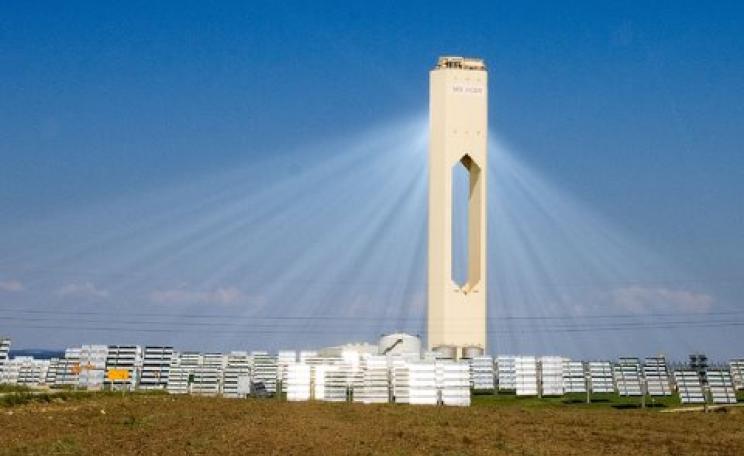
Keith Barnham's new book reveals the giddying and glorious plethora of the solar technologies that lie at the heart of the all-renewable energy system that awaits us, writes Jonathan Porritt - making it 'one of the most exciting and genuinely hopeful books' that I've read in a long time'.
Brazil's newly elected Dilma Rousseff is committed to completing the disastrous Belo Monte dam, writes Helle Abelvik-Lawson. Worse, she looks certain to press ahead with the industrialisation of the Amazon, with 61 hydroprojects in the pipeline. And new scientific findings about the massive climate impacts of tropical forest dams are not about to stop her.
Dilapidated nuclear waste storage ponds abandoned 40 years ago containing hundreds of tonnes of fuel rods pose an immediate danger to public safety, photographs sent to The Ecologist reveal. The fuel and sludge in the ponds could spontaneously ignite if exposed to air, spreading intense radiation over a wide area.
A new wave power generator has moved closer to reality after successful testing in simulated marine conditions. An array of the 1.5MW 'Searaser' devices could be deployed on Britain's coast within a few years.
Left wing governments across the Americas are faced with a dilemma, writes Daniel Macmillen - high social spending programs financed by income from destructive mining and hydrocarbon extraction - or a slower but sustainable development path that puts ecology, equity and justice first. Their answer - a constant pushing back of the resource frontier.
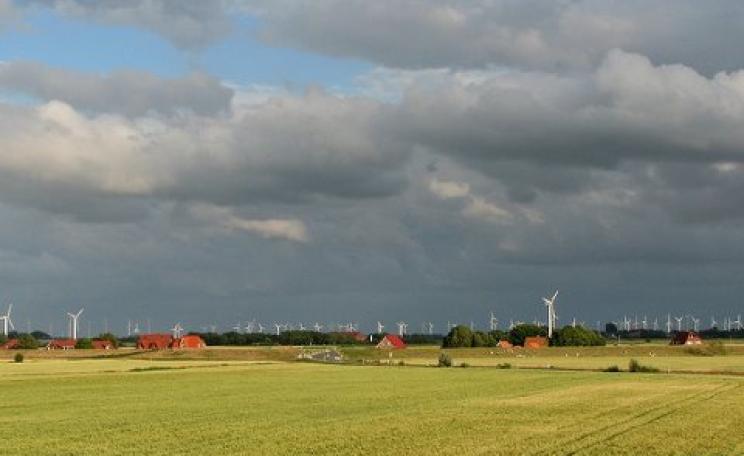
Germany's transition to a renewable power system is on track, writes Gert Brunekreeft. But it's costing households €218 a year in surcharges, causing voter enthusiasm to wane. That may be about to change though. The surcharge is about to fall, while targets stay the same - a sign that renewable energy costs may be falling faster than expected.
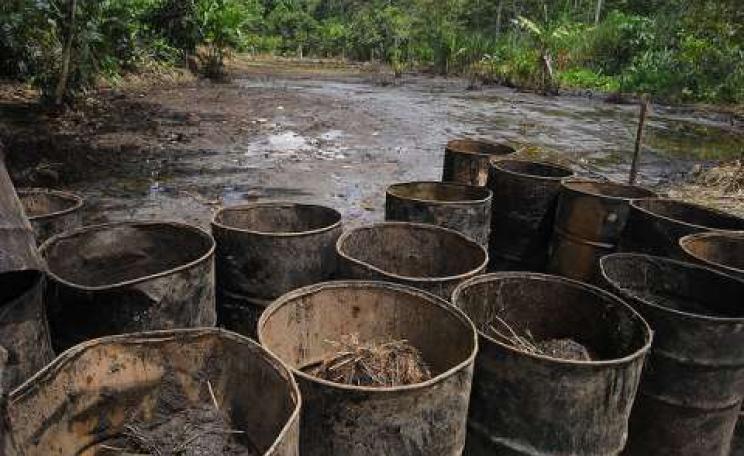
The oil and gas industry is disrupting communities and damaging ecosystems worldwide, writes David Poritz. Tough, independent social and environmental standards for the industry can bring urgently-needed improvements to company practices - even where government regulation has failed.
Fossil fuel companies are a risky investment thanks to the 2.8 trillion tonnes of 'unburnable' carbon in their reserves, writes Franklin Ginn. But there's an even stronger reason to support fossil fuel divestment: to erode their political power, which they use to block progress to a sustainable, low carbon future.
Floating over the US Southwest is a cloud of methane the size of Delaware, writes Mike G - reflecting the release of almost 600,000 tonnes of the powerful greenhouse gas every year. Its origins? Coalbed gas production, fracking and horizontal drilling.
Hinkley C's subsidy package may have won European Commission approval - but now it faces a National Audit Office 'value for money' investigation, following a demand from a powerful Parliamentary committee.
A full-scale rush for shale gas would increase emissions, writes Erik Bichard, giving the lie to politicians' claims that fracking is 'climate friendly'. A new study in Nature shows that abundant shale gas would cause CO2 emissions to rise by a median 4.5%. When 'fugitive' methane is included the figure rises to 9.5%.
Last night's speech on Britain's energy choices by former environment secretary Owen Paterson's caused widespread outrage long before it was delivered. But what exactly did he say on the night? Read on, and be surprised to discover that it makes excellent sense - in parts.
The UK Government promises that the Hinkley C 'EPR' nuclear reactor will lower electricity bills, but Keith Barnham shows that this is the very reverse of the truth. Our best hope is that it will never be built. Legal challenges aside, no sane investor will commit until one of the two EPR prototypes is working, which will be in 2016 at the earliest.
The first ever global life-cycle assessment of clean energy sources shows that a renewable system could supply the world's entire electricity needs by mid-century, writes Tim Radford.
Solar power could be producing over a quarter of the world's electricity within 35 years, according to the International Energy Agency. But in the US, Congress's failure to extend solar tax credits is causing projects to be withdrawn.