The war in Gaza is over - but with the territory in ruins, it's essential to build a just and durable peace, and restore essential public services: health, water, sewerage and above all electric power. Keith Barnham presents his plan for Gaza, based on a massive deployment of solar and wind power generation.
Politicians are forever citing 'terror' as a reason to expand the security state and restrict civil liberties, writes Paul Mobbs. But when it comes to the real threats that face the world - ecological breakdown, climate disruption, resource crises, and an unjust and rapacious world order ... well, that's all 'green crap'. Isn't it?
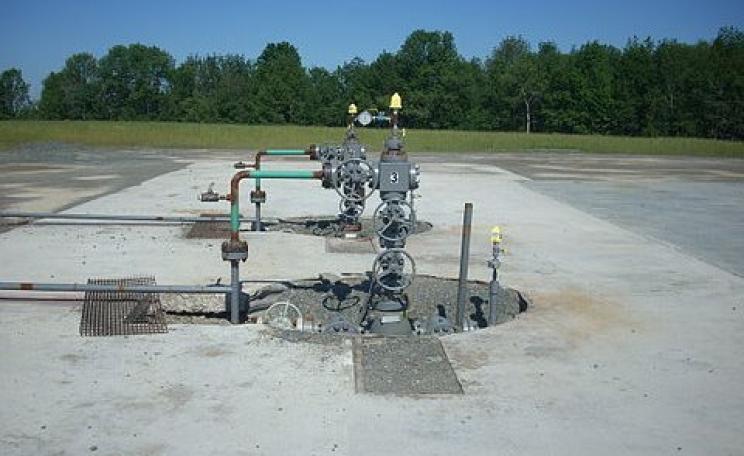
Natural gas is widely touted as a 'green fuel'. But as Paul Thacker found in Colorado, fracking's national 'ground zero', it's anything but. Lives and health are being ruined by pollution from taxpayer-subsidized gas wells, flaring and refining plants, while property values collapse. Now a mass of environmental refugees are fleeing the ravaged state.
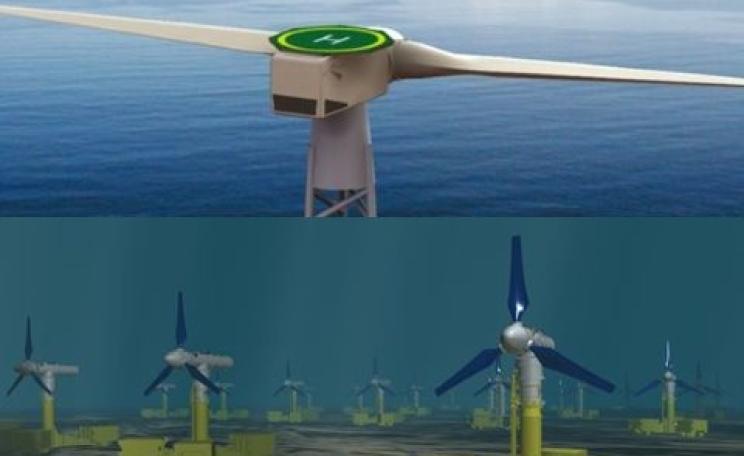
Two innovative renewable energy projects are moving forward in Scotland: Britain's first tidal power array, and the world's first deployment of two-bladed wind offshore turbines. The experimental technologies are hoped to achieve significant cost savings and unlock a huge offshore energy resource.
Liberal environmentalism represents a dangerous delusion, writes Scott Parkin - that 'playing nice' with Earth-destroying corporations and politicians can yield results worth having. Radical change on climate will only result from bold, confrontational direct actions against the fossil fuel industries and their apologists.
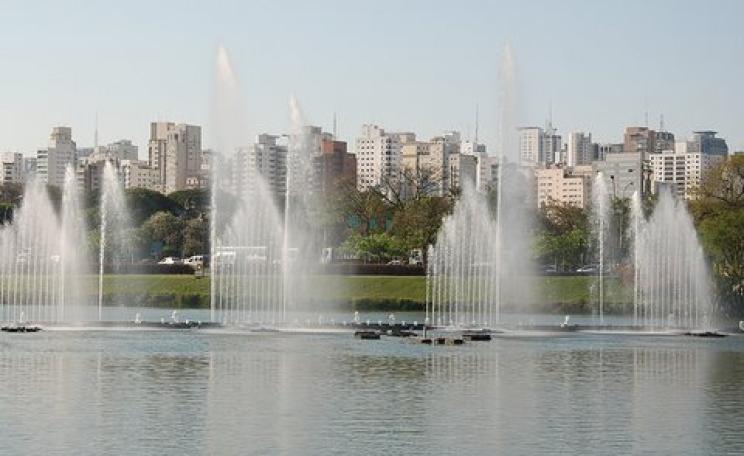
São Paulo, South America's biggest city, is suffering its worst drought in over a century, writes Jan Rocha, with rivers and reservoirs running dry. But the state's politicians are seeking re-election. And for them, it's as if nothing is happening - never mind that water and power cuts affecting millions are looking inevitable.
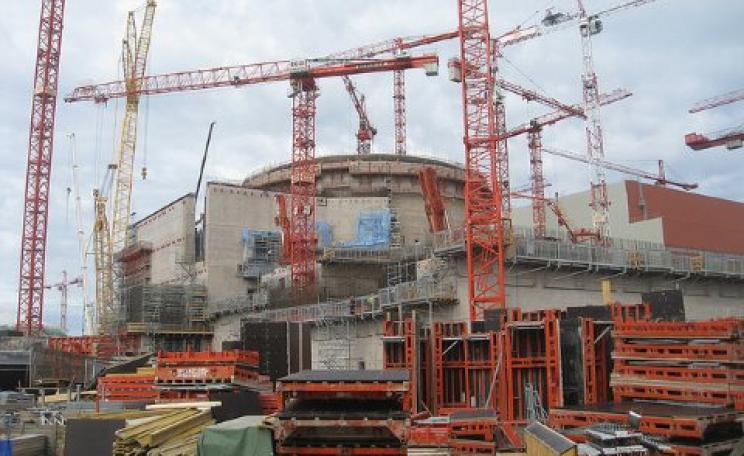
The World Nuclear Industry Status Report provides an account of an industry in decline, writes Jonathon Porritt - with rising operating costs and an ever-shrinking share of world energy production, while the sector loses the race for investment and new generating capacity to fast growing renewable energy technologies.
Climate change and tar sands activists opposing Keystone XL need to wake up to a new reality - the pipeline has already been eclipsed by rail transport which is both cheaper and more flexible, writes Justin Mikulka. The expanded production and export of tar sands oil just got a whole lot more likely.
Hydraulic fracturing is roaring ahead in the Canadian Arctic, writes Ed Struzik. Companies are competing to exploit the Northwest Territories' 2-3 billion barrels of shale oil, as the NWT government ignores calls from indigenous nations and scientists for a moratorium on fracking pending an open review of its impacts.
Scientists in the US have established that chemicals used in fracking to extract gas and oil could represent health and environmental hazards, writes Tim Radford. Among the greatest hazards: biocides and corrosion inhibitors.
Government energy policy is caught between apparently conflicting objectives, writes Mark Hackett. But there is a solution that is already working in the UK and abroad - to encourage the active participation of local authorities in delivering low carbon energy to the communities they serve.
When the US's biggest ever coal ash spill buried 300 acres of waterfront property in a white, middle class suburb, the waste was treated as a toxic hazard. But by the time it reached Uniontown, a black community in Alabama, that was all forgotten. Now they are fighting back.
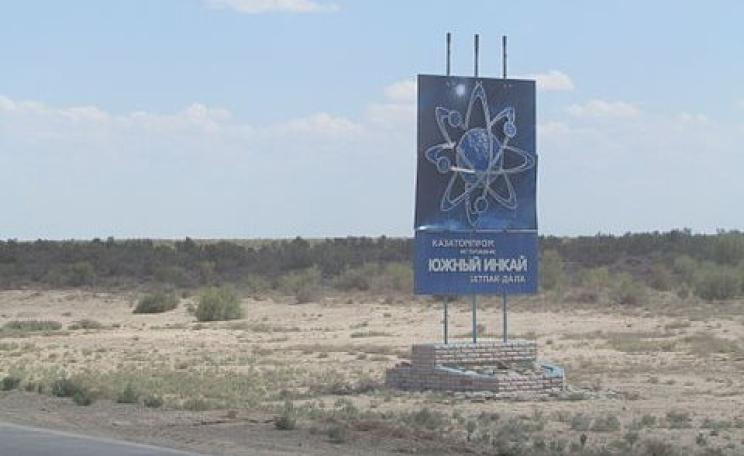
Russia has announced that it will build the first thermal nuclear power station in Kazakhstan, the world's largest uranium producer, writes Komila Nabiyeva. But where in that vast country will it be located? Who will own and operate it? How many reactors are planned? Who will get the power? And will it ever actually happen?
There is no better time to put the 'green' into building than at the outset of the design phase, writes Ryan Kohn. And to get it there we need to raise awareness of sustainable technologies, and offer incentives, rather than loop-holes, for developers. Buyers too must learn to appreciate the long term value of green ... and demand the highest standards.
The FCA is accused of undermining official policy by refusing new applications for community energy projects with a co-operative structure, writes Adam Vaughan. The key question: what is a bona fide co-op? Is investment alone a valid form of participation?