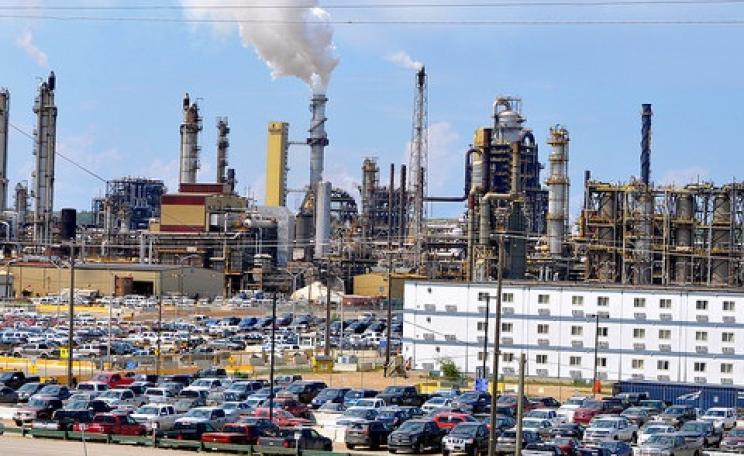
The US, long the world's biggest oil consumer, has just surpassed Saudi Arabia to become the world's top oil producer, writes Don Lieber. Oil exports to Europe and Asia will begin shortly. Now what was that Obama said about climate change? Oh, forget it ...
The UK has just opened a bidding round for fracking licences. But the rules contain only weak protections against fracking in National Parks and AONBs - and none at all for even the most important wildlife sites and drinking water aquifers.
Since the 1980s Cambodia has lost 84% of its primary forests, and the remote Cardamom mountains are the country's last great natural treasure, writes Rod Harbinson. Just the place for grandiose dam projects? 'No way!" say indigenous people and young eco-activists.
How did Germany do it? No, not its World Cup victory - how did Germany engineer Europe's highest penetration of renewable energy, plus fast-dropping electricity prices? Keith Barnham explains - and says the UK could do the same, and better!
Israel desperately covets Gaza's gas as a 'cheap stop-gap' yielding revenues of $6-7 billion a year, writes Nafeez Ahmed. The UK's BG and the US's Noble Energy are lined up to do the dirty work - but first Hamas must be 'uprooted' from Gaza, and Fatah bullied into cutting off its talks with Russia's Gazprom.
The EU's Fuel Quality Directive is set to be the first casualty of the TTIP trade talks, writes Derek Leahy. Canada and the US have threatened to pull out unless the EU ignores the massive emissions of oil from tar sands - and the EU is collapsing under the pressure.
A new report names the 30 biggest sources of greenhouse gases in the EU, writes Kieran Cooke. Coal-fired power plants are undermining Europe's long-term targets on emissions reductions - and the UK and Germany lead the list of shame.
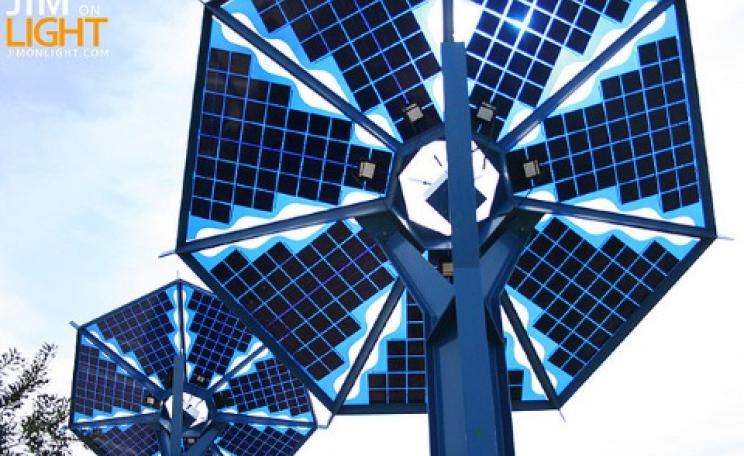
California and Texas continue to break new ground in making electricity generation from renewable sources, writes Mike G. Solar PV in particular has become a vital part of the US' energy mix, accounting for half of new generation capacity.
The recent closure of five US power stations is forcing the industry to confront big questions about radioactive waste, writes Paul Brown. Who is to pay the mounting costs of managing the wastes and keeping them secure? And precisely where will be their final resting place?
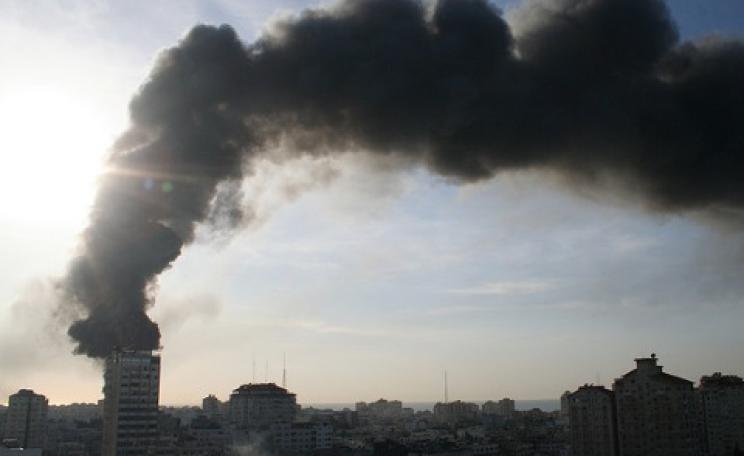
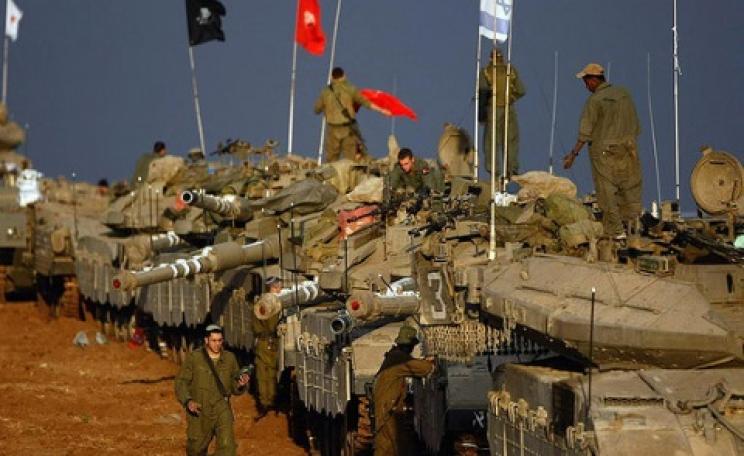
Never mind the 'war on terror' rhetoric, writes Nafeez Ahmed. The purpose of Israel's escalating assault on Gaza is to control the Territory's 1.4 trillion cubic feet of gas - and so keep Palestine poor and weak, gain massive export revenues, and avert its own domestic energy crisis.
Nuclear power advocates believe the technology is essential to building a fossil fuel free world energy system. In fact it is optional, writes David Elliott - and not even very helpful. Efficiency and the 'new renewables' can do the job faster, and at much lower cost.
The UK's conservative Daily Telegraph warns: investors in fossil fuels are 'throwing good money after bad', reports Nathan Wood, as renewable energy takes off leaving a potential $19 trillion of oil assets 'stranded'.
The devastating human impact of Syria's civil war may persist for decades to come as heavy metals and carcinogens in munitions end up in the environment, along with chemicals from destroyed industrial plants and stores. A long-term public health crisis is in the making.
Our current electricity system cannot accept much wind and solar power because they lack the 'inertia' of spinning turbines that stabilises grid voltage, writes Marek Kubik. But that's no reason to limit renewables - there are new, smart solutions ready for deployment.
If we're serious about cutting CO2 emissions, there's no place for nuclear power, writes Ian Fairlie - because it's the least cost-effective way to do it. By far the best way is to improve energy efficiency. But tell the Government the truth, and it'll close you down.