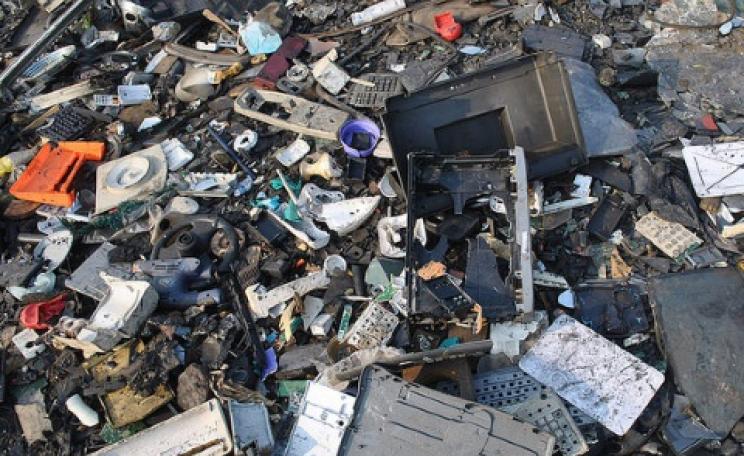
Campaigning has never been so easy - sign an Avaaz petition here, send an email there ... and the world is soon put to rights, no? No, writes Paul Mobbs. We must examine the impacts and implications of our e-life, from climate change to corporate dominance, and take control of the technologies we increasingly depend on.
How do we spur more microgrids powered by renewable energy? Deregulate, writes Bill Watkins, ending the monopolies enjoyed by centralized energy companies. The alternative is to keep consumers and micro-generators stuck with the energy equivalent of the 'Princess' phone.
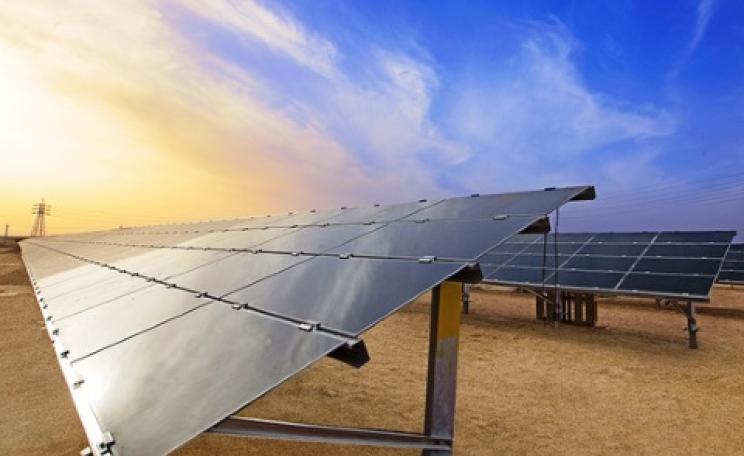
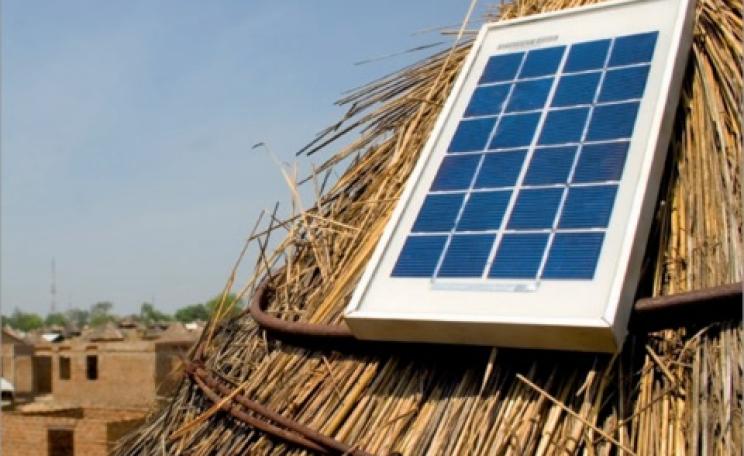
India's economy is hindered by the lack of sustainable and reliable electricity, writes Michael Jacob. But the new government has a plan to bring 24/7 power to every citizen, based on grid renewal, subsidy cuts, and a big rollout of ever-cheaper solar power generation.
Feed-in tariffs are a great way to kick start renewable technologies, writes Chris Goodall. But they suffer from a law of exponentially diminishing returns. It's time for governments to move to direct R&D funding to achieve the transformational changes the world needs.
What's the biggest threat to your life savings you've never heard of? Rebecca O'Connor shows how the world's exposure to unburnable carbon assets, and competition from clean energy technologies, could hammer your savings, pensions and investments.
Plans to crack down on endocrine disruptors and illegal timber were buried by the outgoing President of the European Commission, José Manuel Barroso and his secretary-general Catherine Day - while undermining action on climate, renewables and energy efficiency.
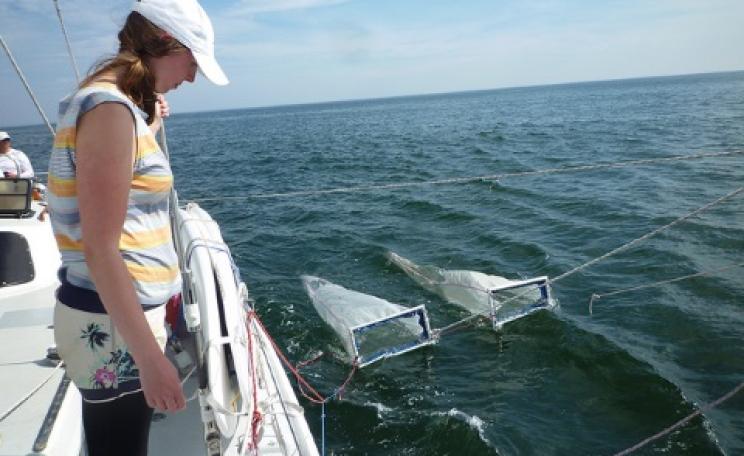
Plastic pollution in the oceans is impacting every level of marine life, writes Kate Rawles, from micro-plankton to whales. And here is your chance to do something about it - join a research expedition to the Azores next month to study the problem and develop solutions!
Among the risks of fracking are fragmentation of wildlife habitats, groundwater depletion, surface water pollution. The risks are compounded by a failure among companies and regulators to record or disclose essential information - from the chemicals used, to the time and place of toxic spills.
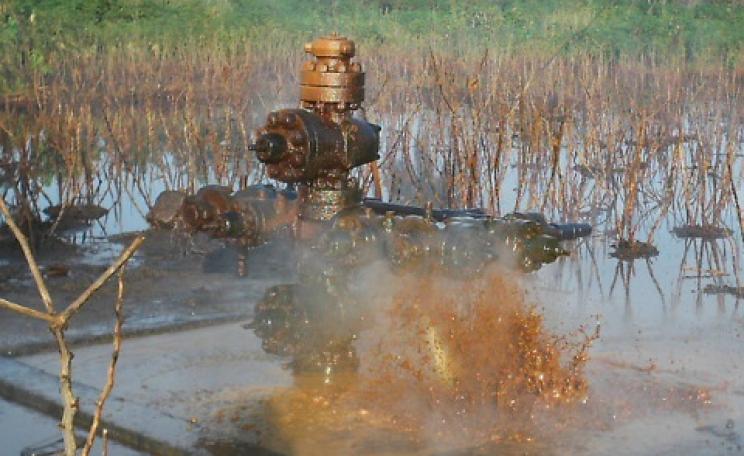
The systemic failure of the Nigerian government and oil giant Shell to clean up the horrendous oil pollution in the Niger Delta has been branded 'shameful' by a group of Nigerian and international NGOs.
The nuclear industry remains remarkably optimistic about its future, wrties Paul Brown - despite evidence that it is a shrinking source of power as renewables, in particular solar and wind power, compete with increasing success to fill the energy gap.
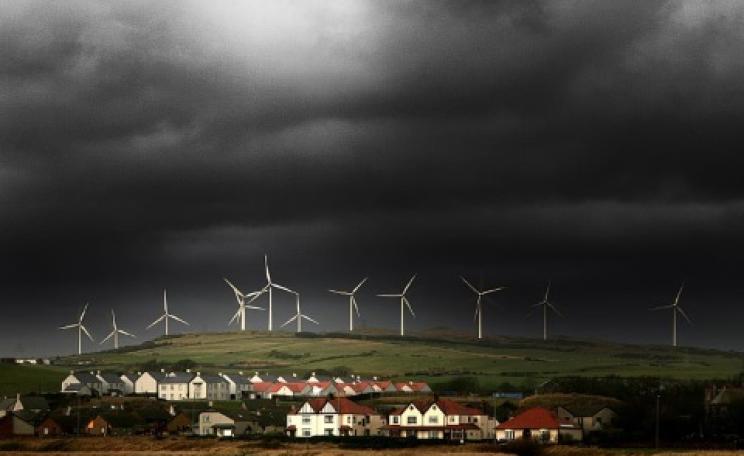
As the UK's electricity supply margins drop to new lows, the government's punitive approach to renewables will only make matters worse, write Peter Strachan & Alex Russell. Likewise its threats to boycott Scotland's wind power is utterly irrational - we will need it to keep our lights on.
Donors, NGOs and investors want to help grassroots sustainable energy enterprises grow, so they can bring the myriad benefits of clean and affordable energy to many more people, writes Emily Haves. But just what kind of support is needed?
As Israel pursues its war on Gaza with ever-increasing ferocity, and with 25% of Gaza's people forced from their homes, what's the final objective? It's unthinkable that Israel's aim is to 'cleanse' the territory of its people, seize its vast gas reserves, and annex some of the Med's hottest real estate. Isn't it?
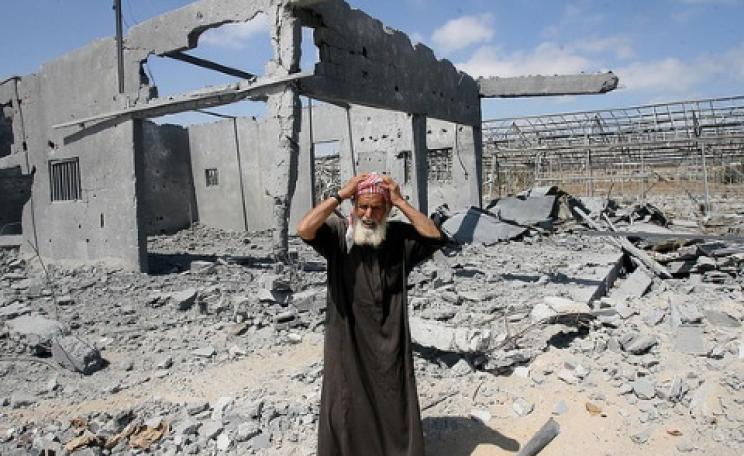
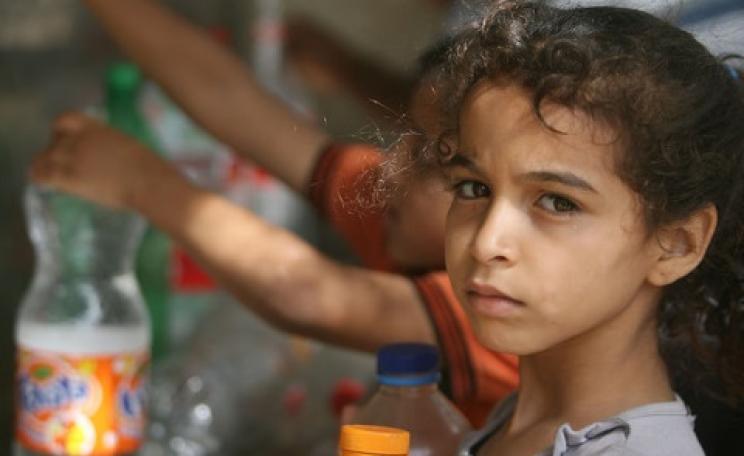
Israel's war on Gaza has seen the systematic and widespread destruction of civilian infrastructure essential for human survival, writes Luisa Gandolfo. This represents an apparently deliberate 'cutting off of life support' to those that survive the bombardment now under way.
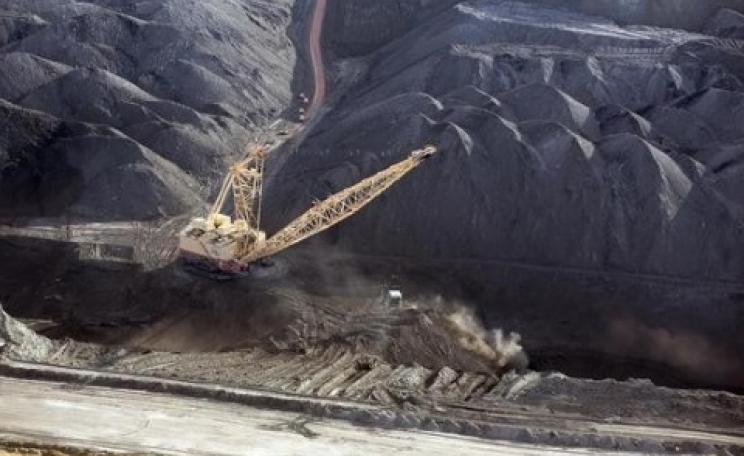
A massive expansion of coal leasing by the US's Bureau of Land Management will release tens of billions of tonnes of carbon to the atmosphere, a new Greenpeace report reveals - completely at odds with President Obama's stated climate objectives.