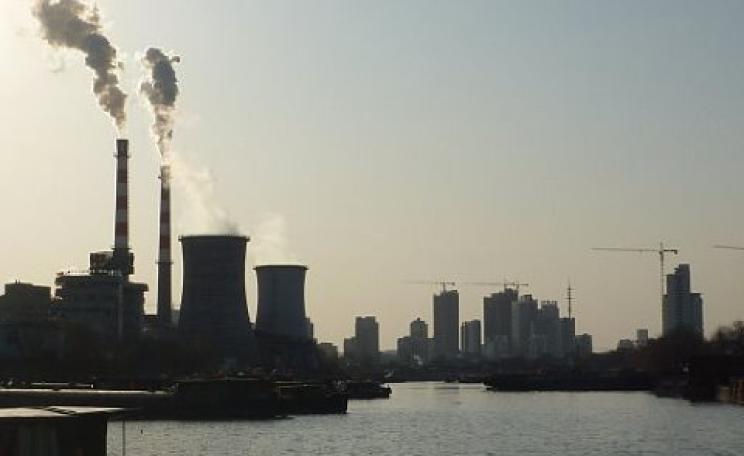
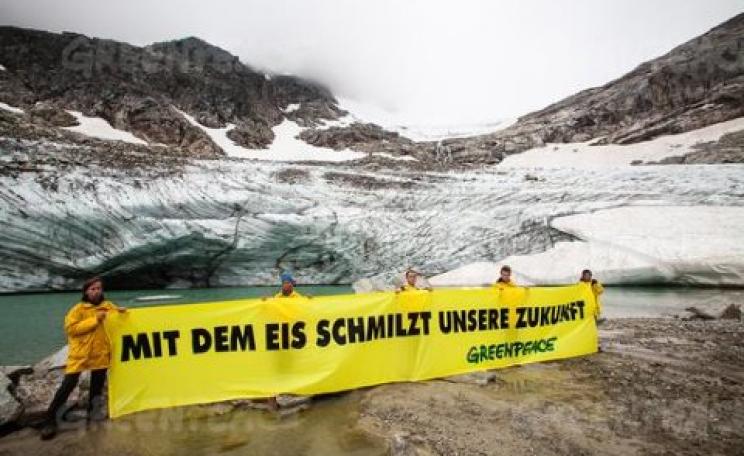
At the UN climate summit in New York today, institutional investors managing $24 trillion of assets are demanding stronger, more ambitious policies on climate change, writes Kieran Cooke. These include an effective carbon price and an end to fossil fuel subsidies.
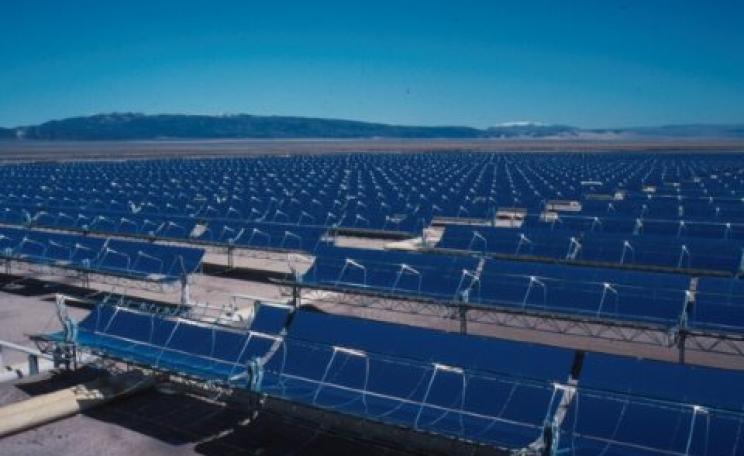
A report published ahead of tomorrow's UN Climate Summit shows that we can meet all our energy needs from renewables, writes Paul Brown - poor nations and prosperous, tiny islands and great cities, in any part of the globe. And some are doing it already ....
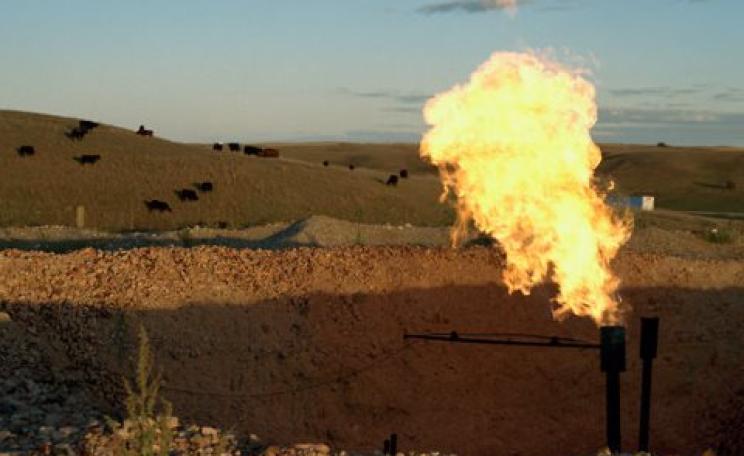
Gas flaring of natural at shale oil wells is carried out on such a scale in North Dakota and Texas that 'phantom cities' show up at night in satellite photos, writes Sharon Kelly. Billions of dollars worth of gas are going up in smoke, adding to CO2 emissions - but far worse for the climate is when the gas is 'vented'. Regulators are doing too little, too late.
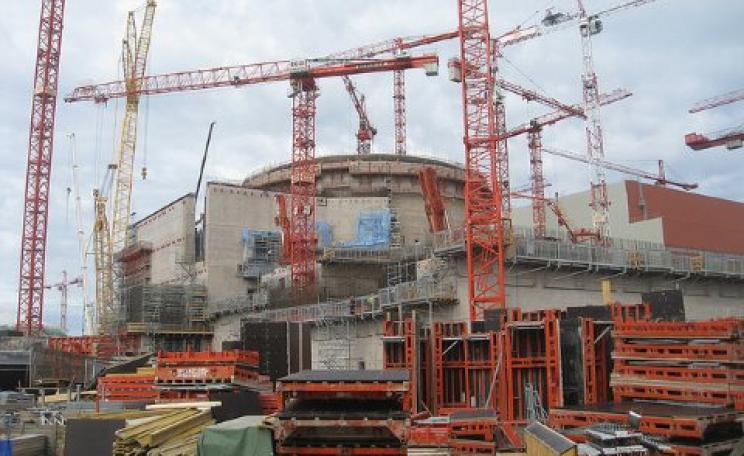
A review of the 66 nuclear reactors 'under construction' worldwide shows that 49 are running behind schedule, including all five in the US and most in China. The long and unpredictable build times of nuclear plants, and the extra costs that ensue, are a compelling reason not to depend on the technology for either power or to mitigate climate change.
Sanctions against Russian natural resource tycoons could be good for the environment, writes eco-campaigner Konstantin Rubakhin - if only they would target the right people. But so far, the EU has been turning a blind eye to powerful Kremlin insiders with an open licence to pollute and destroy.
Amid ongoing creative protests over BP's sponsorship of the British Museum, Danny Chivers wants to know - why the harsh security tactics? Why the searches, exclusions and arrests, all for a paltry 1% or less of the Museum's funding? Is this their policy, or is it BP that's calling the shots?
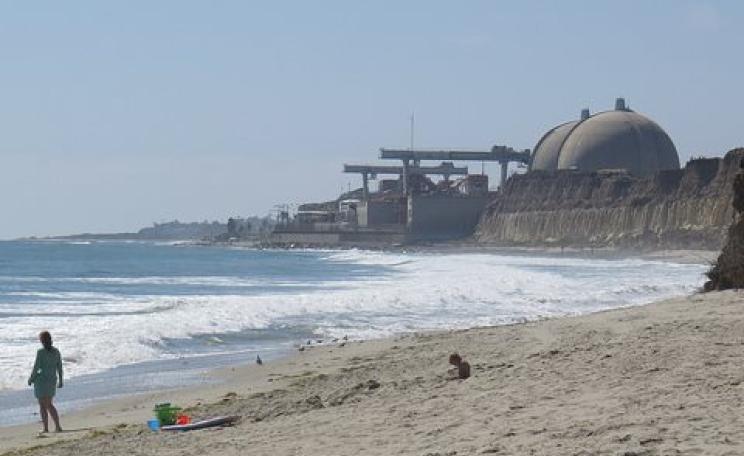
Nuclear power exists for one reason only, writes Ralph Nader - government support. Without the taxpayer subsidies, accident liability waivers and exploited consumers, nuclear power wouldn't exist. And even with all the above, it can barely hold on. It's time to end the nuclear boondoggle for once and for all.
There are hopeful signs that China, the world's biggest emitter of greenhouse gases, is becoming less reliant on the polluting coal that powered its rapid economic rise, writes Kieran Cooke. Great news for China, and the planet - but worrying for coal exporters!
We have a new European Commission - so what does it mean for the environment, GMOs and trade negotiations? Lawrence Woodward can't help feeling that the best part of the package is Commission President Juncker himself. Now, will his 'team' pull together and work to deliver his vision? We can't quite count on it.
The EU, nervous about disruption to gas supplies across an increasingly unstable Ukraine, is planning a European 'supergrid' linking all 28 member states to increase resilience, writes Paul Brown. The development will be a boon to renewable energy generation, and cut emissions from fossil fuels.
Ministers are determined to get fracking under way in the UK as fast as possible, so it's a 'fait accompli' in time for the election, writes Alex Stevenson. With a firm pro-fracking concensus in Parliament, only one thing can frustrate their plans - strong local campaigns to turn around MPs desperate for re-election in 2015. It even has a name: democracy.
Consumers around the world want their electricity to come from renewable sources, writes Paul Brown. Yet governments from the UK to Australia are defying the popular will as they push for fossil fuels and nuclear power. The good news? Renewable energy is surging ahead regardless.
The future of small island states has to be renewable, says Zaheer Allam. But that's only the first of many choices. It's just as important to develop energy networks that are diverse, resilient, adaptive and flexible - and avoid the centralised, unimodal models that investors and bureaucrats prefer to impose, often at huge long term cost.
Thanks to damage to coastal wetlands by the oil & gas industry, Louisiana is losing two acres to the sea an hour, writes Julie Dermansky. The companies are legally obliged to repair their damage - but they haven't and the cost has reached $50 billion. The answer? A Bill backed by the state governor to make them immune from lawsuits.
International polling today revealed strong public support for a formally protected area in the High Arctic for mammals and other marine life. The weakest support came from Japan, where opinion was evenly split over the industrialization of the Arctic.